Beauty-Scoring AI Faces a Science and Safety Reckoning
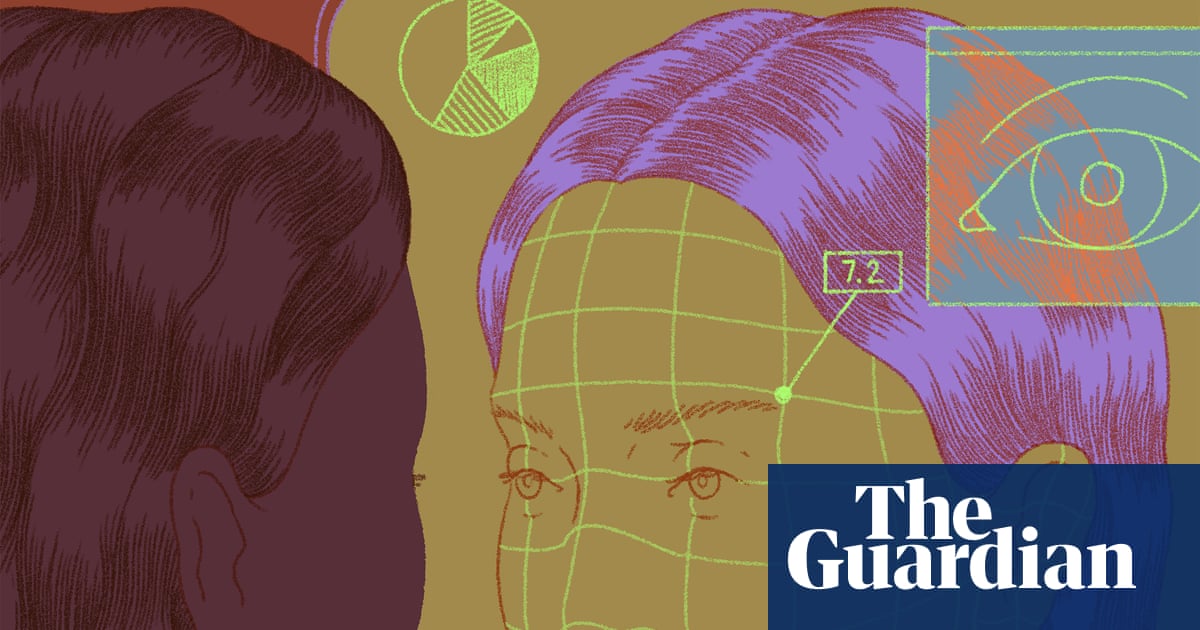
A cautionary case for anyone building computer vision that judges people’s appearance or behavior.
30-Second TL;DR
What Changed
Qoves provided a 30-page personalized facial analysis report after the user submitted selfies and paid $330.
Why It Matters
For AI practitioners, the story highlights the risks of deploying subjective computer-vision scoring systems in sensitive domains such as appearance, health, and self-image. Unvalidated outputs can cause psychological harm, create liability, and turn biased correlations into seemingly authoritative recommendations.
What To Do Next
Before shipping any facial-scoring feature, run subgroup bias and calibration tests with Fairlearn, and require documented human-reviewed evidence for every recommendation.
Key Points
- •Qoves provided a 30-page personalized facial analysis report after the user submitted selfies and paid $330.
- •The service presents beauty assessments and glow-up recommendations as science-backed, although experts dispute that foundation.
- •Facial-scoring tools may reinforce insecurity and encourage excessive cosmetic or medical procedures.
- •The trend is being amplified by TikTok content and the broader looksmaxxing movement.
Deep Insight
AI-generated analysis for this event — not the original article.
Enhanced Key Takeaways
- •Qoves Studio was founded by Dr. Dan Qoves, who utilizes a combination of anthropometric analysis and aesthetic theory to generate reports, distinguishing the service from purely automated AI-only platforms.
- •The 'looksmaxxing' subculture often utilizes Qoves reports as 'objective' evidence in online forums to justify surgical interventions, creating a feedback loop between AI-generated metrics and real-world cosmetic surgery demand.
- •Regulatory bodies and medical associations have increasingly scrutinized facial analysis tools for potential violations of medical advertising standards, particularly when they provide specific recommendations for clinical procedures.
- •Academic researchers have highlighted that these AI models are often trained on datasets that reflect Western-centric beauty standards, leading to algorithmic bias that penalizes non-Western facial features.
- •The business model has faced criticism for 'pathologizing' normal facial variation, where standard anatomical features are labeled as 'deficiencies' to drive the sale of cosmetic consultations or product recommendations.
Competitor Analysis
- Qoves Studio
- Anthropometric/Medical Aesthetic
- FaceShape
- Geometric Facial Analysis
- PinkMirror
- Automated Beauty Scoring
- Qoves Studio
- High ($300+)
- FaceShape
- Freemium/Low
- PinkMirror
- Low/Subscription
- Qoves Studio
- Expert-led/AI-assisted
- FaceShape
- Algorithmic/Geometric
- PinkMirror
- Deep Learning/Neural Nets
- Qoves Studio
- High (Surgical/Procedural)
- FaceShape
- Low (Educational)
- PinkMirror
- Low (Entertainment)
| Feature | Qoves Studio | FaceShape | PinkMirror |
|---|---|---|---|
| Primary Focus | Anthropometric/Medical Aesthetic | Geometric Facial Analysis | Automated Beauty Scoring |
| Pricing | High ($300+) | Freemium/Low | Low/Subscription |
| Methodology | Expert-led/AI-assisted | Algorithmic/Geometric | Deep Learning/Neural Nets |
| Clinical Focus | High (Surgical/Procedural) | Low (Educational) | Low (Entertainment) |
Technical Deep Dive
- Qoves utilizes a proprietary framework that integrates cephalometric analysis—a technique traditionally used in orthodontics and oral surgery—to measure facial proportions.
- The system maps facial landmarks using computer vision algorithms to calculate ratios such as the golden ratio, facial thirds, and horizontal fifths.
- Reports are generated by overlaying these geometric measurements onto the user's uploaded images to identify deviations from 'ideal' aesthetic norms.
- Unlike black-box AI, the company claims to use a 'hybrid' approach where human practitioners verify or adjust the automated measurements before the final report is issued.
Future ImplicationsAI analysis grounded in cited sources
Timeline
- 2020-05Qoves Studio begins publishing educational content on facial aesthetics and anthropometry on YouTube.
- 2021-11Qoves launches its formal facial assessment service, transitioning from content creation to personalized consulting.
- 2023-08The 'looksmaxxing' trend gains significant mainstream traction on TikTok, leading to a surge in demand for Qoves-style analysis.
- 2025-02Increased public and media scrutiny begins regarding the psychological impact of AI-driven beauty metrics on younger demographics.
Weekly AI Recap
Read this week's curated digest of top AI events →
Related Updates


AI-curated news aggregator. All content rights belong to original publishers.
Original source: The Guardian Technology ↗
This is a summary, not the original. Read the source, or get the weekly briefing.
The weekly digest
One email a week. Unsubscribe anytime.