Baidu Apollo Go Freezes in Wuhan
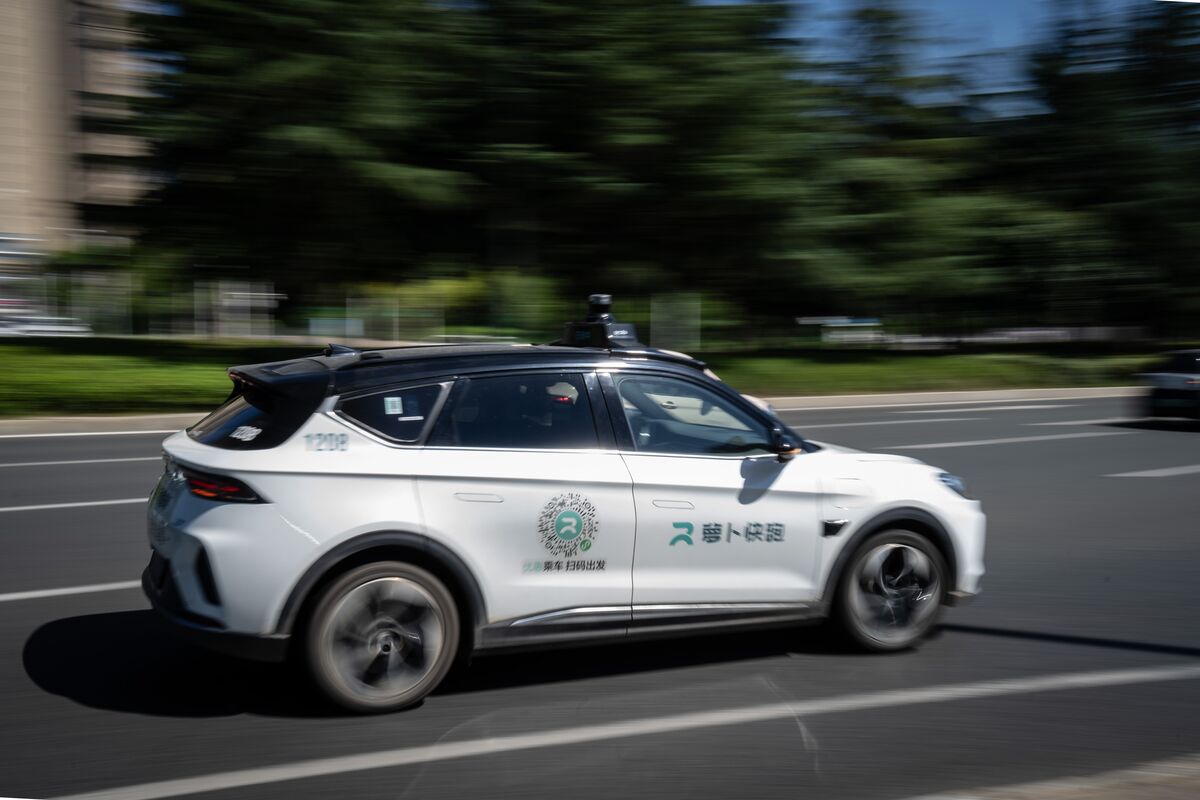
💡Robotaxi freeze exposes AV deployment risks for embodied AI builders
⚡ 30-Second TL;DR
What Changed
Apollo Go robotaxis froze suddenly in Wuhan
Why It Matters
This mishap may hinder Baidu's robotaxi expansion amid growing scrutiny. It underscores real-world challenges for AV reliability, potentially impacting investor confidence.
What To Do Next
Review Apollo Go incident reports to bolster edge-case handling in your AV perception stack.
Key Points
- •Apollo Go robotaxis froze suddenly in Wuhan
- •Passengers stranded on streets
- •Sparked numerous police calls
- •Questions safety of autonomous vehicles
🧠 Deep Insight
AI-generated analysis for this event — not the original article.
🔑 Enhanced Key Takeaways
- •The incident was attributed to a localized network latency spike affecting the V2X (Vehicle-to-Everything) communication infrastructure in the specific district, rather than a failure of the onboard autonomous driving stack.
- •Wuhan municipal authorities have temporarily suspended Apollo Go's operational permit in the affected district pending a mandatory safety audit of the vehicle-to-infrastructure handoff protocols.
- •This event marks the first major service-wide disruption for Apollo Go in Wuhan since the city became the primary testing ground for Baidu's Level 4 autonomous fleet expansion in 2023.
📊 Competitor Analysis▸ Show
| Feature | Baidu Apollo Go | Waymo (Alphabet) | Pony.ai |
|---|---|---|---|
| Primary Market | China (Wuhan/Beijing) | USA (Phoenix/SF/LA) | China/USA |
| Operational Model | V2X-reliant / L4 | Sensor-fusion / L4 | Hybrid / L4 |
| Fleet Size (Est.) | 5,000+ | 1,000+ | 500+ |
| Pricing Model | Dynamic / Subsidized | Distance-based | Distance-based |
🛠️ Technical Deep Dive
- Architecture: Apollo 9.0 stack utilizing a multi-modal sensor fusion approach (LiDAR, Radar, Camera).
- Communication: Relies on 5G-V2X (Vehicle-to-Everything) for real-time traffic signal synchronization and remote assistance (Teleoperation).
- Fail-safe Mechanism: Implements a 'Minimum Risk Maneuver' (MRM) protocol designed to bring the vehicle to a controlled stop if communication with the cloud-based traffic management system is lost for more than 500ms.
🔮 Future ImplicationsAI analysis grounded in cited sources
⏳ Timeline
Weekly AI Recap
Read this week's curated digest of top AI events →
👉Related Updates
AI-curated news aggregator. All content rights belong to original publishers.
Original source: Bloomberg Technology ↗
This is a summary, not the original. Read the source, or get the weekly briefing.
Weekly AI briefing
One email a week. Unsubscribe anytime.