Autonomous Heavy Trucks' iPhone Moment Arrives
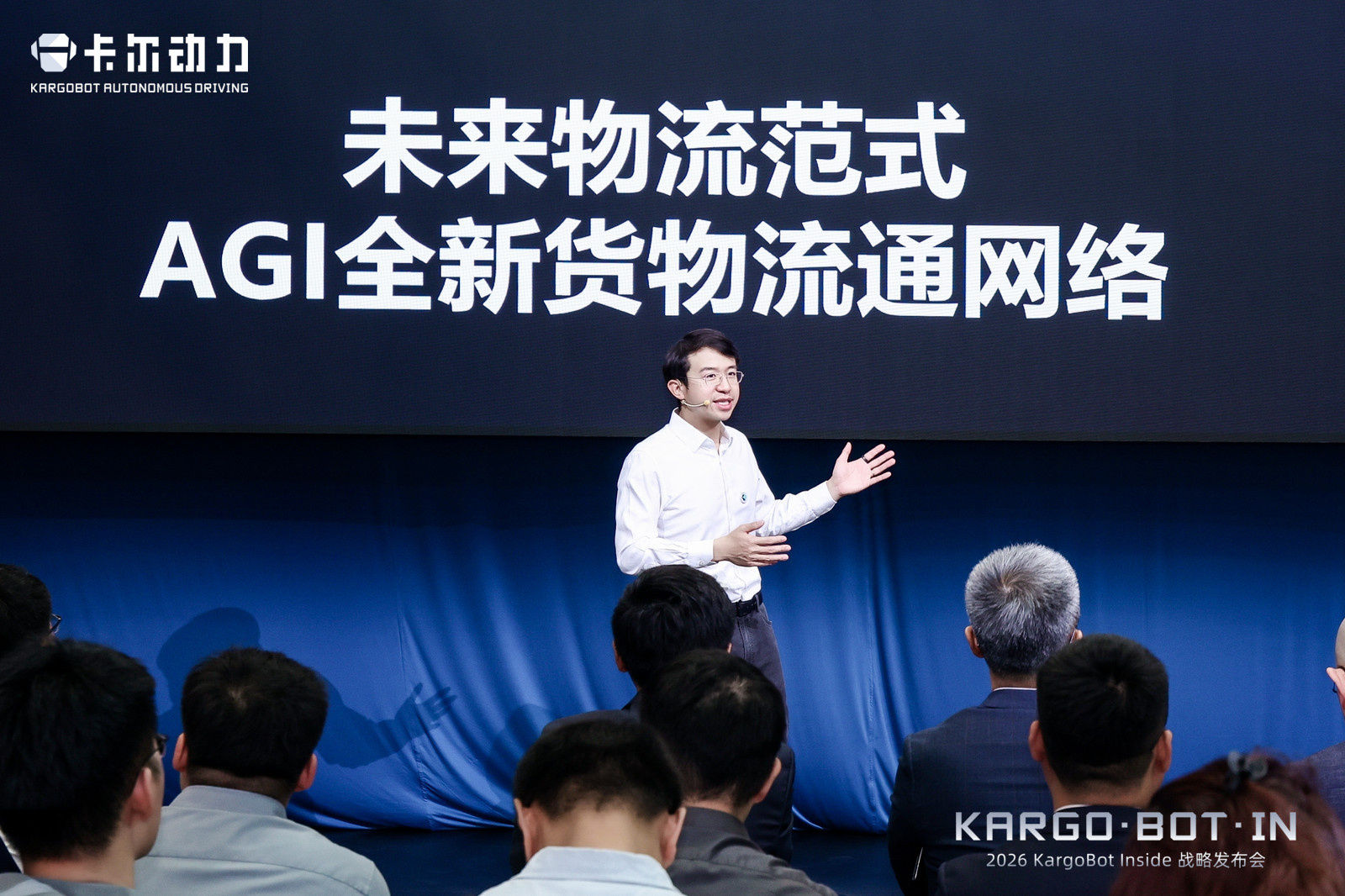
💡AI-robotics fusion accelerates autonomous trucking infra – iPhone moment hits!
⚡ 30-Second TL;DR
What Changed
Autonomous heavy trucks reach pivotal 'iPhone moment' milestone.
Why It Matters
This signals a transformative shift in logistics, potentially reducing costs and improving efficiency via AI autonomy. AI practitioners in robotics and infrastructure can expect new opportunities in heavy-duty applications.
What To Do Next
Evaluate open-source AI frameworks for heavy truck perception models.
Key Points
- •Autonomous heavy trucks reach pivotal 'iPhone moment' milestone.
- •Future transport relies on AI, robots, and open ecosystems.
- •Rapid acceleration of AI-driven transportation infrastructure.
🧠 Deep Insight
AI-generated analysis for this event — not the original article.
🔑 Enhanced Key Takeaways
- •The 'iPhone moment' refers to the transition from L2+ driver-assist systems to L4 commercial deployment, characterized by the integration of end-to-end large models that replace traditional modular software stacks.
- •Economic viability has shifted due to the maturation of 'driver-out' business models, where the reduction in labor costs and fuel efficiency gains through AI-optimized platooning now offset the high initial sensor suite costs.
- •Regulatory frameworks in key markets have evolved to allow for 'hub-to-hub' autonomous freight operations, moving beyond restricted testing zones to active commercial corridors.
📊 Competitor Analysis▸ Show
| Feature | Plus (PlusDrive) | Aurora Innovation (Aurora Horizon) | Kodiak Robotics |
|---|---|---|---|
| Core Tech | End-to-end AI / Modular | FirstLight Lidar / Aurora Driver | Modular / Sensor Pods |
| Business Model | OEM Partnership / Software | Trucking-as-a-Service | Trucking-as-a-Service |
| Operational Status | Commercial L2+/L4 testing | Commercial L4 pilot | Commercial L4 pilot |
🛠️ Technical Deep Dive
- Transition to End-to-End (E2E) Neural Networks: Replacing hand-coded rules with transformer-based architectures that map sensor input directly to control outputs.
- Sensor Fusion Evolution: Shift from heavy reliance on high-cost LiDAR to multi-modal fusion incorporating high-resolution 4D imaging radar and long-range cameras for better weather resilience.
- Compute Architecture: Deployment of centralized, automotive-grade AI supercomputers (e.g., NVIDIA DRIVE Thor or equivalent) capable of handling 1000+ TOPS for real-time perception and planning.
- V2X Integration: Implementation of low-latency 5G-Advanced protocols for vehicle-to-infrastructure communication to optimize traffic flow and safety at highway interchanges.
🔮 Future ImplicationsAI analysis grounded in cited sources
⏳ Timeline
Weekly AI Recap
Read this week's curated digest of top AI events →
👉Related Updates



AI-curated news aggregator. All content rights belong to original publishers.
Original source: 钛媒体 ↗
This is a summary, not the original. Read the source, or get the weekly briefing.
The weekly digest
One email a week. Unsubscribe anytime.