Autonomous-Driving Blue Lights Face Major Rectification
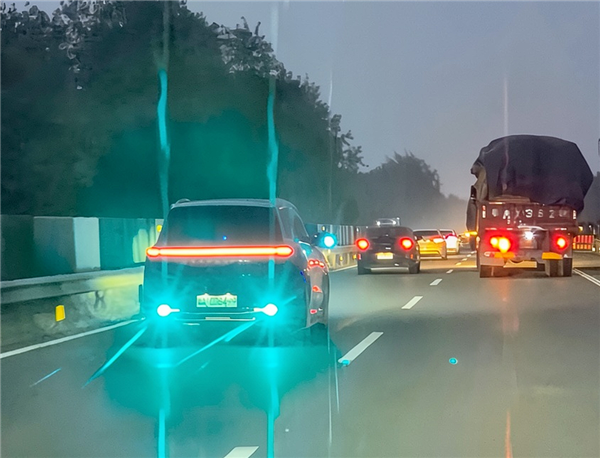
💡A possible regulatory reset could change how autonomous-driving systems signal their operating status.
⚡ 30-Second TL;DR
What Changed
The reported plan targets blue lights associated with intelligent-driving functions.
Why It Matters
If confirmed, the policy could force automakers to redesign vehicle signaling, user interfaces, and compliance workflows for assisted-driving features. It may also affect how developers communicate the operational status and limitations of autonomous-driving systems.
What To Do Next
Audit your autonomous-driving HMI and compliance requirements to identify any reliance on external visual indicators that may lack regulatory standardization.
Key Points
- •The reported plan targets blue lights associated with intelligent-driving functions.
- •Proposed measures reportedly include recalls, prohibition, physical removal, and cancellation.
- •Mercedes-Benz introduced the concept, while Li Auto and other automakers later adopted similar designs.
- •The report highlights the absence of unified industry standards for these indicators.
🧠 Deep Insight
AI-generated analysis for this event.
🔑 Enhanced Key Takeaways
- •The blue light indicators were originally approved by regulatory bodies in specific jurisdictions, such as Nevada and California, for Mercedes-Benz's Drive Pilot system to signal Level 3 autonomous operation.
- •Chinese regulatory authorities, specifically the Ministry of Industry and Information Technology (MIIT), have expressed concerns that non-standard light colors could confuse other drivers and emergency services.
- •The rectification effort is part of a broader push by Chinese regulators to standardize vehicle exterior lighting to align with international GB standards, which currently do not permit blue indicators for consumer vehicles.
- •Industry experts suggest that if a mandatory removal is enforced, automakers may pivot to using digital dashboard notifications or haptic feedback to communicate autonomous status to external observers.
- •The controversy has sparked a debate regarding the 'right to innovate' versus 'regulatory safety' in the Chinese EV market, as companies like Li Auto utilized these lights to differentiate their high-end intelligent driving models.
📊 Competitor Analysis▸ Show
| Feature | Mercedes-Benz (Drive Pilot) | Li Auto (AD Max) | Tesla (FSD) |
|---|---|---|---|
| Indicator Color | Turquoise (Blue-Green) | Blue | N/A (Visual only) |
| Regulatory Status | Approved in select US states | Under scrutiny in China | N/A |
| Primary Function | Level 3 Autonomous Status | Intelligent Driving Active | N/A |
🛠️ Technical Deep Dive
- The turquoise light implementation on Mercedes-Benz vehicles operates on a specific wavelength (approx. 490nm) to distinguish it from standard blue emergency vehicle lights.
- Integration typically involves the vehicle's CAN bus system, where the autonomous driving control unit (ADCU) sends a signal to the exterior lighting control module.
- The hardware often utilizes high-intensity LEDs integrated into the headlamp assemblies or side mirror housings, requiring dedicated wiring harnesses and software logic to prevent activation during manual driving modes.
🔮 Future ImplicationsAI analysis grounded in cited sources
⏳ Timeline
Weekly AI Recap
Read this week's curated digest of top AI events →
👉Related Updates

AI-curated news aggregator. All content rights belong to original publishers.
Original source: cnBeta (Full RSS) ↗