Autonomous Driving Heads to 2030 Boom
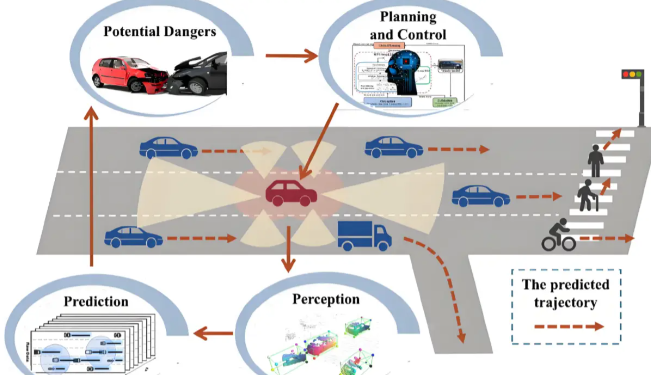
💡AV commercialization & rules shift to 2030—must-know for robotics devs
⚡ 30-Second TL;DR
What Changed
Commercialization push targeting 2030
Why It Matters
Accelerated AV adoption could reshape urban mobility and create opportunities for AI integration in robotics.
What To Do Next
Assess 2030 AV regulations for your embodied AI robotaxi prototypes.
Key Points
- •Commercialization push targeting 2030
- •Regulatory frameworks being reconstructed
- •Unstoppable momentum in AV development
- •Rising business waves in sector
🧠 Deep Insight
Background and context from public sources — not the original article. 7 sources cited.
🔑 Enhanced Key Takeaways
- •Industry surveys in 2025 show commercialization timelines for Level 4 autonomous driving delayed by 1-2 years on average compared to 2023 forecasts, with global large-scale promotion now expected around 2030.[1]
- •China and the US lead autonomous vehicle commercialization due to faster development, capital ecosystems, and regulatory support, while other regions lag by 3-7 years.[1]
- •China projected to equip 60% of passenger cars with smart driving functions by 2030, accounting for half of global smart-driving market volume.[4]
- •Autonomous trucks expected to comprise up to 30% of new US truck sales by 2035, with slower adoption in Europe due to border challenges.[5]
- •Global autonomous vehicles market forecasted to grow from US$69.5Bn in 2026 to US$103.8Bn by 2033, driven by AI and sensor advancements.[6]
🔮 Future ImplicationsAI analysis grounded in cited sources
📎 Sources (7)
Factual claims are grounded in the sources below. Forward-looking analysis is AI-generated interpretation.
Weekly AI Recap
Read this week's curated digest of top AI events →
👉Related Updates


AI-curated news aggregator. All content rights belong to original publishers.
Original source: 钛媒体 ↗
This is a summary, not the original. Read the source, or get the weekly briefing.
Weekly AI briefing
One email a week. Unsubscribe anytime.