Australia's Datacentre Boom Faces Environmental Scrutiny
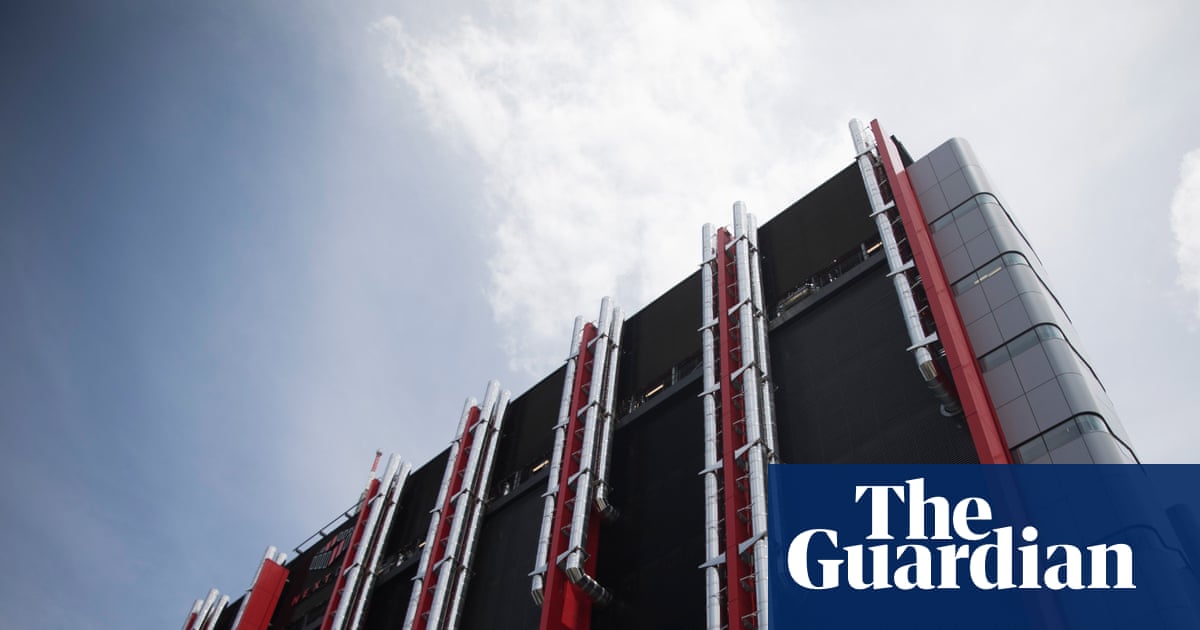
Understand the growing environmental and regulatory risks impacting the future of AI infrastructure development.
30-Second TL;DR
What Changed
Proposed 52-hectare hyperscale datacentre in Sydney's western suburbs.
Why It Matters
The increasing environmental footprint of datacentres may lead to stricter regulatory hurdles for AI infrastructure projects. Companies should anticipate higher operational costs related to sustainability compliance.
What To Do Next
Evaluate your cloud provider's sustainability report and PUE (Power Usage Effectiveness) metrics to assess your project's environmental footprint.
Key Points
- •Proposed 52-hectare hyperscale datacentre in Sydney's western suburbs.
- •Infrastructure includes 936 cooling units and 852 diesel backup generators.
- •Concerns raised regarding high water consumption and power demands.
- •Debate over the limited number of operational jobs created by such facilities.
Deep Insight
AI-generated analysis for this event — not the original article.
Enhanced Key Takeaways
- •The project is being spearheaded by a major global hyperscaler, with local planning authorities citing the 'critical infrastructure' designation as a primary driver for fast-tracking approvals despite community opposition.
- •Local environmental groups have specifically highlighted the risk to the Western Sydney Parklands, noting that the site's heat island effect could increase local temperatures by up to 2 degrees Celsius.
- •The facility's water cooling system is projected to consume approximately 1.2 million liters of potable water daily, raising concerns about strain on Sydney's drought-prone water supply.
- •Energy grid operators have warned that the facility's peak load requirements represent nearly 3% of New South Wales' total current generation capacity, necessitating significant upgrades to local transmission lines.
- •State government discussions are underway regarding the implementation of a 'Digital Infrastructure Levy' to offset the environmental and social costs imposed by large-scale data centers on local municipalities.
Technical Deep Dive
- Cooling System: Closed-loop evaporative cooling towers utilizing treated recycled water where possible, supplemented by high-capacity chiller plants.
- Power Architecture: Dual-feed 132kV substation connection to the Ausgrid network with N+2 redundancy for critical power paths.
- Backup Power: 852 diesel generators configured for N+1 redundancy, equipped with selective catalytic reduction (SCR) systems to mitigate NOx emissions.
- Energy Efficiency: Targeted Power Usage Effectiveness (PUE) of 1.15 at full load, utilizing AI-driven workload balancing to optimize server utilization and thermal management.
Future ImplicationsAI analysis grounded in cited sources
Timeline
- 2025-03Initial site acquisition and preliminary environmental scoping report filed.
- 2025-09State government designates the project as 'State Significant Development'.
- 2026-02Public exhibition period for the Environmental Impact Statement (EIS) concludes with record-high community submissions.
Weekly AI Recap
Read this week's curated digest of top AI events →
Related Updates

AI-curated news aggregator. All content rights belong to original publishers.
Original source: The Guardian Technology ↗
This is a summary, not the original. Read the source, or get the weekly briefing.
The weekly digest
One email a week. Unsubscribe anytime.