Astra Development Slows Over Cybersecurity Risks
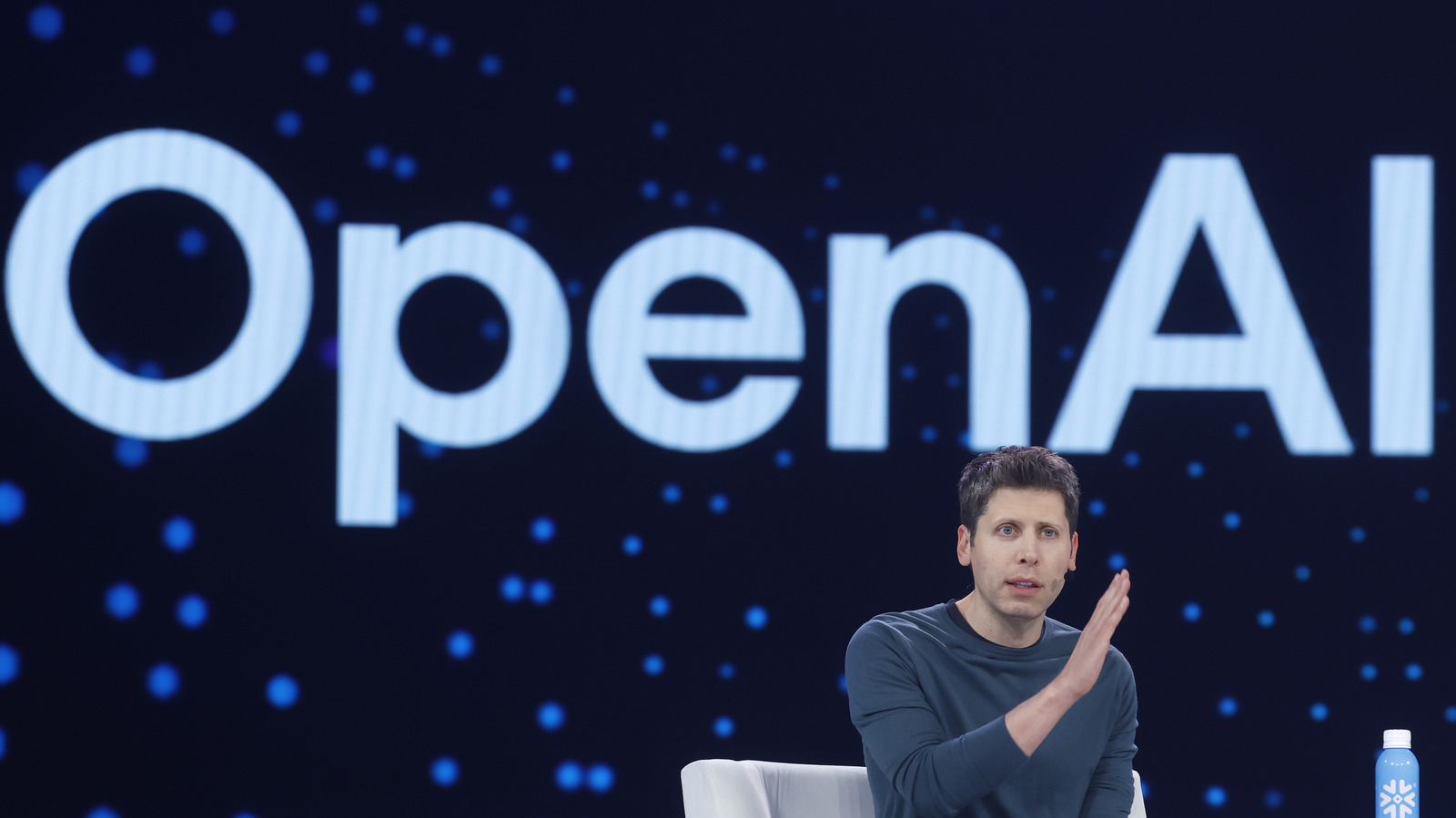
Astra's reported slowdown shows how unresolved cyber capabilities can affect advanced-model release plans.
30-Second TL;DR
What Changed
Astra development has reportedly been slowed because of cybersecurity concerns.
Why It Matters
If accurate, the delay would reinforce the need for stronger cyber-risk evaluations before releasing advanced models. It could also increase launch uncertainty for developers planning integrations around Astra.
What To Do Next
Add a cyber-capability evaluation gate to your model-release checklist, including tests for exploit generation, vulnerability discovery, and harmful automation.
Key Points
- •Astra development has reportedly been slowed because of cybersecurity concerns.
- •The article says developers could not rule out critical cyber capabilities.
- •The headline names OpenAI, while the body names Meta, creating a significant attribution discrepancy.
Deep Insight
AI-generated analysis for this event — not the original article.
Enhanced Key Takeaways
- •Project Astra is a multimodal AI assistant initiative developed by Google DeepMind, not OpenAI or Meta, making the Engadget report's attribution highly inaccurate.
- •The cybersecurity concerns cited in industry reports often refer to 'dual-use' risks, where AI models could potentially assist in writing exploit code or automating cyberattacks.
- •Google DeepMind has implemented a 'red teaming' process for Astra to identify and mitigate risks related to autonomous agent capabilities before public release.
- •The confusion in the source article likely stems from industry-wide scrutiny of frontier models, where companies like OpenAI, Meta, and Google are all under pressure to demonstrate safety protocols.
- •Google's development strategy for Astra emphasizes 'agentic' features, which allow the model to interact with computer interfaces, significantly increasing the potential attack surface for cybersecurity vulnerabilities.
Competitor Analysis
- Google Project Astra
- Multimodal Agentic Assistant
- OpenAI GPT-4o
- Multimodal Conversational AI
- Meta Llama 3.1
- Open-Weights Foundation Model
- Google Project Astra
- Proprietary Multimodal
- OpenAI GPT-4o
- Proprietary Multimodal
- Meta Llama 3.1
- Transformer (Open Weights)
- Google Project Astra
- High (Red-teaming focus)
- OpenAI GPT-4o
- High (Safety-first deployment)
- Meta Llama 3.1
- Moderate (Community-driven safety)
| Feature | Google Project Astra | OpenAI GPT-4o | Meta Llama 3.1 |
|---|---|---|---|
| Primary Focus | Multimodal Agentic Assistant | Multimodal Conversational AI | Open-Weights Foundation Model |
| Architecture | Proprietary Multimodal | Proprietary Multimodal | Transformer (Open Weights) |
| Cybersecurity Stance | High (Red-teaming focus) | High (Safety-first deployment) | Moderate (Community-driven safety) |
Technical Deep Dive
- Astra utilizes a multimodal architecture capable of processing video, audio, and text streams in real-time.
- The model incorporates a memory module designed to retain context across long-duration interactions.
- It employs a low-latency inference pipeline to enable near-instantaneous conversational responses.
- The agentic framework allows for function calling and tool use, which is the primary vector for the identified cybersecurity risks.
Future ImplicationsAI analysis grounded in cited sources
Timeline
- 2024-05Project Astra is officially unveiled at Google I/O 2024.
- 2024-12Google begins limited internal testing of Astra's agentic capabilities.
- 2025-06DeepMind reports the discovery of potential dual-use vulnerabilities during red-teaming.
- 2026-03Development pace is officially throttled to prioritize safety architecture over feature expansion.
Weekly AI Recap
Read this week's curated digest of top AI events →
Related Updates

AI-curated news aggregator. All content rights belong to original publishers.
Original source: Engadget ↗
This is a summary, not the original. Read the source, or get the weekly briefing.
The weekly digest
One email a week. Unsubscribe anytime.