Archer Acquires Boeing’s Autonomous Aviation Businesses
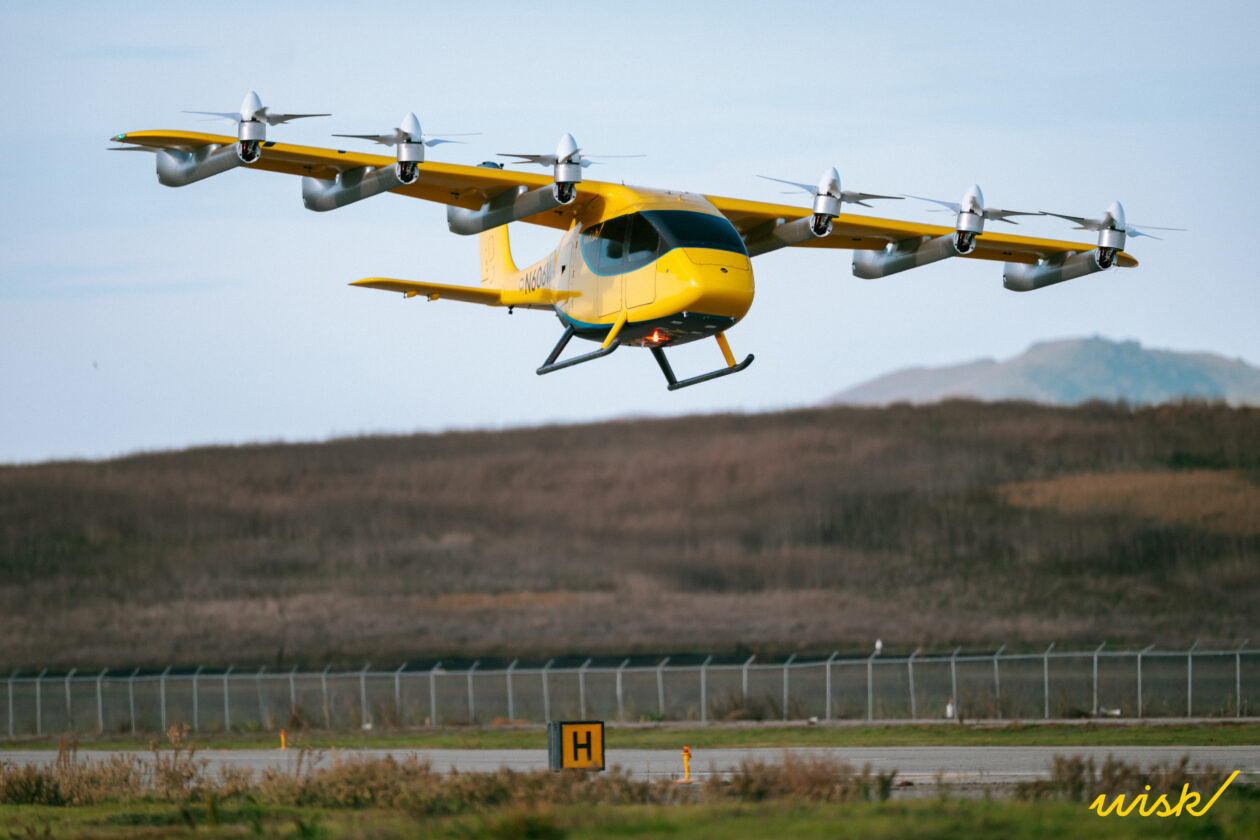
See how Archer is combining autonomous aircraft, drones, airspace technology and AI.
30-Second TL;DR
What Changed
Archer is acquiring Boeing units Wisk, SkyGrid and Insitu.
Why It Matters
The deal could accelerate the development of autonomous aviation by combining aircraft, drone and airspace capabilities. For AI companies, it signals growing demand for integrated systems that connect machine intelligence with regulated physical-world operations.
What To Do Next
Map your autonomous-system architecture against Archer’s emerging aircraft, drone and airspace stack to identify potential integration or partnership opportunities.
Key Points
- •Archer is acquiring Boeing units Wisk, SkyGrid and Insitu.
- •The transaction combines autonomous aircraft and drone technologies.
- •SkyGrid’s airspace technology and AI capabilities add an infrastructure layer to Archer’s aviation portfolio.
Deep Insight
AI-generated analysis for this event — not the original article.
Enhanced Key Takeaways
- •The acquisition marks a strategic pivot for Boeing, which will transition from a direct operator of autonomous urban air mobility (UAM) assets to a significant equity stakeholder in Archer.
- •Wisk Aero, previously a joint venture between Boeing and Kitty Hawk, brings its proprietary 'Cora' autonomous eVTOL technology and extensive flight testing data to Archer's development pipeline.
- •Insitu’s integration provides Archer with mature, combat-proven unmanned aerial system (UAS) hardware and long-endurance flight control software, expanding Archer's reach beyond passenger transport into logistics and surveillance.
- •SkyGrid’s AI-driven airspace management platform is expected to be integrated into Archer’s fleet operations to automate flight path deconfliction and regulatory compliance in dense urban environments.
- •The deal includes a multi-year strategic partnership agreement where Boeing will provide Archer with ongoing access to its advanced manufacturing facilities and supply chain expertise to accelerate mass production of eVTOL aircraft.
Competitor Analysis
- Archer (Post-Acquisition)
- Integrated Autonomous UAM/Logistics
- Joby Aviation
- Piloted/Autonomous eVTOL
- Lilium
- High-Speed Regional eVTOL
- EHang
- Autonomous Passenger Drones
- Archer (Post-Acquisition)
- Proprietary (via SkyGrid)
- Joby Aviation
- Partnered/Third-Party
- Lilium
- Partnered/Third-Party
- EHang
- Proprietary
- Archer (Post-Acquisition)
- Boeing-backed scale
- Joby Aviation
- Toyota-backed scale
- Lilium
- In-house/Partners
- EHang
- In-house
- Archer (Post-Acquisition)
- High (Wisk/Insitu integration)
- Joby Aviation
- Moderate (Piloted transition)
- Lilium
- Moderate (Piloted)
- EHang
- High (Autonomous)
| Feature | Archer (Post-Acquisition) | Joby Aviation | Lilium | EHang |
|---|---|---|---|---|
| Primary Focus | Integrated Autonomous UAM/Logistics | Piloted/Autonomous eVTOL | High-Speed Regional eVTOL | Autonomous Passenger Drones |
| Airspace Tech | Proprietary (via SkyGrid) | Partnered/Third-Party | Partnered/Third-Party | Proprietary |
| Manufacturing | Boeing-backed scale | Toyota-backed scale | In-house/Partners | In-house |
| Autonomy Level | High (Wisk/Insitu integration) | Moderate (Piloted transition) | Moderate (Piloted) | High (Autonomous) |
Technical Deep Dive
- Wisk Cora Architecture: Utilizes a 12-propeller configuration (12 independent lift fans) for vertical takeoff and landing, combined with a single pusher propeller for cruise flight.
- Insitu Flight Control: Leverages the INEXA flight control system, which supports autonomous takeoff, landing, and beyond-visual-line-of-sight (BVLOS) operations in complex environments.
- SkyGrid AI Integration: Employs machine learning models for predictive airspace monitoring, dynamic geofencing, and automated weather avoidance protocols.
- Sensor Fusion: The combined platform utilizes a multi-modal sensor suite including LiDAR, radar, and electro-optical/infrared (EO/IR) cameras for redundant obstacle detection and avoidance.
Future ImplicationsAI analysis grounded in cited sources
Timeline
- 2019-06Boeing and Kitty Hawk form Wisk Aero joint venture.
- 2020-05Boeing and SparkCognition launch SkyGrid to develop AI-powered airspace management.
- 2023-02Boeing announces a $450 million investment in Wisk to accelerate autonomous eVTOL development.
- 2023-05Boeing acquires full ownership of Wisk Aero.
- 2026-08Archer acquires Wisk, SkyGrid, and Insitu from Boeing.
Event Coverage
Weekly AI Recap
Read this week's curated digest of top AI events →
Related Updates

AI-curated news aggregator. All content rights belong to original publishers.
Original source: GeekWire ↗
This is a summary, not the original. Read the source, or get the weekly briefing.
The weekly digest
One email a week. Unsubscribe anytime.