Apple’s New CEO Inherits the AI Challenge
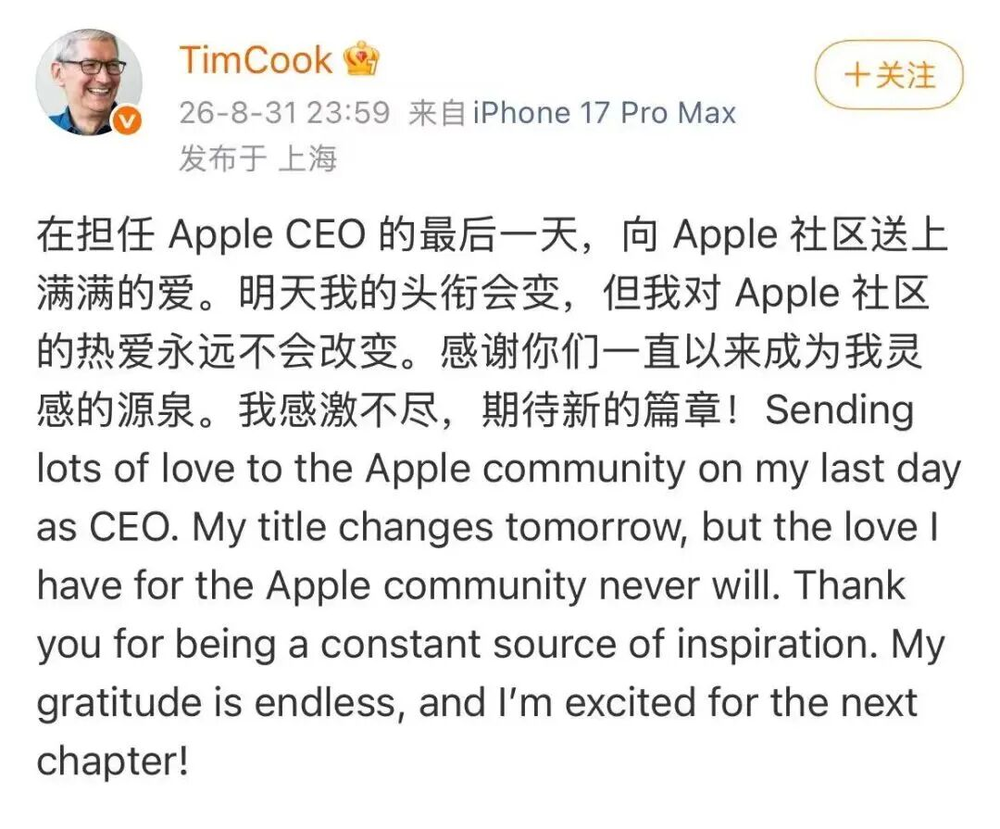
💡Apple’s CEO handoff signals a hardware-first AI strategy—and a high-stakes test for the next Siri.
⚡ 30-Second TL;DR
What Changed
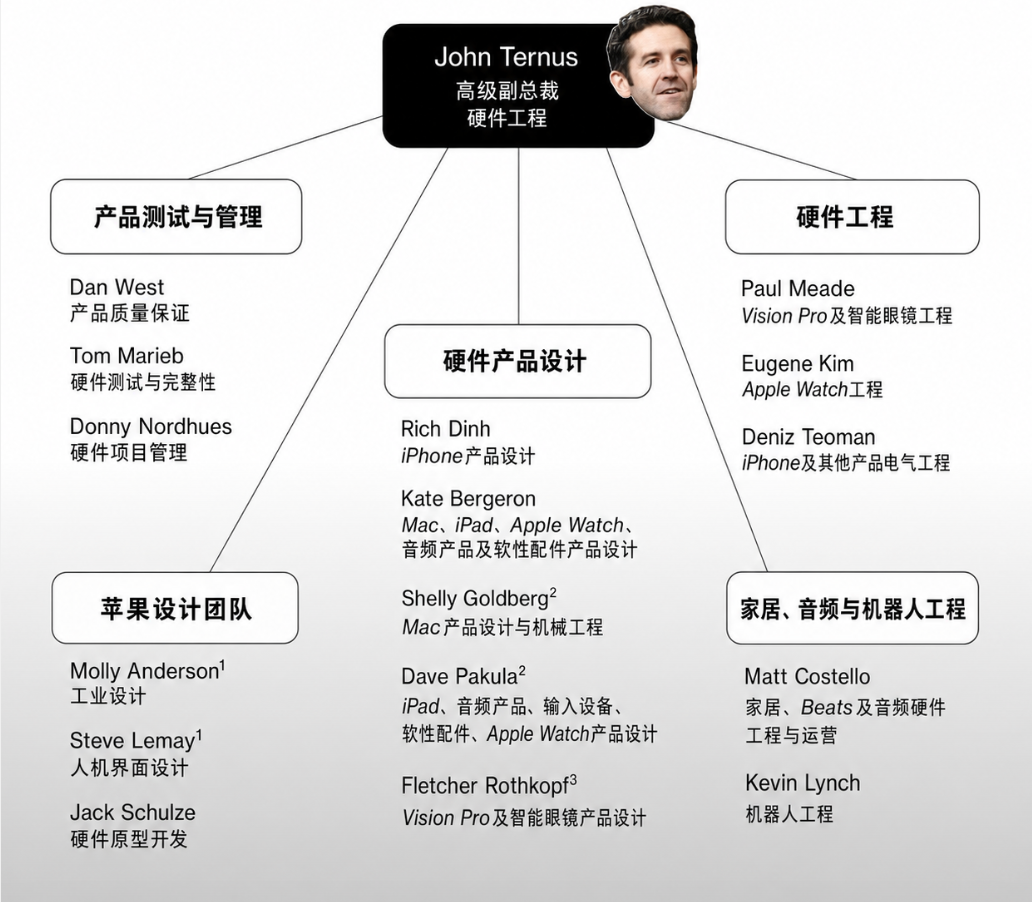
John Ternus formally became Apple CEO on September 1, with Tim Cook moving to executive chairman.
Why It Matters
The leadership change may shift Apple’s AI strategy from operational excellence toward hardware-integrated intelligence. Developers and founders should watch whether Apple opens more useful on-device or partner-model capabilities around the next Siri and iPhone launches.
What To Do Next
Test your app’s Siri and Apple Intelligence integration points against the next iOS developer beta before committing to a voice-first product roadmap.
Key Points
- •John Ternus formally became Apple CEO on September 1, with Tim Cook moving to executive chairman.
- •Cook’s internal farewell letter emphasized company culture and succession rather than financial metrics.
- •Apple’s AI progress has been criticized after delays to the enhanced Siri and underwhelming Apple Intelligence performance.
- •Apple reportedly turned to Google Gemini for the next Siri backend in a deal worth about $1 billion annually.
- •Ternus is expected to pursue AI-enabled hardware, including camera-equipped AirPods and smart glasses.
🧠 Deep Insight
Background and context from public sources — not the original article. 11 sources cited.
🔑 Enhanced Key Takeaways
- •John Ternus is the 8th CEO in Apple's history, following a succession process that was publicly initiated in April 2026.
- •Tim Cook's transition to Executive Chairman is specifically designed to maintain continuity in high-level government relations within the U.S. and China.
- •Apple has intentionally adopted a 'capex-light' AI infrastructure strategy, contrasting with the $100B+ capital expenditure models utilized by Microsoft, Meta, and Alphabet.
- •Apple's internal leadership has explicitly admitted to lacking a finalized long-term financial roadmap for the compute costs associated with scaling AI features.
- •The company's AI philosophy prioritizes 'invisible' OS-level integration over the development of a standalone, branded chatbot interface.
📊 Competitor Analysis▸ Show
| Feature | Apple (Ternus Era) | Microsoft/Google/Meta |
|---|---|---|
| AI Infrastructure | Capex-light (Licensing/Hybrid) | Heavy Proprietary Data Centers |
| Primary AI Focus | Invisible OS Integration | Standalone Chatbots/Agents |
| Hardware Strategy | AI-Integrated Consumer Devices | Cloud/Enterprise AI Services |
🛠️ Technical Deep Dive
- Apple Intelligence architecture utilizes a hybrid model approach, combining on-device processing for privacy with off-device requests routed to partner models like Google Gemini.
- The revamped Siri is designed to execute multi-step, cross-app workflows, moving away from the previous intent-based command structure.
- Future hardware integration focuses on low-latency sensor fusion for wearable AI, specifically targeting camera-equipped AirPods and smart glasses.
🔮 Future ImplicationsAI analysis grounded in cited sources
⏳ Timeline
📎 Sources (11)
Factual claims are grounded in the sources below. Forward-looking analysis is AI-generated interpretation.
Weekly AI Recap
Read this week's curated digest of top AI events →
👉Related Updates
AI-curated news aggregator. All content rights belong to original publishers.
Original source: 虎嗅 ↗
This is a summary, not the original. Read the source, or get the weekly briefing.
Weekly AI briefing
One email a week. Unsubscribe anytime.