Apple Shifts OLED Orders to Korean Suppliers
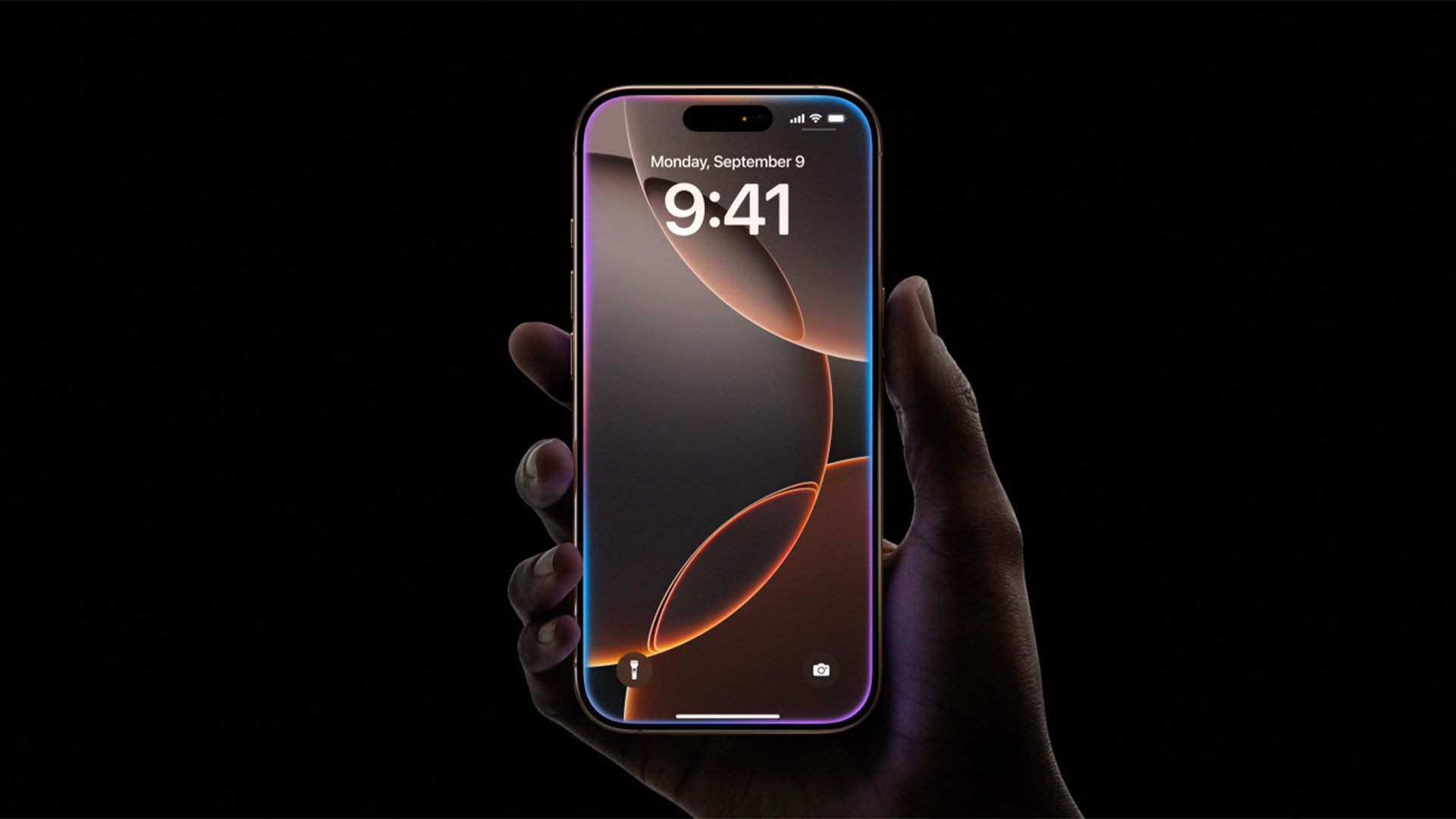
Understand Apple's supply chain shifts to anticipate hardware availability and cost trends for future AI devices.
30-Second TL;DR
What Changed
Apple is tightening its OLED procurement strategy to favor Korean firms.
Why It Matters
The consolidation of display supply chains may affect hardware costs and lead times for future Apple devices. AI practitioners working on edge hardware integration should monitor these supply shifts for potential component availability impacts.
What To Do Next
Evaluate your hardware supply chain dependencies if your AI application relies on specific high-end display components from Apple's ecosystem.
Key Points
- •Apple is tightening its OLED procurement strategy to favor Korean firms.
- •Chinese display manufacturers face setbacks in securing Apple's future orders.
- •The move reflects a long-term strategy of diversifying while centralizing core supply.
Deep Insight
AI-generated analysis for this event — not the original article.
Enhanced Key Takeaways
- •Apple's shift is reportedly driven by stringent quality control requirements for upcoming LTPO (Low-Temperature Polycrystalline Oxide) OLED panels intended for future iPhone and iPad Pro iterations.
- •Korean suppliers, primarily Samsung Display and LG Display, have invested heavily in tandem OLED structures which Apple now mandates for its high-end device longevity and brightness standards.
- •Chinese manufacturers like BOE Technology have struggled with yield rates for advanced OLED technologies, specifically regarding the integration of under-display Face ID sensors.
- •The procurement pivot is partially a response to geopolitical supply chain risks, with Apple aiming to reduce reliance on Chinese manufacturing hubs for critical display components.
- •Industry analysts note that Korean firms are leveraging proprietary 'M-series' material sets that currently outperform the material stacks offered by Chinese competitors in power efficiency benchmarks.
Competitor Analysis
- Samsung Display (Korea)
- Premium/High-End
- LG Display (Korea)
- Premium/High-End
- BOE Technology (China)
- Mid-Range/Entry
- Samsung Display (Korea)
- LTPO/Tandem
- LG Display (Korea)
- LTPO/Tandem
- BOE Technology (China)
- LTPS/Standard OLED
- Samsung Display (Korea)
- Very High
- LG Display (Korea)
- High
- BOE Technology (China)
- Moderate
- Samsung Display (Korea)
- Primary Supplier
- LG Display (Korea)
- Secondary/Strategic
- BOE Technology (China)
- Emerging/Limited
| Feature | Samsung Display (Korea) | LG Display (Korea) | BOE Technology (China) |
|---|---|---|---|
| Market Position | Premium/High-End | Premium/High-End | Mid-Range/Entry |
| OLED Tech | LTPO/Tandem | LTPO/Tandem | LTPS/Standard OLED |
| Yield Rates | Very High | High | Moderate |
| Apple Priority | Primary Supplier | Secondary/Strategic | Emerging/Limited |
Technical Deep Dive
- Tandem OLED Architecture: Utilizes two stacked emission layers to increase brightness and extend panel lifespan by reducing the current density required for each layer.
- LTPO Backplane Technology: Enables variable refresh rates from 1Hz to 120Hz, significantly reducing power consumption during static content display.
- Material Sets: Transitioning to advanced organic material stacks that improve color gamut accuracy and peak luminance (nits) while maintaining thermal stability.
- Integration Challenges: High-precision laser cutting and encapsulation processes required for thin-bezel designs and under-display sensor arrays remain the primary barrier for non-Korean suppliers.
Future ImplicationsAI analysis grounded in cited sources
Timeline
- 2021-09Apple introduces ProMotion with LTPO OLED on iPhone 13 Pro series.
- 2023-09BOE faces significant yield issues with iPhone 15 display production.
- 2024-05Apple launches iPad Pro with Tandem OLED technology supplied by LG and Samsung.
- 2025-11Apple begins formalizing long-term exclusive OLED supply agreements with Korean partners.
Weekly AI Recap
Read this week's curated digest of top AI events →
Related Updates

AI-curated news aggregator. All content rights belong to original publishers.
Original source: cnBeta (Full RSS) ↗
This is a summary, not the original. Read the source, or get the weekly briefing.
The weekly digest
One email a week. Unsubscribe anytime.