Apple reportedly halts camera-equipped AirPods development
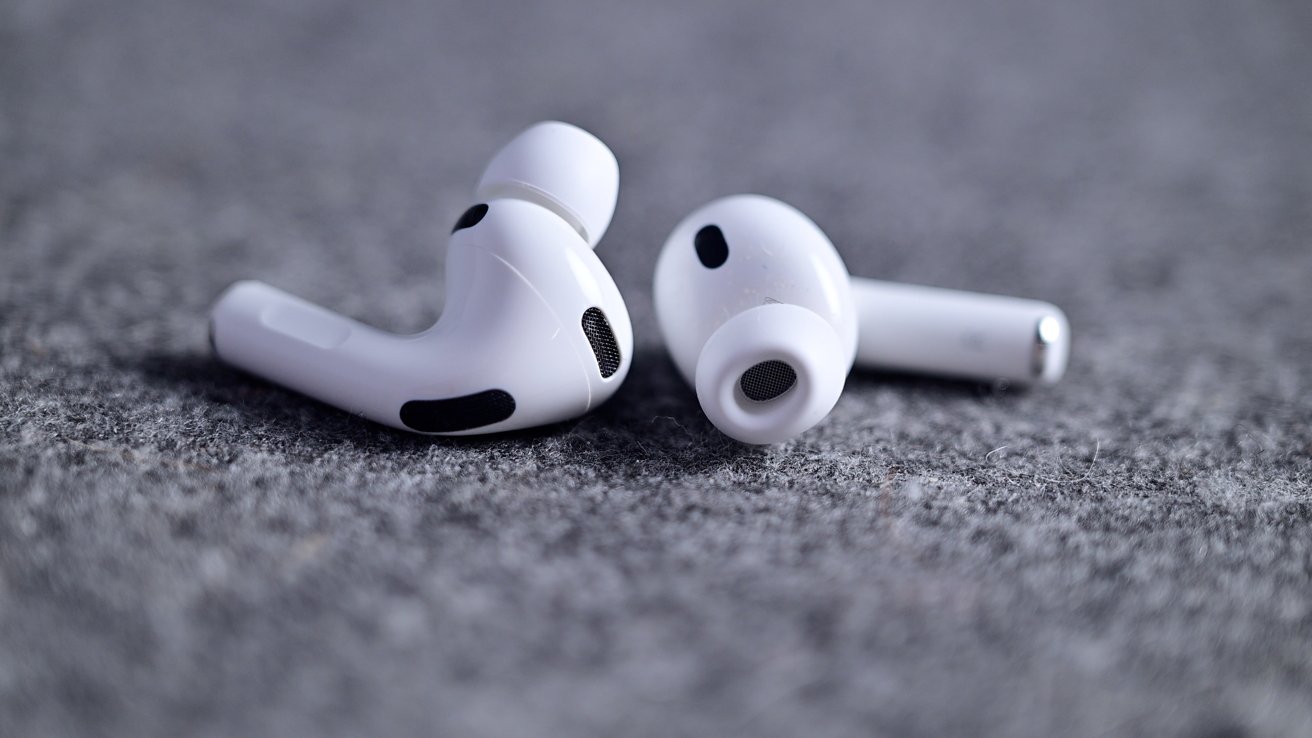
💡Understand Apple's shifting strategy in wearable AI hardware and sensor integration.
⚡ 30-Second TL;DR
What Changed
Apple has officially paused the development of camera-equipped AirPods.
Why It Matters
This cancellation suggests Apple is refining its wearable AI strategy, potentially shifting focus from camera-based visual input to other sensor-based modalities for spatial computing.
What To Do Next
Monitor Apple's patent filings for alternative spatial audio and sensor fusion technologies that might replace visual input in future wearables.
Key Points
- •Apple has officially paused the development of camera-equipped AirPods.
- •The project was intended to explore new wearable sensing capabilities.
- •The report comes from a source with a track record of Apple-related leaks.
🧠 Deep Insight
AI-generated analysis for this event — not the original article.
🔑 Enhanced Key Takeaways
- •The project, internally codenamed 'B798', was reportedly exploring the use of low-resolution camera sensors to capture environmental data for spatial computing and AI-driven assistance.
- •Initial research suggested the cameras were intended to enhance Apple's 'Apple Intelligence' features by providing the system with visual context of the user's surroundings.
- •Technical challenges regarding battery life and thermal management in such a compact form factor were cited as primary drivers for the project's suspension.
- •Industry analysts suggest that Apple may be pivoting the underlying sensor technology research toward future iterations of smart glasses or augmented reality (AR) wearables instead.
- •The cancellation aligns with a broader strategic shift at Apple to prioritize resource allocation toward the Vision Pro ecosystem and upcoming lightweight AR hardware.
📊 Competitor Analysis▸ Show
| Feature | Apple (Project B798) | Meta (Ray-Ban Meta) | Google (Glass Enterprise) |
|---|---|---|---|
| Form Factor | Ear-worn (Cancelled) | Smart Glasses | Smart Glasses |
| Camera Integration | Yes (Planned) | Yes | Yes |
| Primary Use Case | Spatial Audio/AI Context | Social/AI Assistant | Enterprise/AR |
| Pricing | N/A | $299+ | Discontinued |
🛠️ Technical Deep Dive
- Sensor Type: Low-resolution CMOS image sensors designed for environmental mapping rather than high-fidelity photography.
- Data Processing: Intended to leverage on-device neural engines to process visual data locally to maintain user privacy.
- Power Constraints: The project faced significant hurdles in maintaining a standard AirPods battery life (approx. 5-6 hours) while powering active image capture and wireless transmission.
- Connectivity: Utilized ultra-low-latency wireless protocols to sync visual metadata with the host iPhone or Vision Pro headset.
🔮 Future ImplicationsAI analysis grounded in cited sources
⏳ Timeline
📰 Event Coverage
Weekly AI Recap
Read this week's curated digest of top AI events →
👉Related Updates
AI-curated news aggregator. All content rights belong to original publishers.
Original source: cnBeta (Full RSS) ↗
This is a summary, not the original. Read the source, or get the weekly briefing.
Weekly AI briefing
One email a week. Unsubscribe anytime.