Apple raises prices on Mac and iPad lineups
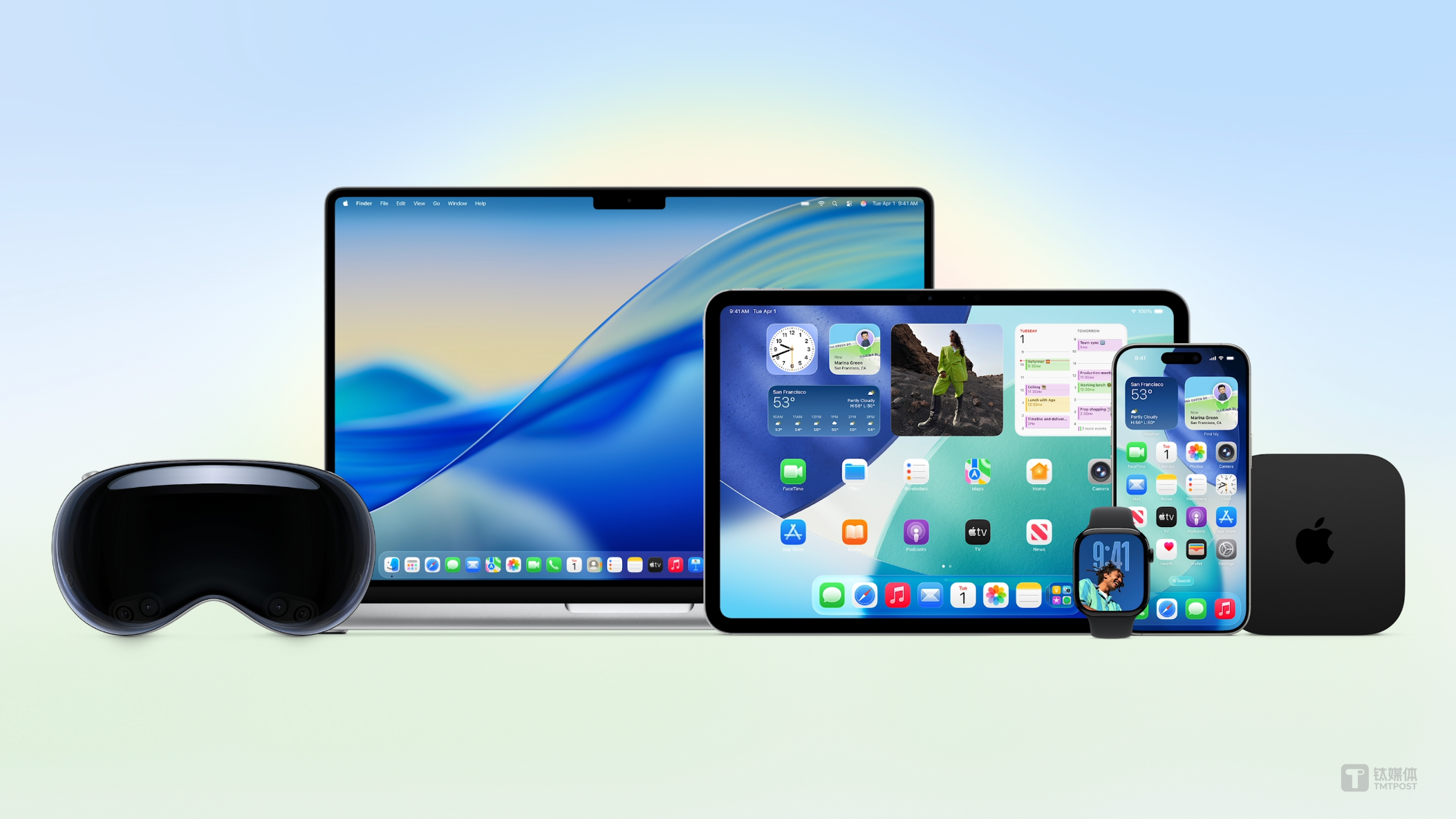
Understand how Apple's pricing strategy impacts the hardware ecosystem for developers.
30-Second TL;DR
What Changed
Apple implemented significant price hikes across Mac and iPad models.
Why It Matters
Pricing adjustments may impact consumer demand and signal a shift in Apple's hardware margin strategy.
What To Do Next
Monitor Apple's hardware pricing trends to assess the impact on the total cost of ownership for AI development workstations.
Key Points
- •Apple implemented significant price hikes across Mac and iPad models.
- •Maximum price increase reached 3,500 RMB.
- •The move follows a major decline in Apple's market valuation.
Deep Insight
AI-generated analysis for this event — not the original article.
Enhanced Key Takeaways
- •The price adjustments are largely attributed to fluctuating currency exchange rates and rising costs of advanced semiconductor components, specifically the latest M-series silicon production.
- •Market analysts suggest the price hike is a strategic attempt to maintain profit margins amidst a cooling global demand for premium consumer electronics.
- •The 3,500 RMB increase primarily affects high-end configurations of the MacBook Pro and iPad Pro, particularly those equipped with increased unified memory and storage capacities.
- •Apple's decision to raise prices in the Chinese market specifically reflects the impact of local economic conditions and the strengthening of the US dollar against the RMB.
- •Retail partners and authorized resellers in China have been notified that these price changes are mandatory, limiting their ability to offer previous discount levels.
Competitor Analysis
- Apple (Mac/iPad)
- Premium/High-end
- Huawei (MateBook/MatePad)
- Competitive/Value-focused
- Samsung (Galaxy Tab/Book)
- Premium/Mid-range
- Apple (Mac/iPad)
- Apple Silicon (M-series)
- Huawei (MateBook/MatePad)
- Intel Core / Kirin
- Samsung (Galaxy Tab/Book)
- Intel Core / Snapdragon
- Apple (Mac/iPad)
- Closed/Highly Integrated
- Huawei (MateBook/MatePad)
- HarmonyOS/Super Device
- Samsung (Galaxy Tab/Book)
- Android/Windows/SmartThings
- Apple (Mac/iPad)
- Professional/Creative
- Huawei (MateBook/MatePad)
- Productivity/Business
- Samsung (Galaxy Tab/Book)
- Multimedia/Enterprise
| Feature/Metric | Apple (Mac/iPad) | Huawei (MateBook/MatePad) | Samsung (Galaxy Tab/Book) |
|---|---|---|---|
| Pricing Strategy | Premium/High-end | Competitive/Value-focused | Premium/Mid-range |
| Processor | Apple Silicon (M-series) | Intel Core / Kirin | Intel Core / Snapdragon |
| Ecosystem | Closed/Highly Integrated | HarmonyOS/Super Device | Android/Windows/SmartThings |
| Market Positioning | Professional/Creative | Productivity/Business | Multimedia/Enterprise |
Technical Deep Dive
- The price increases coincide with the transition to 2nm and 3nm process nodes for Apple's custom silicon, which carry higher wafer costs.
- Increased pricing for iPad Pro models is linked to the integration of tandem OLED display technology, which significantly raises bill-of-materials (BOM) costs.
- Memory pricing adjustments reflect the industry-wide shift toward LPDDR5X and higher-density NAND flash storage modules required for on-device AI processing capabilities.
Future ImplicationsAI analysis grounded in cited sources
Timeline
- 2023-06Apple introduces the 15-inch MacBook Air, expanding the M2 lineup.
- 2024-05Apple launches the M4-powered iPad Pro with tandem OLED display technology.
- 2025-02Apple reports a significant quarterly decline in market capitalization due to slowing hardware growth.
- 2026-06Apple officially announces price increases for Mac and iPad lineups in China.
Weekly AI Recap
Read this week's curated digest of top AI events →
AI-curated news aggregator. All content rights belong to original publishers.
Original source: 钛媒体 ↗
This is a summary, not the original. Read the source, or get the weekly briefing.
The weekly digest
One email a week. Unsubscribe anytime.