Apple developing anti-theft device locking feature
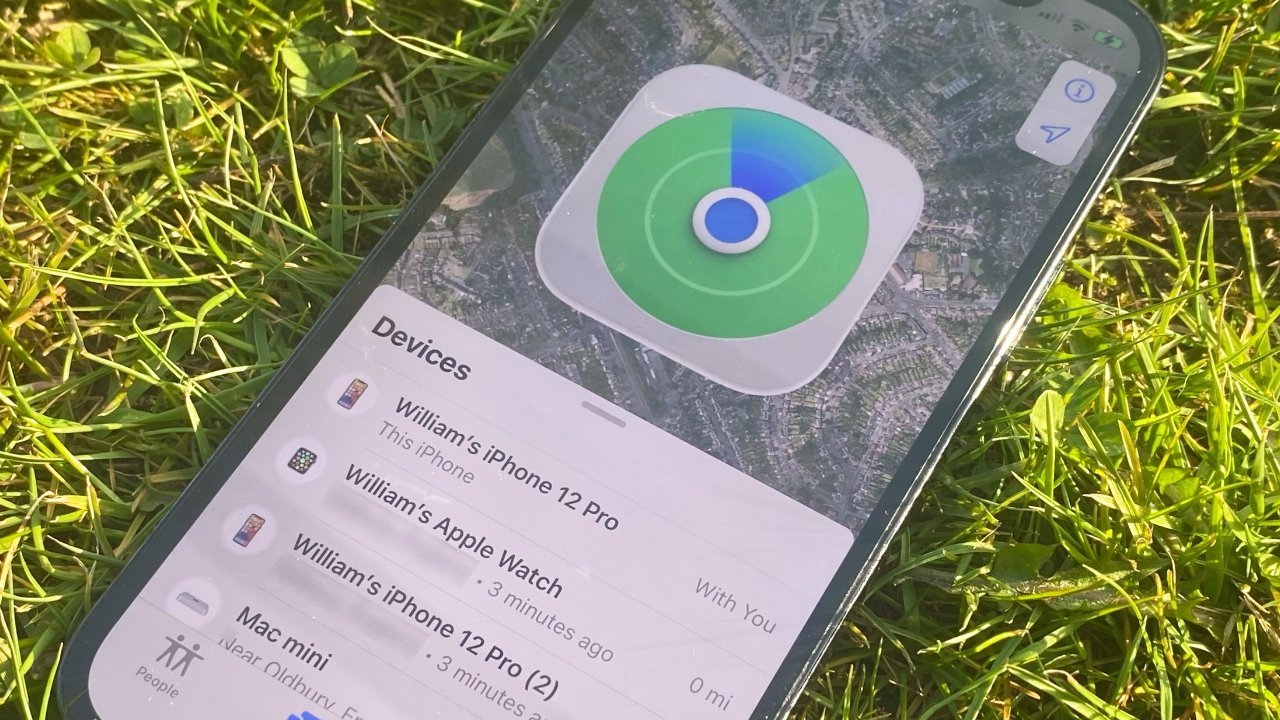
💡Apple's move into sensor-based anti-theft highlights how hardware-level AI can solve real-world security problems.
⚡ 30-Second TL;DR
What Changed
Feature triggers automatic locking upon detection of a snatching event
Why It Matters
This feature could significantly reduce the resale value of stolen iPhones, potentially decreasing the motivation for street-level hardware theft.
What To Do Next
Monitor Apple's security documentation for potential integration of device-state APIs that developers can use to secure sensitive app data.
Key Points
- •Feature triggers automatic locking upon detection of a snatching event
- •Aims to render stolen hardware useless to discourage theft
- •Currently in development with no confirmed release date
🧠 Deep Insight
Web-grounded analysis with 28 cited sources.
🔑 Enhanced Key Takeaways
- •The upcoming feature will leverage the iPhone's accelerometer and other on-device cues to detect a snatching event, potentially integrating with a paired Apple Watch to monitor distance for enhanced accuracy.
- •Beyond automatically locking the device, the new security measure will also apply the rules of Apple's existing 'Stolen Device Protection,' restricting access to sensitive settings and data if the theft occurs in an unfamiliar location.
- •This development specifically targets the vulnerability of an iPhone being stolen while unlocked, a scenario where current features like Activation Lock and Stolen Device Protection might not offer immediate protection against data access.
- •Reports indicate that the feature's development is based on code discovered by 9to5Mac and a recently granted Apple patent, suggesting a long-standing research interest in motion-based theft detection.
- •The feature aims to deter street crime by rendering stolen devices useless to thieves, addressing a growing problem in major cities where unlocked phones are targeted for their immediate value and access to personal data.
📊 Competitor Analysis▸ Show
Competitor Anti-Theft Features
| Feature / Company | Apple (Upcoming Snatch-Lock) | Google (Android Theft Detection Lock) | Samsung (Knox Vault, Remote Lock) |
|---|---|---|---|
| Primary Mechanism | Accelerometer, other sensors, Apple Watch proximity, location awareness (familiar vs. unfamiliar) to detect snatching and auto-lock. | AI and motion sensors (accelerometer) to detect snatching and auto-lock. | Hardware-level encryption (Knox Vault), remote wipe/lock, enhanced app permission controls. |
| Availability | In development, no confirmed release date. | Available since Android 15 (or 2024). | Integrated into Samsung Galaxy devices, Knox Vault introduced in 2023. |
| Additional Protections | Integrates with Stolen Device Protection rules (biometric authentication, security delays for sensitive changes in unfamiliar locations). | Offline Device Lock (locks if offline), Remote Lock, Identity Check (biometric for sensitive apps outside trusted places). | Knox Matrix Trust Chain for device security monitoring, extensive privacy controls, remote camera photos. |
| Targeted Threat | Opportunistic theft of unlocked devices. | Opportunistic theft of unlocked devices, offline devices, failed authentication attempts. | Unauthorized access, data encryption, remote management in case of theft. |
🛠️ Technical Deep Dive
- The system will primarily utilize the iPhone's built-in accelerometer to detect sudden, forceful movements, vibrations, and shocks characteristic of a snatching event.
- On-device intelligence and algorithms will analyze sensor data to differentiate between legitimate user movements (e.g., dropping the phone) and a theft scenario.
- The feature may incorporate data from other sensors, such as the gyroscope (which measures angular velocity and orientation), to provide a more comprehensive understanding of the device's motion.
- Proximity to a paired Apple Watch will serve as an additional signal; if the iPhone rapidly moves away from the Watch, it strengthens the theft detection.
- Location awareness, including connection to familiar Wi-Fi networks and recognized geographic locations (home, work), will be used to prevent false positives and determine if Stolen Device Protection rules should be applied.
🔮 Future ImplicationsAI analysis grounded in cited sources
⏳ Timeline
📎 Sources (28)
Factual claims are grounded in the sources below. Forward-looking analysis is AI-generated interpretation.
- phonearena.com
- 9to5mac.com
- macworld.com
- appleinsider.com
- pcmag.com
- reddit.com
- eastleighvoice.co.ke
- gsmarena.com
- androidauthority.com
- sqmagazine.co.uk
- mashable.com
- appleinsider.com
- cnet.com
- slashdot.org
- cybersecurityspecialists.co.uk
- idmobile.co.uk
- tomsguide.com
- appleinsider.com
- iclarified.com
- nih.gov
- gizmodo.com
- reddit.com
- youtube.com
- quora.com
- apple.com
- cnet.com
- appleinsider.com
- pcmag.com
Weekly AI Recap
Read this week's curated digest of top AI events →
👉Related Updates
Same topic
Explore #mobile-security
Same product
More on iphone
Same source
Latest from cnBeta (Full RSS)

First atmosphere detected on habitable-zone exoplanet

Samsung Secures $200B Broadcom AI Infrastructure Deal

How AMD's 2006 ATI Acquisition Built Today's AI Empire

Capcom reveals character design secrets for Project
AI-curated news aggregator. All content rights belong to original publishers.
Original source: cnBeta (Full RSS) ↗