Ant Group Pivots AI Strategy: A-Fu Takes Lead
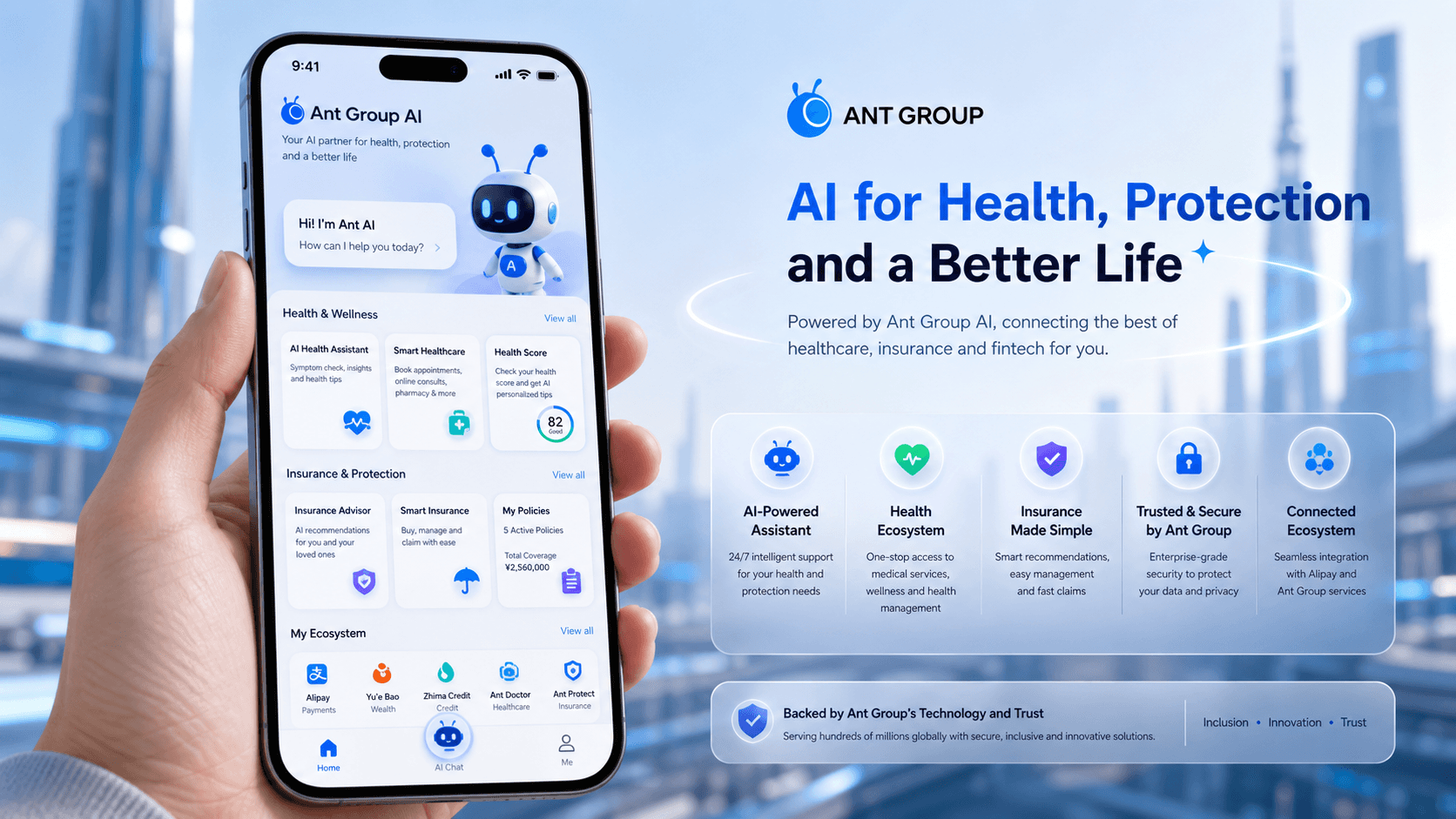
💡Ant Group's pivot to a 28M+ user health AI shows why vertical-specific models are winning over general ones.
⚡ 30-Second TL;DR
What Changed
Ant Group shifts strategic focus from general model Lingguang to health-vertical A-Fu.
Why It Matters
This shift highlights the growing importance of domain-specific AI in the Chinese market, suggesting that specialized models with massive user bases are becoming more valuable than general-purpose LLMs.
What To Do Next
Evaluate your product roadmap to determine if shifting from a general-purpose AI approach to a high-utility vertical focus could improve user retention.
Key Points
- •Ant Group shifts strategic focus from general model Lingguang to health-vertical A-Fu.
- •A-Fu model currently serves 28.97 million monthly active users (MAU).
- •The pivot reflects a broader industry trend of prioritizing specialized, high-utility AI applications over general-purpose models.
🧠 Deep Insight
AI-generated analysis for this event.
🔑 Enhanced Key Takeaways
- •Ant Group's pivot aligns with the 'AI for Industry' initiative, moving away from the saturated general-purpose LLM market to capture high-value, regulated sectors like healthcare.
- •The A-Fu model utilizes a proprietary 'Medical Knowledge Graph' integration that allows for higher accuracy in diagnostic reasoning compared to the broader Lingguang architecture.
- •Ant Group has secured strategic partnerships with over 50 major public hospitals in China to refine A-Fu's training data and ensure regulatory compliance with health data privacy laws.
- •The transition involves reallocating significant computational resources from the Lingguang foundation model team to the A-Fu vertical application team, signaling a permanent shift in R&D priority.
- •A-Fu's user growth is largely driven by its integration into the Alipay ecosystem, allowing users to access AI-powered health consultations directly within the existing financial super-app.
📊 Competitor Analysis▸ Show
| Competitor | Model Name | Focus Area | Key Advantage |
|---|---|---|---|
| Baidu | Lingyi (Health) | General/Health | Massive search data integration |
| Tencent | Hunyuan Health | Medical Imaging | Superior diagnostic imaging capabilities |
| Alibaba Cloud | Tongyi Qianwen | Enterprise/Health | Cloud infrastructure scale |
🛠️ Technical Deep Dive
- Architecture: A-Fu utilizes a Mixture-of-Experts (MoE) framework optimized for medical domain-specific tokens.
- Knowledge Integration: Employs a Retrieval-Augmented Generation (RAG) pipeline connected to a curated, peer-reviewed medical database.
- Compliance: Implements federated learning protocols to train on sensitive patient data without transferring raw records outside hospital firewalls.
- Latency: Optimized for mobile deployment within the Alipay app, achieving sub-200ms response times for text-based triage queries.
🔮 Future ImplicationsAI analysis grounded in cited sources
⏳ Timeline
Weekly AI Recap
Read this week's curated digest of top AI events →
👉Related Updates



AI-curated news aggregator. All content rights belong to original publishers.
Original source: Pandaily ↗