📱Engadget•Stalecollected in 12m
Android I/O 2026: Laptops & Gemini News
💡Gemini updates at Android I/O boost mobile AI integration options
⚡ 30-Second TL;DR
What Changed
Multiple product announcements at Android I/O 2026
Why It Matters
Google's focus on Gemini integration signals deeper AI embedding in consumer devices, potentially expanding on-device AI capabilities for developers.
What To Do Next
Check Gemini Intelligence docs for new APIs from I/O 2026 announcements.
Who should care:Developers & AI Engineers
Key Points
- •Multiple product announcements at Android I/O 2026
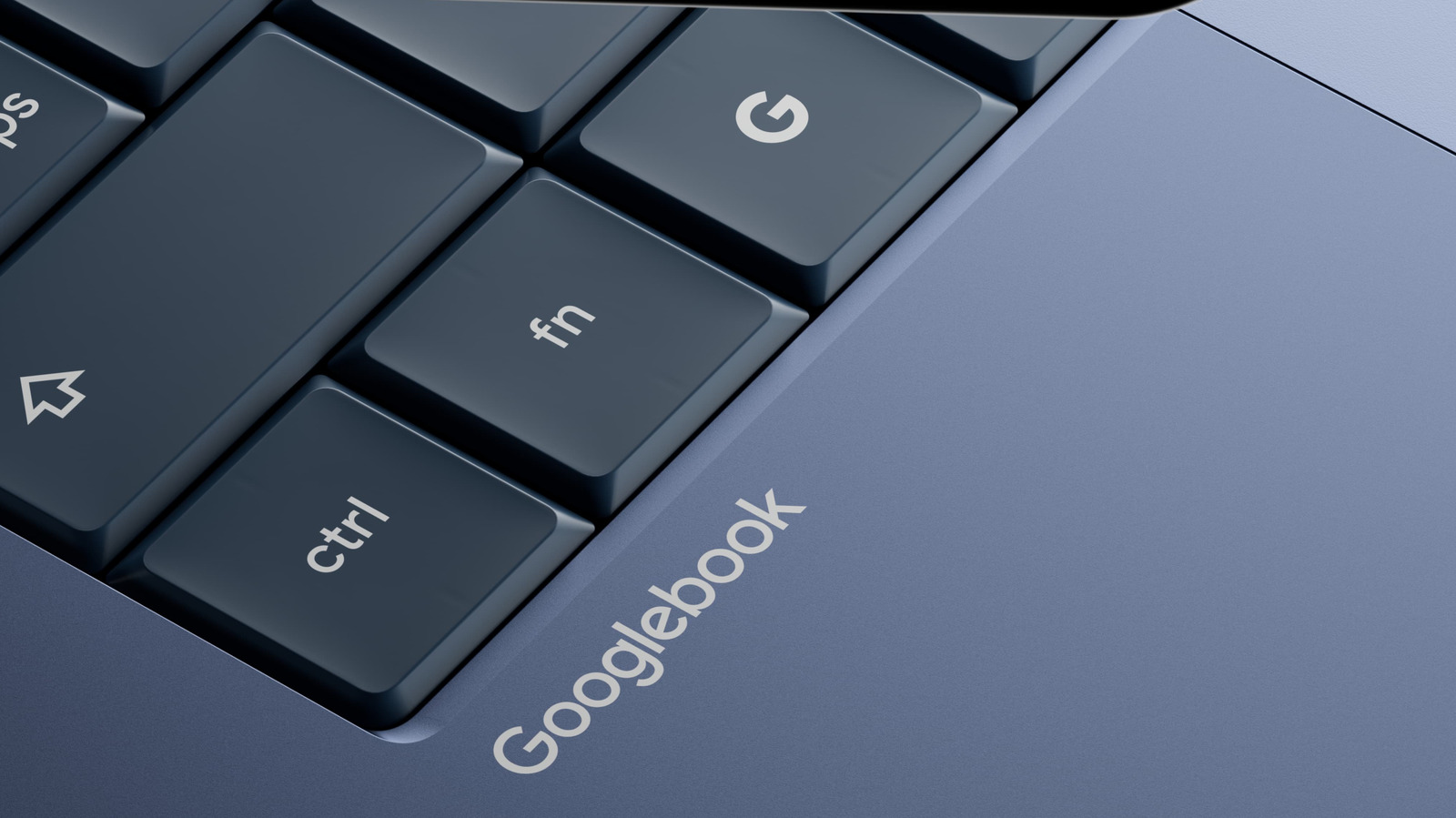
- •New laptop lineup introduced
- •Gemini Intelligence advancements revealed
🧠 Deep Insight
AI-generated analysis for this event — not the original article.
🔑 Enhanced Key Takeaways
- •Google introduced the 'Pixelbook Go 2', a premium Chromebook featuring a custom-designed Tensor G5 chip optimized for local on-device AI processing.
- •Gemini 2.5 Pro was announced, featuring a 5-million token context window and native multimodal reasoning capabilities specifically tuned for Android-to-laptop cross-device workflows.
- •The new laptop lineup integrates 'Project Astra' capabilities directly into the OS, allowing for real-time, low-latency visual and audio interaction with the desktop environment.
📊 Competitor Analysis▸ Show
| Feature | Google Pixelbook Go 2 | Apple MacBook Air (M3) | Microsoft Surface Laptop 7 |
|---|---|---|---|
| Processor | Tensor G5 (Custom) | Apple M3 | Snapdragon X Elite |
| OS | ChromeOS (Gemini-native) | macOS | Windows 11 (Copilot+) |
| AI Focus | On-device Gemini 2.5 | Neural Engine / Apple Intelligence | NPU / Copilot+ PC |
| Starting Price | $899 | $1,099 | $999 |
🛠️ Technical Deep Dive
- Tensor G5 Architecture: Utilizes a 3nm process node with a dedicated 'Gemini Processing Unit' (GPU) for handling large language model inference without cloud offloading.
- Gemini 2.5 Pro: Implements a Mixture-of-Experts (MoE) architecture that dynamically allocates compute resources based on task complexity, reducing power consumption by 30% compared to Gemini 2.0.
- Cross-Device Sync: Uses a proprietary low-latency protocol over Wi-Fi 7 to maintain a persistent state between Android mobile devices and the new laptops, enabling 'instant-on' app handoff.
🔮 Future ImplicationsAI analysis grounded in cited sources
Google will phase out third-party Chromebook manufacturing partnerships by 2028.
The shift toward custom Tensor-integrated hardware suggests a move toward a vertically integrated ecosystem similar to Apple's strategy.
Android and ChromeOS will achieve full binary compatibility by 2027.
The integration of Gemini 2.5 Pro and shared Tensor architecture minimizes the technical barriers between mobile and desktop operating systems.
⏳ Timeline
2017-10
Google launches the original Pixelbook, signaling a move into premium ChromeOS hardware.
2021-10
Google debuts the first custom Tensor chip in the Pixel 6 series.
2023-12
Google announces Gemini 1.0, marking the start of the company's unified AI model strategy.
2024-05
Google I/O 2024 showcases Project Astra, the foundation for the real-time AI agents seen in 2026.
2025-08
Google releases Gemini 2.0, significantly improving multimodal reasoning for mobile devices.
📰
Weekly AI Recap
Read this week's curated digest of top AI events →
👉Related Updates

AI-curated news aggregator. All content rights belong to original publishers.
Original source: Engadget ↗
This is a summary, not the original. Read the source, or get the weekly briefing.
Weekly AI briefing
One email a week. Unsubscribe anytime.