Ancient Roman concrete durability secrets revealed by 1900-year-old site
💡Material science breakthroughs could redefine the physical infrastructure required for long-term AI data center stabilit
⚡ 30-Second TL;DR
What Changed
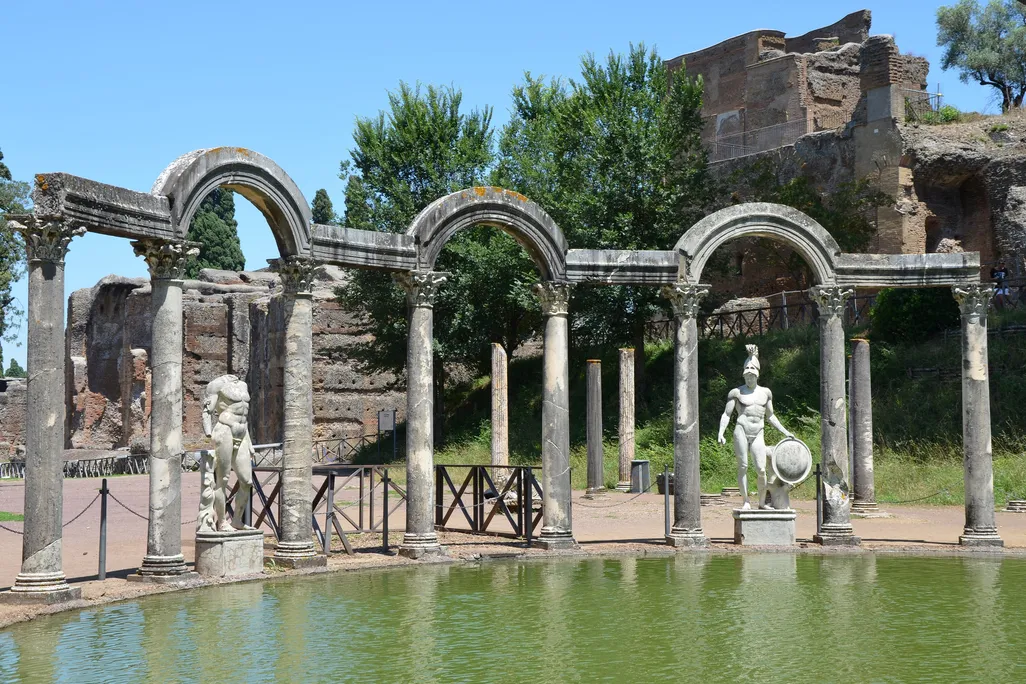
Roman concrete structures have survived for nearly 2,000 years.
Why It Matters
Advancements in material science inspired by ancient techniques could lead to more sustainable data center infrastructure, reducing the carbon footprint of physical AI hardware deployments.
What To Do Next
Review recent papers on 'self-healing materials' to see how these structural innovations might apply to future high-density AI server housing.
Key Points
- •Roman concrete structures have survived for nearly 2,000 years.
- •Research focuses on the self-healing properties of ancient building materials.
- •Modern concrete typically degrades within a century, prompting a search for more durable alternatives.
🧠 Deep Insight
AI-generated analysis for this event.
🔑 Enhanced Key Takeaways
- •The 'self-healing' mechanism is primarily attributed to 'lime clasts'—small, white mineral inclusions that allow the concrete to dissolve and recrystallize into cracks when water penetrates the structure.
- •Roman engineers utilized 'hot mixing' techniques, incorporating quicklime (calcium oxide) directly into the concrete mix rather than slaked lime, creating a reactive environment.
- •The chemical composition includes volcanic ash (pozzolana), which reacts with lime and water to form a durable, crystalline structure known as calcium-aluminum-silicate-hydrate (C-A-S-H).
- •Modern concrete production is responsible for approximately 8% of global CO2 emissions, making the adoption of Roman-inspired, long-lasting materials a critical target for decarbonization.
- •Studies conducted at the Massachusetts Institute of Technology (MIT) and other institutions have successfully replicated Roman concrete using the identified hot-mixing process, confirming its self-healing capabilities.
🛠️ Technical Deep Dive
- Hot Mixing Process: Involves mixing quicklime with volcanic ash at high temperatures, creating a reactive, high-temperature environment that produces lime clasts.
- Lime Clasts: Calcium carbonate inclusions that act as a calcium source for crack-filling, triggered by the dissolution and precipitation of calcium ions when water enters a crack.
- Pozzolanic Reaction: The chemical reaction between volcanic ash (silica and alumina) and calcium hydroxide to form binding phases that provide structural integrity.
- C-A-S-H Binder: Calcium-aluminum-silicate-hydrate, a stable, durable binding phase that replaces the C-S-H (calcium-silicate-hydrate) binder found in modern Portland cement, which is more susceptible to degradation.
🔮 Future ImplicationsAI analysis grounded in cited sources
⏳ Timeline
Weekly AI Recap
Read this week's curated digest of top AI events →
👉Related Updates



AI-curated news aggregator. All content rights belong to original publishers.
Original source: cnBeta (Full RSS) ↗