Analog Chips Enter a Recovery Cycle
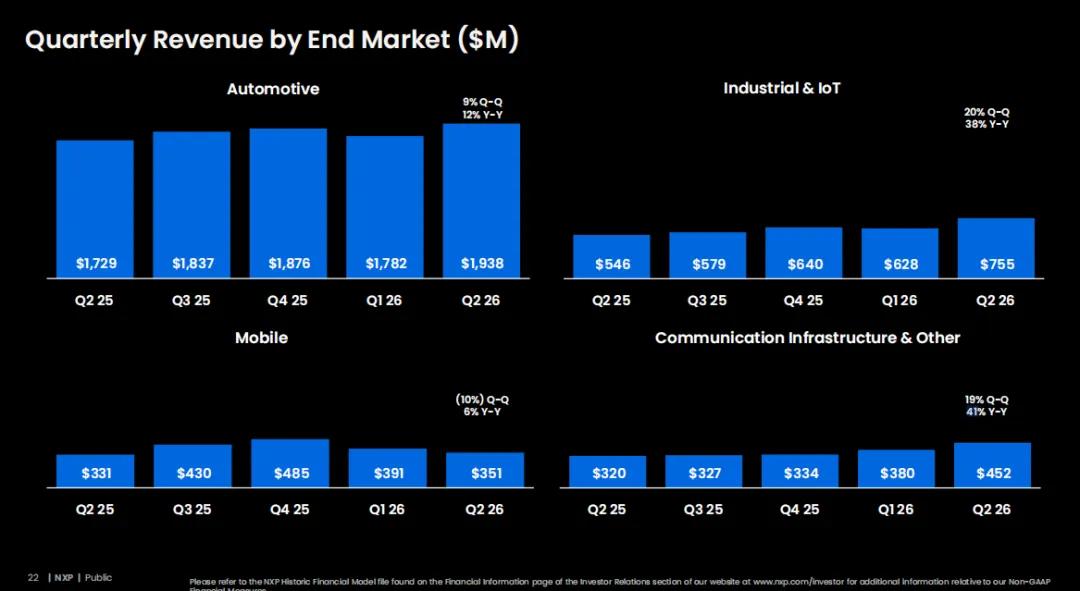
Analog chips are recovering, potentially improving the component supply and cost outlook for AI hardware.
30-Second TL;DR
What Changed
The analog chip market is showing early signs of an upward cycle.
Why It Matters
A recovery in analog semiconductors could ease some component constraints for data centers, edge devices, and AI accelerator systems. It may also improve procurement flexibility, although actual benefits depend on inventory levels and demand across adjacent chip categories.
What To Do Next
Audit the power-management and ADC/DAC components in your next AI hardware bill of materials and request fresh lead-time and pricing quotes from multiple suppliers.
Key Points
- •The analog chip market is showing early signs of an upward cycle.
- •Analog components support power management and data conversion in compute hardware.
- •Improving market conditions could affect AI accelerator board availability and costs.
- •The article does not identify a specific vendor, process node, or product launch.
Deep Insight
AI-generated analysis for this event — not the original article.
Enhanced Key Takeaways
- •The analog semiconductor recovery is being driven by a rebound in industrial and automotive demand, which had previously faced significant inventory corrections throughout 2024 and 2025.
- •Major analog players are increasingly integrating digital control interfaces (such as PMBus and I2C) into power management ICs (PMICs) to meet the complex telemetry requirements of high-TDP AI processors.
- •Silicon Carbide (SiC) and Gallium Nitride (GaN) power devices are experiencing faster adoption rates than traditional silicon-based analog components due to their superior efficiency in high-density AI data center power delivery networks.
- •Inventory levels at major distributors have normalized to pre-2023 levels, reducing the lead times that previously constrained AI hardware manufacturing cycles.
- •The shift toward 'software-defined' analog chips, which allow for remote configuration of voltage and current parameters, is becoming a critical differentiator for vendors supplying hyperscale AI infrastructure.
Technical Deep Dive
- Transition from legacy silicon MOSFETs to Wide Bandgap (WBG) materials like GaN for high-frequency switching in AI server power stages.
- Implementation of advanced digital power control loops to manage transient response times required by AI accelerators during sudden compute load spikes.
- Adoption of heterogeneous integration and advanced packaging (such as embedded die technology) to reduce parasitic inductance in power delivery paths.
- Integration of high-precision data converters (ADCs/DACs) with on-chip DSP capabilities to enable real-time thermal and power monitoring at the rack level.
Future ImplicationsAI analysis grounded in cited sources
Timeline
- 2023-01Analog semiconductor market enters a period of significant inventory correction following post-pandemic oversupply.
- 2024-06Industrial and automotive demand bottoms out, signaling the start of a prolonged destocking phase.
- 2025-12Channel inventory levels reach historical norms, setting the stage for a recovery in order volumes.
- 2026-03Initial uptick in demand for high-performance power management components observed in the AI server supply chain.
Weekly AI Recap
Read this week's curated digest of top AI events →
Related Updates

AI-curated news aggregator. All content rights belong to original publishers.
Original source: 钛媒体 ↗
This is a summary, not the original. Read the source, or get the weekly briefing.
The weekly digest
One email a week. Unsubscribe anytime.