AMD RX 9000 Series Expected to Increase by 10-15%
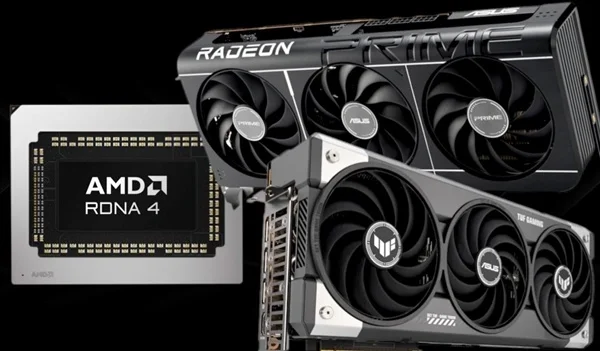
💡Rising GPU prices directly impact the cost of building local AI infrastructure. Stay ahead of hardware budget planning.
⚡ 30-Second TL;DR
What Changed
AMD RX 9000 series price increase of 10-15% expected in Q3 2026
Why It Matters
Rising GPU costs directly increase the barrier to entry for local AI model training and inference. Practitioners should factor in higher hardware capital expenditure for future local cluster builds.
What To Do Next
Re-evaluate your hardware procurement budget for 2026 and consider cloud-based GPU alternatives if local hardware costs become prohibitive.
Key Points
- •AMD RX 9000 series price increase of 10-15% expected in Q3 2026
- •Rising VRAM and memory chip costs are the primary drivers
- •Both AMD and Nvidia have been frequently adjusting GPU pricing due to supply chain volatility
🧠 Deep Insight
AI-generated analysis for this event — not the original article.
🔑 Enhanced Key Takeaways
- •The RX 9000 series is anticipated to utilize the RDNA 5 architecture, marking a significant shift from the RDNA 4 designs seen in previous mid-cycle refreshes.
- •Industry analysts suggest the VRAM cost surge is specifically linked to the aggressive allocation of HBM3e and GDDR7 capacity toward AI-focused data center accelerators.
- •AMD's supply chain strategy for the RX 9000 series involves a transition to TSMC's N3P process node, which has seen higher wafer costs compared to the N4P node used in earlier generations.
- •Retailers have reported that board partners are pushing for higher MSRPs to offset the increased costs of advanced cooling solutions required for the higher TDPs of the flagship RX 9000 models.
- •Market data indicates that AMD is attempting to balance the price hike by bundling software services or game titles to maintain perceived value for consumers.
📊 Competitor Analysis▸ Show
| Feature | AMD RX 9000 Series (Est.) | Nvidia RTX 50-Series | Intel Battlemage (High-End) |
|---|---|---|---|
| Architecture | RDNA 5 | Blackwell | Xe3-HPG |
| Memory Type | GDDR7 | GDDR7 | GDDR7 |
| Pricing Strategy | 10-15% Increase | Premium Tiering | Aggressive Value |
| Target Segment | Enthusiast/Gaming | Enthusiast/AI-Hybrid | Mid-to-High Range |
🛠️ Technical Deep Dive
- Architecture: Built on RDNA 5, focusing on improved ray tracing efficiency and AI-driven upscaling integration.
- Memory: Transition to GDDR7 memory modules to support higher bandwidth requirements for 4K and 8K gaming workloads.
- Process Node: Utilization of TSMC N3P (3nm) lithography to optimize power-to-performance ratios.
- Interconnect: Implementation of advanced chiplet packaging to reduce latency between the GPU die and memory controllers.
🔮 Future ImplicationsAI analysis grounded in cited sources
⏳ Timeline
Weekly AI Recap
Read this week's curated digest of top AI events →
👉Related Updates


AI-curated news aggregator. All content rights belong to original publishers.
Original source: cnBeta (Full RSS) ↗
This is a summary, not the original. Read the source, or get the weekly briefing.
Weekly AI briefing
One email a week. Unsubscribe anytime.