Alibaba Launches Token-Centric AI Hub
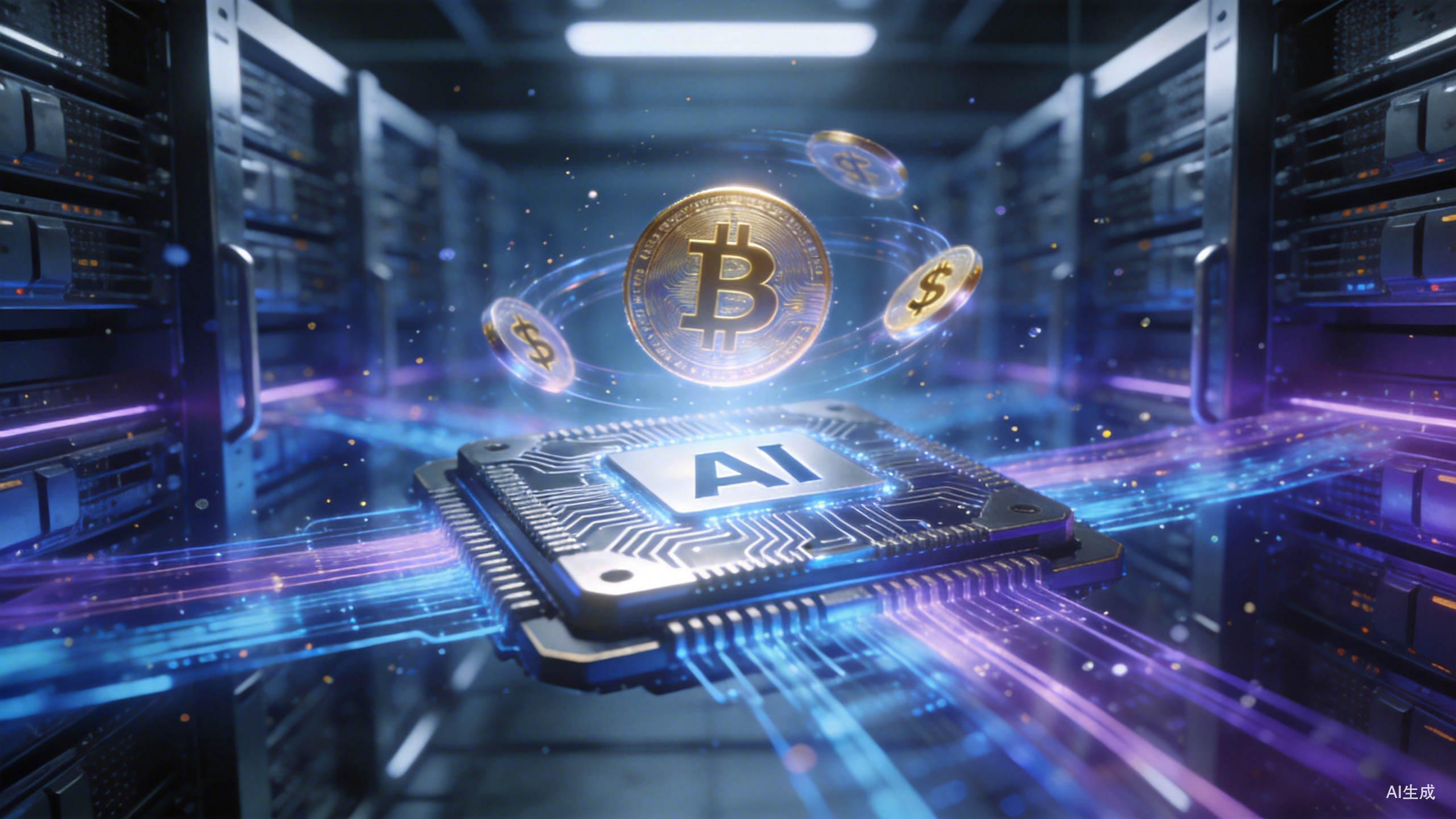
💡Alibaba's Token Hub unifies AI into platform moat—watch for enterprise API shifts
⚡ 30-Second TL;DR
What Changed
ATH covers five units: Tongyi Lab, MaaS, Qwen, AI Innovation, and Wukong B-end platform.
Why It Matters
ATH signals Alibaba's pivot to Token-driven AI platforms, potentially challenging leaders like ByteDance by unifying resources and fostering ecosystem stickiness. This could accelerate enterprise AI adoption via standardized Token economics.
What To Do Next
Test Alibaba Qwen models via ATH MaaS platform for Token-based pricing benchmarks.
Key Points
- •ATH covers five units: Tongyi Lab, MaaS, Qwen, AI Innovation, and Wukong B-end platform.
- •Focuses on Token as AI's basic unit for consumption-based business model.
- •Follows e-commerce and cloud platformizations, centralizing AI amid internal talent churn.
- •Emulates ByteDance's Volcano Engine Token usage growth to 50T daily.
🧠 Deep Insight
Background and context from public sources — not the original article. 5 sources cited.
🔑 Enhanced Key Takeaways
- •Alibaba's Token Hub consolidates five distinct units (Tongyi Laboratory, MaaS, Qwen, Wukong, and AI Innovation) under a single organizational structure led directly by CEO Eddie Wu, representing a top-level business group equivalent to Alibaba Cloud and e-commerce divisions[3].
- •The reorganization follows the recent departure of Lin Junyang, head of Qwen's AI model division, marking the third senior departure from that unit in 2026, suggesting internal talent challenges that the restructuring aims to address[4].
- •Alibaba is simultaneously preparing an enterprise AI agent based on Qwen that could be announced within days, designed to help companies manage computers, web browsers, and cloud servers with integrated data security safeguards[2].
- •The Token Hub's organizing mission—'create tokens, deliver tokens and apply tokens'—reflects a shift toward consumption-based monetization where tokens represent the fundamental computational units generated by LLMs, positioning Alibaba to compete in the emerging token economy[3].
- •CEO Eddie Wu has pledged over $53 billion in AI investment as part of Alibaba's broader strategy to position artificial intelligence as a major driver of future growth, with quarterly earnings expected to provide additional details on Token Hub's contribution to monetization[2][4].
📊 Competitor Analysis▸ Show
| Aspect | Alibaba Token Hub | ByteDance Volcano Engine | DeepSeek/Zhipu AI |
|---|---|---|---|
| Organizational Structure | Unified AI division under CEO leadership | Separate cloud/AI infrastructure unit | Distributed model development |
| Core Focus | Token-centric consumption model for enterprise AI | Token usage growth (50T daily reported) | Cost-efficient LLM development |
| Target Market | Enterprise workflows (DingTalk integration) + consumer apps | Cloud infrastructure + enterprise clients | Global adoption via cost advantage |
| Key Products | Qwen models, AI agents, Wukong B-end platform | Cloud services, model inference | Open-source models |
| Competitive Advantage | Integrated e-commerce/cloud ecosystem | Established token monetization scale | Lower operational costs |
| Recent Momentum | Restructuring amid talent departures | Proven token economy scaling | Rapid global adoption |
🔮 Future ImplicationsAI analysis grounded in cited sources
⏳ Timeline
📎 Sources (5)
Factual claims are grounded in the sources below. Forward-looking analysis is AI-generated interpretation.
- indexbox.io — Alibaba Consolidates AI Operations Under New Alibaba Token Hub Unit
- benzinga.com — Alibaba Unveils Token Hub to Consolidate AI Efforts
- scmp.com — Alibaba Reshuffles AI Units New Token Hub Group Led CEO Eddie Wu
- pulse2.com — Alibaba CEO Eddie Wu to Lead New AI Focused Alibaba Token Hub Business Group Says Report
- mlq.ai — Alibaba Consolidates AI Operations Under New Token Hub Division Led by CEO
Weekly AI Recap
Read this week's curated digest of top AI events →
👉Related Updates
AI-curated news aggregator. All content rights belong to original publishers.
Original source: 虎嗅 ↗
This is a summary, not the original. Read the source, or get the weekly briefing.
Weekly AI briefing
One email a week. Unsubscribe anytime.