🐯虎嗅•Stalecollected in 21m
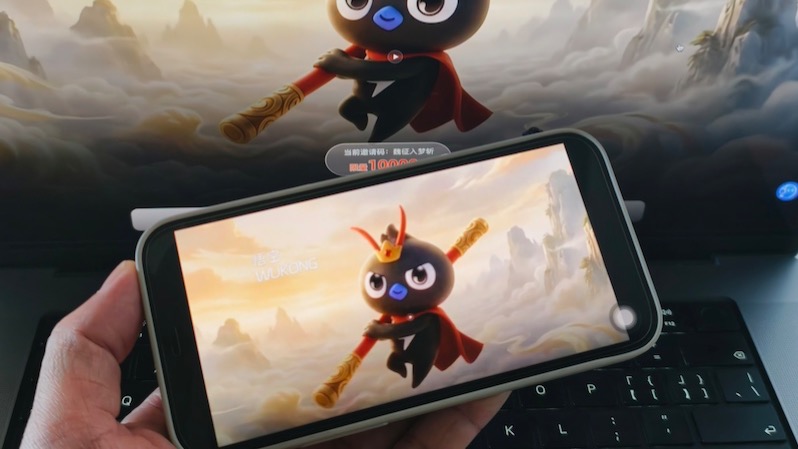
Alibaba Fuses DingTalk into Wukong AI Hub
💡Alibaba's CLI AI OS rethinks enterprise tokens, vertical focus
⚡ 30-Second TL;DR
What Changed
DingTalk integrates as channel for standalone Wukong AI OS
Why It Matters
Strengthens Alibaba's enterprise AI via flexible infrastructure. Promotes vertical models, token economy mimicking nature for sustainable growth.
What To Do Next
Experiment with Wukong CLI for multi-model enterprise agents.
Who should care:Enterprise & Security Teams
Key Points
- •DingTalk integrates as channel for standalone Wukong AI OS
- •Full CLI rewrite enables all ops via commands, OS-like
- •Monetizes via tokens or Real hardware, prioritizes business value
🧠 Deep Insight
AI-generated analysis for this event — not the original article.
🔑 Enhanced Key Takeaways
- •Wukong AI OS introduces a 'Kernel-Agent' architecture where DingTalk serves as the primary interaction layer while the Wukong kernel manages cross-application permissions and state persistence across enterprise silos.
- •The 'Token Hub' features a 'Value-Based Tokenomics' engine that shifts billing from raw character counts to successful task completion, utilizing an internal 'Token Arbitrage' system to route tasks to the most cost-effective model (Qwen-Max vs. Qwen-Turbo).
- •The CLI-based rewrite utilizes a proprietary 'Natural Language to Shell' (NL2S) engine, allowing legacy ERP and CRM systems to be controlled via semantic commands without requiring native API upgrades.
- •Hardware monetization is centered on the 'Wukong Node,' a dedicated NPU-accelerated edge server designed for data-sensitive industries to run the AI OS locally while maintaining a sync with the Token Hub for global updates.
📊 Competitor Analysis▸ Show
| Feature | Alibaba Wukong AI Hub | Microsoft Copilot + Teams | ByteDance Lark (Feishu) AI |
|---|---|---|---|
| Primary Interface | CLI-First / OS-based | GUI-First / Sidebar | Chat-Centric / Workflow |
| Monetization | Value-based Tokens & Hardware | Per-user Monthly Subscription | Usage-based / Tiered SaaS |
| Architecture | Decentralized Hub (Multi-model) | Centralized Azure Ecosystem | Integrated AnyCross Engine |
| Hardware Integration | Proprietary 'Wukong Node' Edge | Surface/PC NPU (Client-side) | None (Cloud-only) |
| Target Market | B2B Vertical Industrial/Gov | General Enterprise/Office | Tech-forward SME/Creative |
🛠️ Technical Deep Dive
- •Semantic Command Mapping: Translates natural language inputs into executable JSON schemas for cross-platform workflow orchestration.
- •Long-Term Memory Blocks (LTMB): A specialized vector database layer that maintains context and user preferences across different enterprise departments to prevent 'hallucination drift' in long-running tasks.
- •Zero-Trust Token Access: A security protocol where AI agents are issued temporary, scoped tokens that expire upon task completion, ensuring no persistent access to sensitive databases.
- •Multi-Model Orchestration: An abstraction layer that allows the Wukong OS to hot-swap underlying LLMs based on latency requirements and computational cost without breaking the CLI interface.
🔮 Future ImplicationsAI analysis grounded in cited sources
Shift from SaaS to AaaS (Agent-as-a-Service)
By prioritizing a CLI-based OS over a traditional UI, Alibaba is positioning the platform for autonomous agent execution rather than human-in-the-loop interaction.
Fragmentation of the 'Super App' model
Decoupling DingTalk's communication features from the Wukong AI logic suggests that the UI will eventually become an optional 'skin' for a headless enterprise AI kernel.
Rise of Private AI Infrastructure
The emphasis on 'Real hardware' indicates a strategic pivot toward on-premise AI deployments for regulated industries that reject public cloud LLM consumption.
⏳ Timeline
2023-04
Alibaba Cloud announces 'All-in-AI' strategy for all group products
2023-08
DingTalk unveils AI Agent strategy and initial LLM integration
2024-05
Launch of DingTalk 7.6 featuring enhanced workflow automation
2025-03
Alibaba internal reorganization creates the 'Wukong' AI Infrastructure unit
2025-12
Beta testing of the Token Hub unified billing system for enterprise clients
2026-03
Formal merger of DingTalk into Wukong AI Hub as a standalone AI OS
📰
Weekly AI Recap
Read this week's curated digest of top AI events →
👉Related Updates
AI-curated news aggregator. All content rights belong to original publishers.
Original source: 虎嗅 ↗
This is a summary, not the original. Read the source, or get the weekly briefing.
Weekly AI briefing
One email a week. Unsubscribe anytime.