Alibaba Burns ~$11B on Delivery War, AI Infra
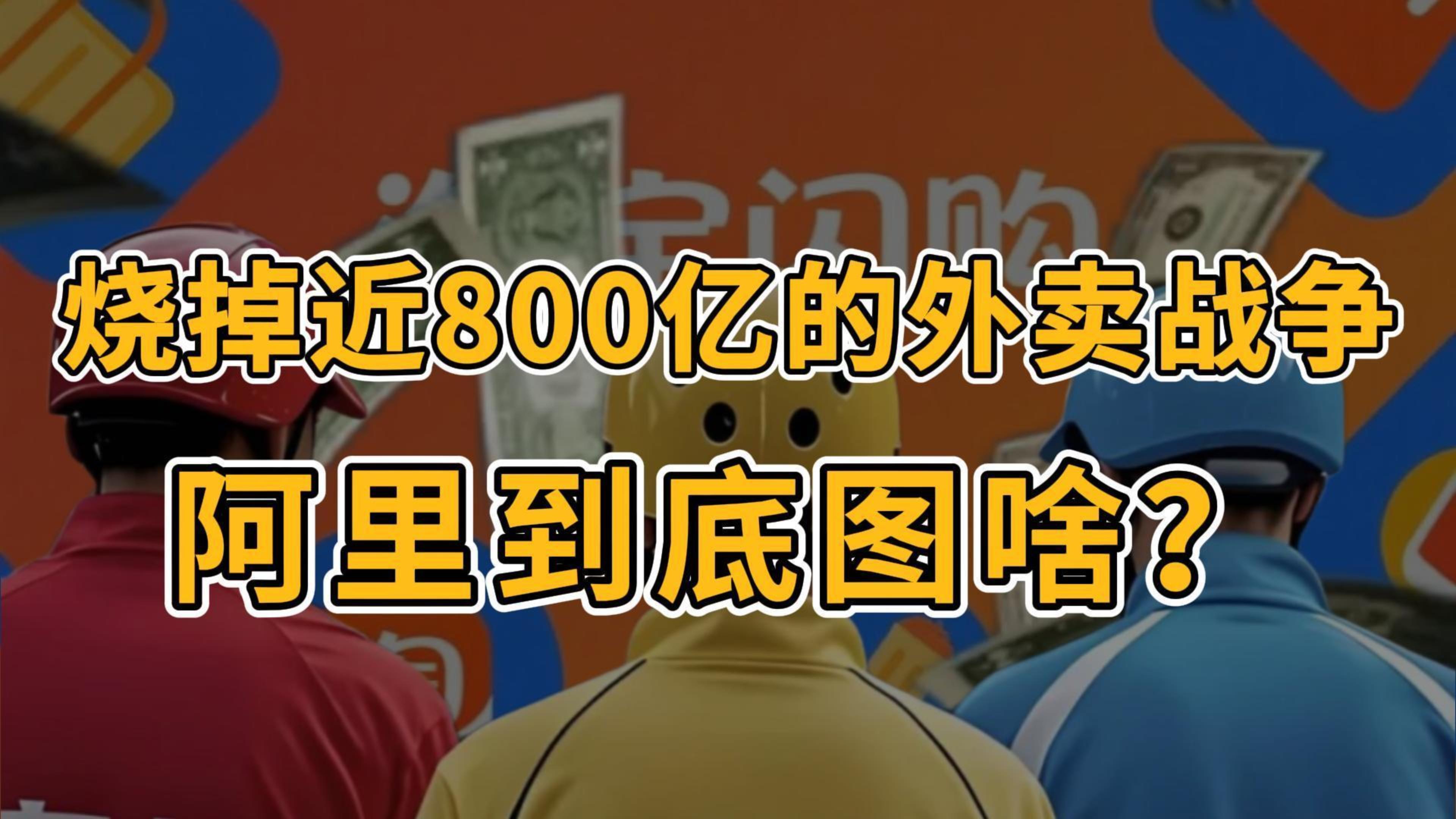
💡Alibaba's $11B AI infra push reveals cloud strategy shifts for devs.
⚡ 30-Second TL;DR
What Changed
Profits dropped >60% in recent financial report dubbed 'thunder'.
Why It Matters
Alibaba's aggressive delivery push challenges Meituan while AI infra spend accelerates cloud AI services, benefiting enterprise users with advanced compute. Signals big tech prioritizing AI amid consumer bets.
What To Do Next
Check Alibaba Cloud console for new AI infra pricing amid their spending surge.
Key Points
- •Profits dropped >60% in recent financial report dubbed 'thunder'.
- •Near 80B RMB (~$11B) torched in food delivery competition subsidies.
- •Parallel heavy outlay on AI base construction amid strategy shift.
🧠 Deep Insight
AI-generated analysis for this event — not the original article.
🔑 Enhanced Key Takeaways
- •Alibaba's local services division, primarily Ele.me and Amap, is facing intensified pressure from Douyin's aggressive entry into the food delivery and lifestyle services market, necessitating higher customer acquisition costs.
- •The AI infrastructure investment is heavily focused on the 'Tongyi Qianwen' (Qwen) model ecosystem, with significant capital expenditure allocated to high-end GPU procurement and the construction of large-scale data centers to support enterprise-level cloud AI adoption.
- •Market analysts suggest this 'thunder' earnings report reflects a strategic pivot where Alibaba is sacrificing short-term margins to defend its core e-commerce market share while simultaneously attempting to establish a dominant position in the Chinese generative AI infrastructure stack.
📊 Competitor Analysis▸ Show
| Feature | Alibaba (Local Services/AI) | Meituan | Douyin (ByteDance) |
|---|---|---|---|
| Core Strategy | Ecosystem integration (Cloud + Retail) | Operational efficiency/Logistics | Traffic-driven conversion |
| AI Focus | Qwen (LLM) + Cloud Infra | Autonomous delivery/Logistics AI | Content recommendation/AIGC |
| Market Position | Challenger in local services | Incumbent leader | Rapidly growing disruptor |
🛠️ Technical Deep Dive
- Qwen Model Architecture: Utilizes a Transformer-based architecture with Mixture-of-Experts (MoE) scaling to optimize inference costs for enterprise cloud clients.
- Infrastructure: Massive deployment of H800/H20 GPU clusters within Alibaba Cloud's 'PAI' (Platform for AI) to support large-scale model training and fine-tuning.
- Local Services Optimization: Implementation of real-time route optimization algorithms and demand-forecasting models powered by proprietary graph neural networks to reduce delivery latency.
🔮 Future ImplicationsAI analysis grounded in cited sources
⏳ Timeline
Weekly AI Recap
Read this week's curated digest of top AI events →
👉Related Updates

AI-curated news aggregator. All content rights belong to original publishers.
Original source: 虎嗅 ↗
This is a summary, not the original. Read the source, or get the weekly briefing.
The weekly digest
One email a week. Unsubscribe anytime.