AITO M9 2026 Spotted with Next-Gen LiDAR
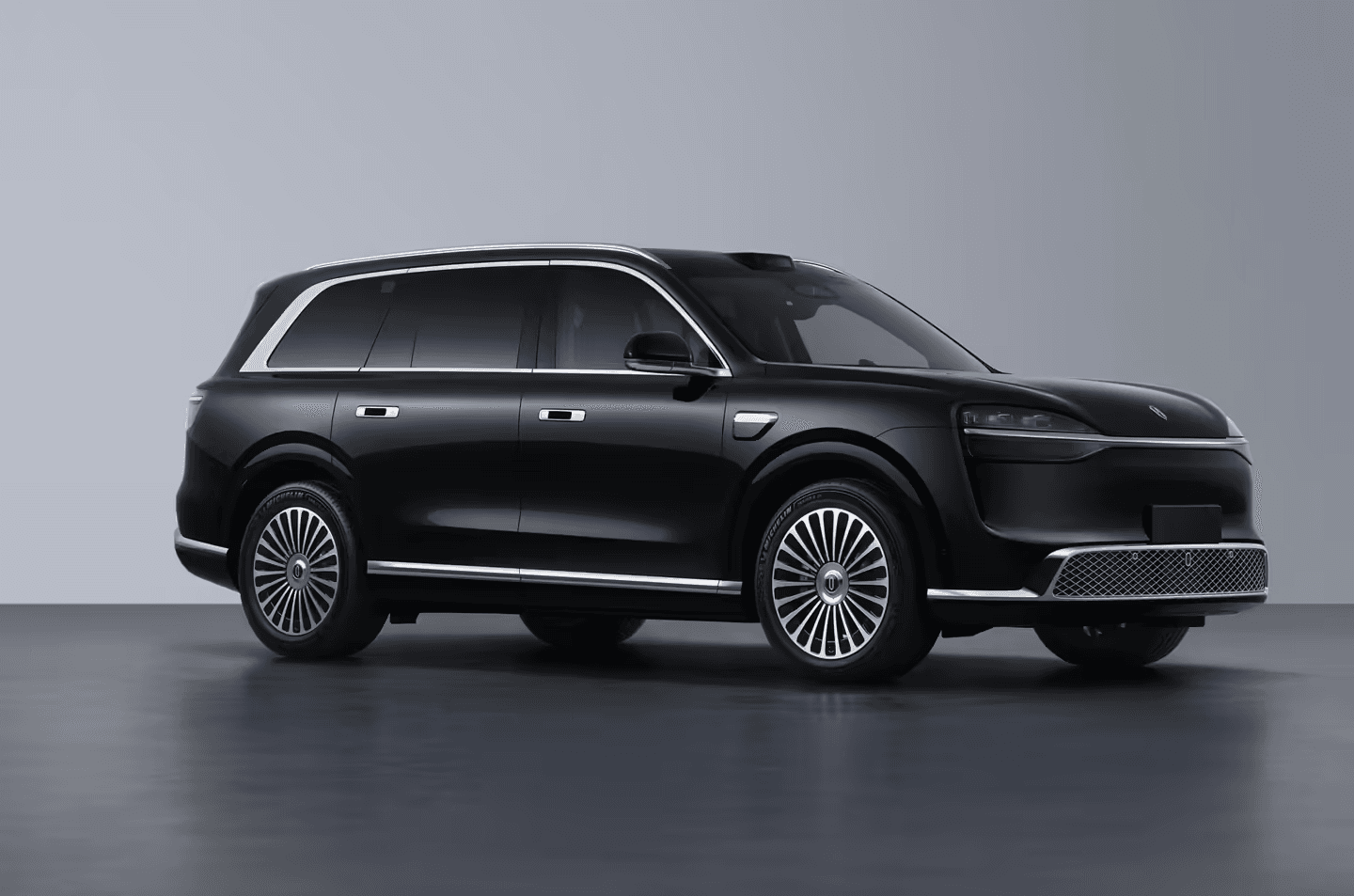
Huawei next-gen LiDAR upgrade boosts AV perception hardware.
30-Second TL;DR
What Changed
2026 AITO M9 spotted uncamouflaged on public roads
Why It Matters
Upgraded LiDAR enhances perception for Huawei's autonomous driving stack, positioning AITO competitively in smart SUV market. Signals ongoing hardware iteration for AI-reliant ADAS.
What To Do Next
Review Huawei developer docs for LiDAR integration APIs in AV projects.
Key Points
- •2026 AITO M9 spotted uncamouflaged on public roads
- •Redesigned door handles and angular body profile
- •Equipped with Huawei next-gen image-grade LiDAR
Deep Insight
AI-generated analysis for this event — not the original article.
Enhanced Key Takeaways
- •The next-gen LiDAR is expected to be part of Huawei's ADS 4.0 (Autonomous Driving System) suite, which reportedly shifts from traditional point-cloud processing to end-to-end neural network architecture.
- •The 2026 M9 refresh is rumored to integrate Huawei's 'Qiankun' intelligent automotive solution, focusing on deeper synergy between the vehicle's chassis control and the intelligent driving perception layer.
- •Market analysts suggest the design tweaks, specifically the more angular profile, are intended to improve aerodynamic efficiency to offset the power draw of the upgraded sensor suite and maintain range parity.
Competitor Analysis
- AITO M9 (2026)
- Huawei ADS 4.0
- Li Auto L9 (2026)
- Li AD Max 3.0
- NIO ES8 (2026)
- NIO NAD
- AITO M9 (2026)
- Next-Gen Image-Grade
- Li Auto L9 (2026)
- 128-line LiDAR
- NIO ES8 (2026)
- 128-line LiDAR
- AITO M9 (2026)
- EREV/BEV
- Li Auto L9 (2026)
- EREV
- NIO ES8 (2026)
- BEV
- AITO M9 (2026)
- ¥469,800+
- Li Auto L9 (2026)
- ¥429,800+
- NIO ES8 (2026)
- ¥498,000+
| Feature | AITO M9 (2026) | Li Auto L9 (2026) | NIO ES8 (2026) |
|---|---|---|---|
| Autonomous Tech | Huawei ADS 4.0 | Li AD Max 3.0 | NIO NAD |
| LiDAR Type | Next-Gen Image-Grade | 128-line LiDAR | 128-line LiDAR |
| Powertrain | EREV/BEV | EREV | BEV |
| Est. Starting Price | ¥469,800+ | ¥429,800+ | ¥498,000+ |
Technical Deep Dive
- LiDAR Architecture: Transition to 'Image-Grade' implies higher resolution and frame rates, likely utilizing 1550nm laser technology for longer detection range (up to 300m+).
- Perception Engine: Integration with Huawei's HarmonyOS Cockpit and ADS 4.0, utilizing a unified compute platform (likely MDC 810 or successor) for sensor fusion.
- Aerodynamics: The angular profile adjustments are designed to lower the drag coefficient (Cd), critical for maintaining efficiency in the heavy SUV segment.
Future ImplicationsAI analysis grounded in cited sources
Timeline
- 2023-12AITO M9 officially launched in China, marking the brand's entry into the luxury SUV segment.
- 2024-02AITO M9 deliveries commence, quickly becoming a top-selling luxury SUV in the Chinese market.
- 2024-09Huawei announces the 'Qiankun' brand for its intelligent automotive solutions, signaling a shift in branding for its vehicle tech.
- 2025-05AITO M9 reaches cumulative sales milestone of 100,000 units.
Weekly AI Recap
Read this week's curated digest of top AI events →
Related Updates




AI-curated news aggregator. All content rights belong to original publishers.
Original source: Pandaily ↗
This is a summary, not the original. Read the source, or get the weekly briefing.
The weekly digest
One email a week. Unsubscribe anytime.