AI-powered simulators redefine personal storytelling and world-building
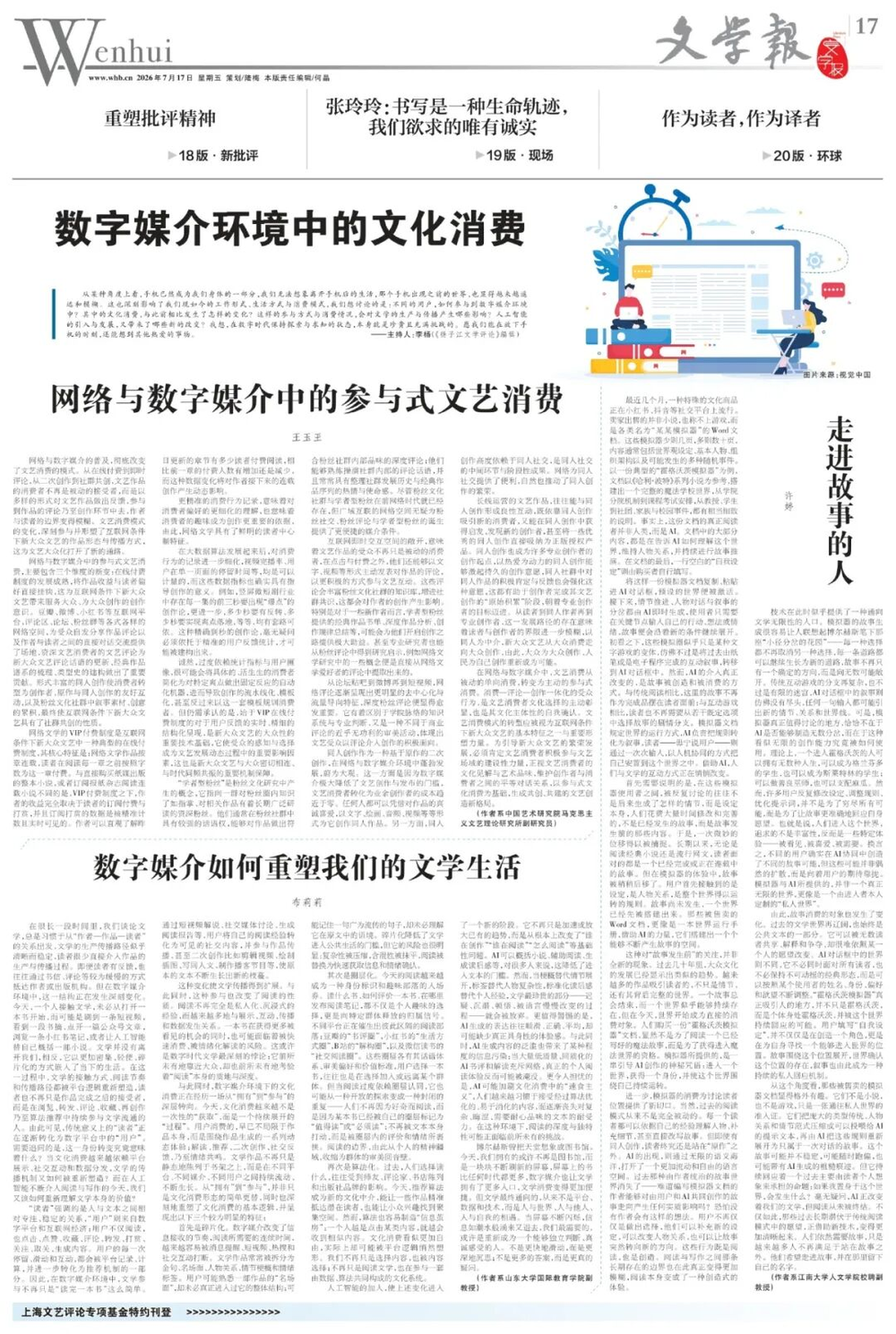
💡Explore how structured prompt engineering is transforming AI into a personalized, interactive storytelling engine.
⚡ 30-Second TL;DR
What Changed
Users are selling 'simulator' prompts that define world-building rules for AI models.
Why It Matters
This signals a fundamental change in how content is consumed and created, moving towards 'personalized media' where the narrative is uniquely tailored to the user's psychological needs.
What To Do Next
Experiment with building 'system prompt' libraries that define complex, persistent world states to improve the depth of your AI agent's roleplay capabilities.
Key Points
- •Users are selling 'simulator' prompts that define world-building rules for AI models.
- •AI acts as a dynamic engine to generate narratives based on user-defined constraints.
- •The focus shifts from consuming finished stories to customizing the rules of a world.
- •This represents a new form of human-AI collaborative literature and personal expression.
🧠 Deep Insight
AI-generated analysis for this event.
🔑 Enhanced Key Takeaways
- •The 'simulator' prompt architecture leverages System Prompt Injection and Chain-of-Thought (CoT) reasoning to enforce strict adherence to user-defined narrative constraints, preventing model drift.
- •Marketplaces for these prompts, such as PromptBase and specialized Discord communities, have evolved to include 'versioning' and 'patch notes' for narrative rulesets, treating story worlds as software products.
- •Advanced simulators now incorporate 'State Tracking' mechanisms where the AI maintains a persistent JSON or vector database of world variables (e.g., character relationships, inventory, historical events) to ensure long-term narrative consistency.
- •The shift toward simulator-based storytelling has triggered a new copyright debate regarding whether the 'world-building rules' (the prompt) or the 'generated output' (the story) constitutes the primary intellectual property.
- •Integration with multimodal models allows these simulators to dynamically generate assets like character portraits, background music, and environmental maps in real-time, creating a fully immersive multimedia experience.
📊 Competitor Analysis▸ Show
| Feature | AI Simulator Prompts | Traditional Interactive Fiction (Twine/ChoiceScript) | Generative Game Engines (e.g., Inworld AI) |
|---|---|---|---|
| Flexibility | High (Dynamic) | Low (Static/Branching) | High (Dynamic) |
| Technical Barrier | Low (Prompt Engineering) | Medium (Scripting) | High (SDK/API Integration) |
| Cost | Low (Prompt Purchase) | Free/Low | High (Subscription/API Usage) |
| Consistency | Variable (Model Dependent) | High (Hard-coded) | High (Engine Managed) |
🛠️ Technical Deep Dive
- Architecture: Utilizes Large Language Models (LLMs) with extended context windows (128k+ tokens) to store world state and narrative history.
- State Management: Employs RAG (Retrieval-Augmented Generation) to pull relevant world lore from vector databases based on user input.
- Constraint Enforcement: Uses Few-Shot Prompting and negative constraints to prevent the AI from breaking character or world logic.
- Latency Optimization: Implements streaming inference and speculative decoding to reduce the time between user input and narrative generation.
🔮 Future ImplicationsAI analysis grounded in cited sources
⏳ Timeline
Weekly AI Recap
Read this week's curated digest of top AI events →
👉Related Updates



AI-curated news aggregator. All content rights belong to original publishers.
Original source: 虎嗅 ↗