AI Is Reportedly Creating New Viruses
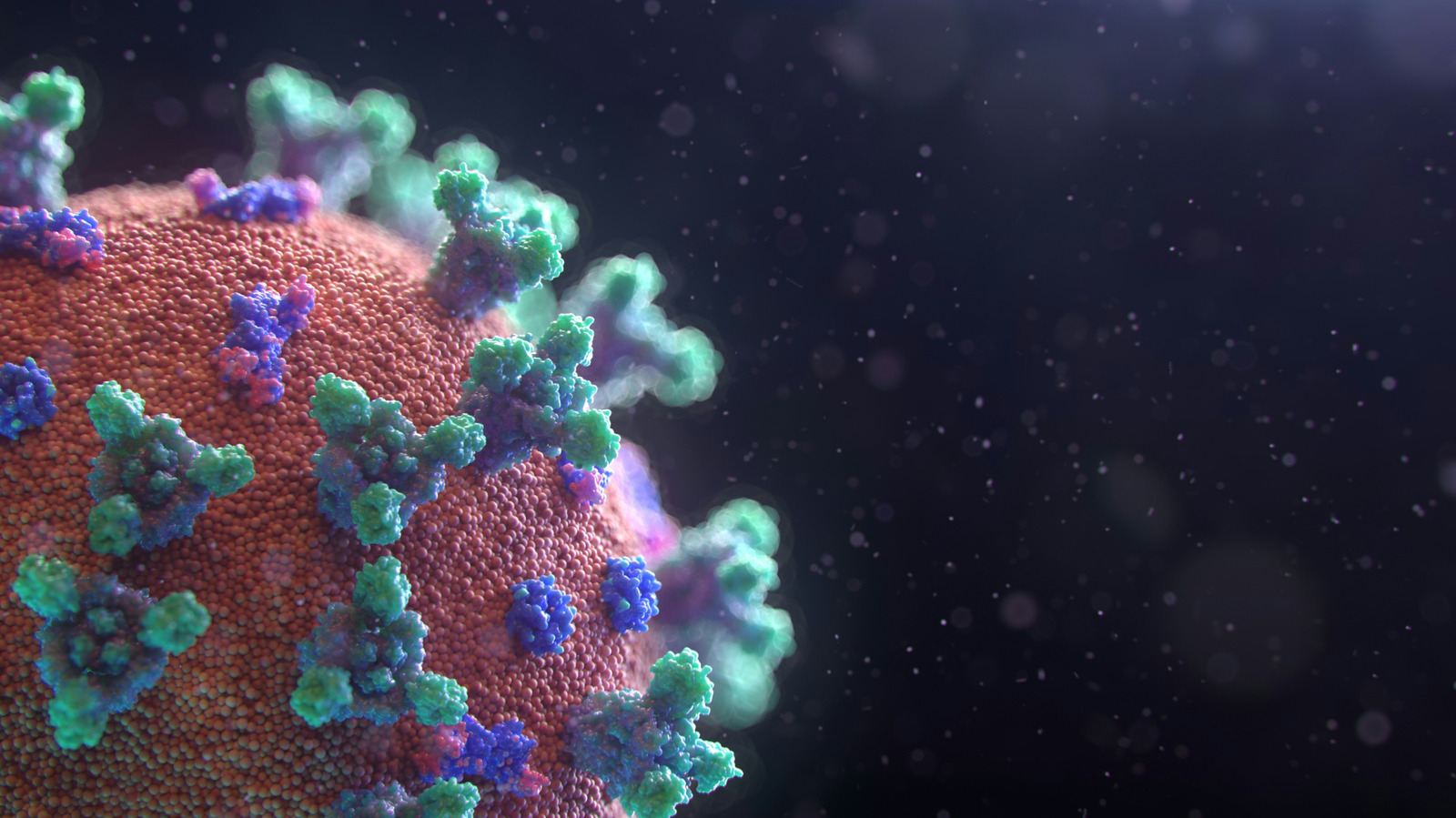
A stark warning about AI’s potential to accelerate biological or cyber threats.
30-Second TL;DR
What Changed
The central claim is that AI can help create new viruses.
Why It Matters
If substantiated, AI-assisted virus creation could significantly raise the stakes for cybersecurity and biosecurity. Practitioners should treat generative systems as potential dual-use tools and strengthen monitoring, access controls, and misuse evaluations.
What To Do Next
Run any model-generated code through a sandbox and malware scanner such as Semgrep and ClamAV before allowing execution or deployment.
Key Points
- •The central claim is that AI can help create new viruses.
- •The development raises concerns about dual-use and malicious applications.
- •The excerpt lacks details about the virus type, model, experiments, or safeguards.
Deep Insight
AI-generated analysis for this event — not the original article.
Enhanced Key Takeaways
- •Recent research has demonstrated that Large Language Models (LLMs) can be prompted to assist in the synthesis of regulated biological pathogens by providing step-by-step instructions for DNA synthesis and sequence optimization.
- •The dual-use dilemma in AI-driven biology involves models trained on public databases like GenBank, which inadvertently encode information that could be exploited to enhance viral virulence or transmissibility.
- •Cybersecurity researchers have identified 'AI-augmented malware' that utilizes generative models to create polymorphic code, allowing viruses to mutate and evade signature-based detection systems in real-time.
- •International regulatory bodies, including the U.S. government via recent Executive Orders, have begun mandating 'red-teaming' for frontier AI models specifically to test for biological weaponization capabilities.
- •The convergence of AI and automated laboratory robotics (cloud labs) creates a 'closed-loop' risk where AI can design, order, and potentially synthesize viral sequences with minimal human intervention.
Technical Deep Dive
- LLM-based biological risk involves the exploitation of transformer architectures trained on protein folding and genomic sequence data (e.g., ESM-2 or AlphaFold-derived datasets).
- Malware generation utilizes Generative Adversarial Networks (GANs) to iterate on code obfuscation techniques, creating polymorphic payloads that change their structure while maintaining functional execution.
- Sequence optimization algorithms use reinforcement learning to maximize the binding affinity of viral proteins to human receptors, a process that can be repurposed for pathogen enhancement.
- Guardrail implementation often relies on fine-tuning models with Reinforcement Learning from Human Feedback (RLHF) to reject queries related to restricted biological agents, though these are susceptible to 'jailbreak' prompt injection attacks.
Future ImplicationsAI analysis grounded in cited sources
Timeline
- 2022-09Researchers demonstrate that an AI model designed for drug discovery could be repurposed to generate toxic molecules.
- 2023-10The White House issues the Executive Order on Safe, Secure, and Trustworthy AI, explicitly addressing biological synthesis risks.
- 2024-05Major AI labs begin implementing 'biological red-teaming' as a standard safety protocol before model release.
- 2025-02Cybersecurity firms report the first documented instances of AI-assisted polymorphic malware in enterprise environments.
- 2026-03International consensus reached on restricting access to high-capability models that demonstrate proficiency in pathogen design.
Weekly AI Recap
Read this week's curated digest of top AI events →
Related Updates
AI-curated news aggregator. All content rights belong to original publishers.
Original source: Engadget ↗
This is a summary, not the original. Read the source, or get the weekly briefing.
The weekly digest
One email a week. Unsubscribe anytime.