AI Hardware Evolves Beyond Imagination at AWE
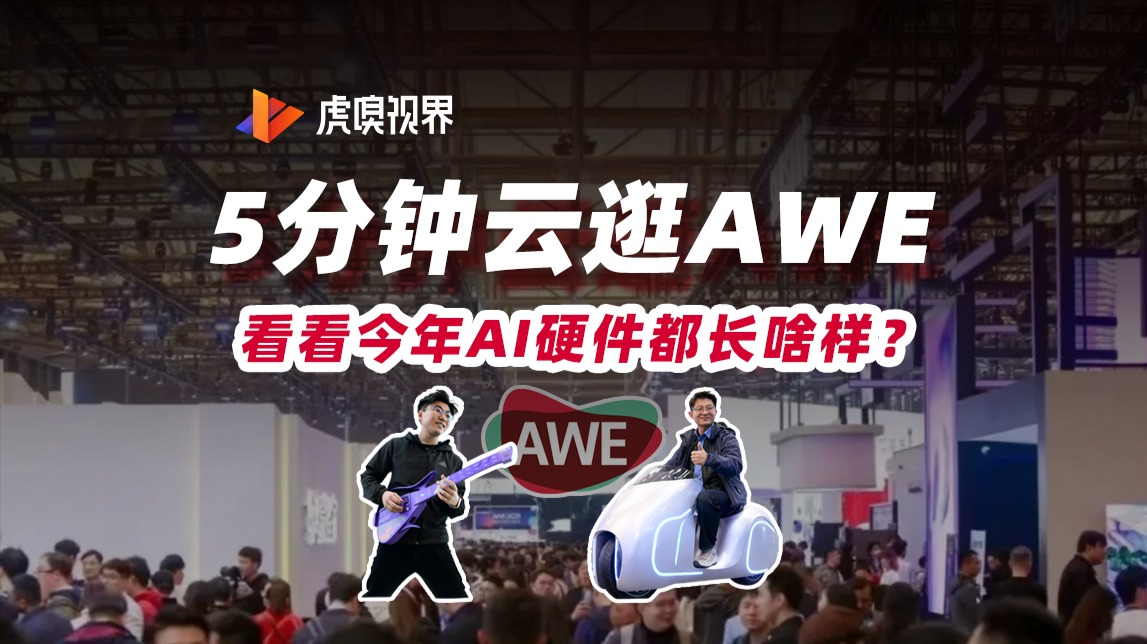
💡AI hardware at AWE blurs tech-daily life lines for new app ideas.
⚡ 30-Second TL;DR
What Changed
AI pillow automatically adjusts to protect cervical spine
Why It Matters
Accelerates AI adoption in consumer hardware, creating new opportunities for edge AI applications and IoT integrations.
What To Do Next
Browse AWE exhibitor sites for AI hardware SDKs to prototype consumer integrations.
Key Points
- •AI pillow automatically adjusts to protect cervical spine
- •AI bartender creates personalized mood-based cocktails
- •AI glasses provide real-time cooking instructions
- •AWE reveals AI's pervasive integration into appliances
🧠 Deep Insight
Background and context from public sources — not the original article. 8 sources cited.
🔑 Enhanced Key Takeaways
- •AWE 2026 in Shanghai features a 'one exhibition, two zones' format for the first time, with the main venue spanning 13 halls across 170,000 square meters and a parallel sub-exhibition zone at Shanghai Eastern Hub offering visa-free entry for international participants[2]
- •The 2026 expo marks a strategic shift from AI's 2025 focus on chat and content creation to 'embodied AI'—autonomous agents and humanoid robots designed for real-world task execution, including robots performing martial arts demonstrations[3]
- •Over 1,200 domestic and international companies are participating, with major exhibitors including Haier, Huawei, Sony, LG, and emerging AI hardware firms like Unitree and MagicLab showcasing robots previously featured at the 2026 CCTV Spring Festival Gala[1][2]
- •AI hardware integration now spans five core sectors: intelligent terminals, smart mobility, health technology, embodied intelligence, and computing power infrastructure, with AI glasses positioned as the next-generation personal intelligent portal alongside AI smartphones[2]
🔮 Future ImplicationsAI analysis grounded in cited sources
⏳ Timeline
📎 Sources (8)
Factual claims are grounded in the sources below. Forward-looking analysis is AI-generated interpretation.
Weekly AI Recap
Read this week's curated digest of top AI events →
👉Related Updates
AI-curated news aggregator. All content rights belong to original publishers.
Original source: 虎嗅 ↗
This is a summary, not the original. Read the source, or get the weekly briefing.
Weekly AI briefing
One email a week. Unsubscribe anytime.