AI Ghost Students Scam Millions in US Aid
💡AI fraud nets $90M in student aid—see detection strategies now.
⚡ 30-Second TL;DR
What Changed
AI generates fake profiles using emails, resumes, and images for rapid aid applications.
Why It Matters
Exposes vulnerabilities in low-verification systems to AI-scale fraud, prompting mandatory ID checks and AI detection tools. Raises urgency for AI-era identity verification upgrades.
What To Do Next
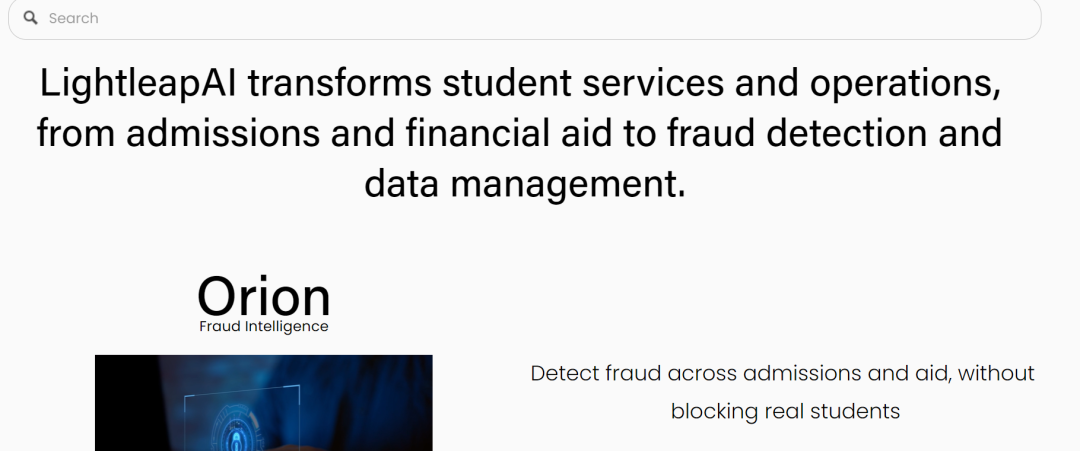
Test LightLeap.AI or similar tools for fraud detection in your identity verification pipelines.
Key Points
- •AI generates fake profiles using emails, resumes, and images for rapid aid applications.
- •Ghost students enroll but vanish after aid payout, leaving empty classrooms.
- •Federal fraud hits $90M; California loses $11M to 223k+ fakes.
- •LightLeap.AI detects fraud; some districts have 60%+ ghost applicants.
🧠 Deep Insight
Background and context from public sources — not the original article. 8 sources cited.
🔑 Enhanced Key Takeaways
- •LightLeap AI has been deployed across 50+ colleges nationwide and has processed approximately 5 million admissions applications, flagging nearly 900,000 as potentially fraudulent[4], demonstrating the scale of AI-driven fraud detection infrastructure now operational in US higher education.
- •The fraud detection system uses machine learning models that continuously evolve through feedback loops—incorporating false negatives and false positives into training datasets to adapt to emerging fraudster tactics, with the V1.2 model released in July 2025 showing significant improvements in reducing false negatives[4].
- •California's statewide implementation of LightLeap AI was officially approved by the CCC Chancellor's office[4], representing a coordinated institutional response that enables cross-district collaboration and blacklisting of fraudulent identifiers (IP addresses, SSNs, phone numbers) across the entire community college system[3].
- •The fraud detection framework employs a triangulation approach analyzing multiple data points including age, SSN issuing state, high school state, financial aid reference, intended major, and GPA, with detection rates exceeding 92% effectiveness at individual institutions like West Valley-Mission Community College District[1].
🛠️ Technical Deep Dive
Model Architecture
- •Machine learning model employs triangulation approach cross-referencing multiple data points from applications to uncover hidden links between fraudulent actors[1]
- •Detection identifiers include: age, social security number, issuing state, high school state, financial aid reference, intended major, and GPA as relative weighting factors[3]
- •Fraud detection modules track: emissions fraud (74.8% detection rate), registration fraud (12.6% detection rate), and FASA/financial aid fraud (96.6% detection rate with 3.4% false negative rate)[3]
- •System includes fallback models designed to counteract evolving attack patterns—if a feature disproportionately impacts the final fraud score, the fallback model suppresses that feature's weight to identify additional threat patterns[4]
- •Integration of AI-powered ID verification tools and API enhancements support real-time and asynchronous fraud elimination[4]
- •Continuous learning mechanism: model incorporates false negatives and false positives from partner institutions into training datasets to enhance detection of similar fraud patterns[1]
Deployment Scale
- •Deployed at 36 community colleges across 20 districts as of April 2025[2]
- •Expanded to 50+ colleges nationwide with statewide California implementation approved by CCC Chancellor's office[4]
- •Processed approximately 5 million admissions applications and flagged nearly 900,000 as potentially fraudulent[4]
- •Foothill-De Anza deployment flagged over 200% more suspected fraudsters compared to homespun system[2]
🔮 Future ImplicationsAI analysis grounded in cited sources
⏳ Timeline
📎 Sources (8)
Factual claims are grounded in the sources below. Forward-looking analysis is AI-generated interpretation.
- ednewsdaily.com — California Community Colleges and Lightleap AI Are Kicking Fraudsters Where It Hurts
- voiceofsandiego.org — In Battle Against AI Powered Fraudsters Colleges Turn to New Weapon AI
- youtube.com — Watch
- lightleap.ai — Lightleapai Fraud Detection V12 Release
- lightleap.ai
- lightleap.ai — Modules
- lightleap.ai — Pricing
- eccunion.com — Artificial Intelligence Catches Over 4000 Fraudulent Student Applications at El Camino College
Weekly AI Recap
Read this week's curated digest of top AI events →
👉Related Updates


AI-curated news aggregator. All content rights belong to original publishers.
Original source: 虎嗅 ↗
This is a summary, not the original. Read the source, or get the weekly briefing.
Weekly AI briefing
One email a week. Unsubscribe anytime.