AI Follow-Up Becomes Healthcare's New Must-Have
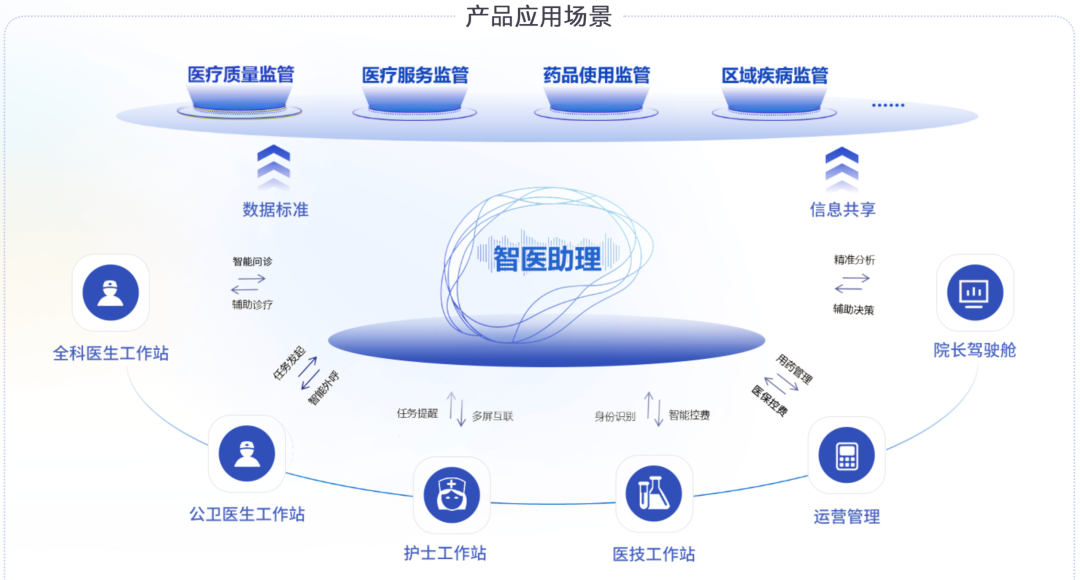
💡AI follow-up is moving from optional automation to a healthcare deployment requirement.
⚡ 30-Second TL;DR
What Changed
Policy document 273 is accelerating demand for AI follow-up services.
Why It Matters
Healthcare AI providers may gain a substantial deployment opportunity as follow-up becomes a required operational capability. Success will depend less on basic automation and more on clinical specialization, workflow integration, and a sustainable payment model.
What To Do Next
Prototype an AI follow-up workflow for one high-volume specialty and measure clinical escalation accuracy, staff time saved, and reimbursement feasibility.
Key Points
- •Policy document 273 is accelerating demand for AI follow-up services.
- •Broader disease coverage and higher case complexity are increasing follow-up workloads.
- •Four categories of market players are already entering the space.
- •Expansion into districts and counties is only an entry requirement; specialty depth and payment closure will determine winners.
🧠 Deep Insight
Background and context from public sources — not the original article. 11 sources cited.
🔑 Enhanced Key Takeaways
- •The industry is shifting from passive automated messaging to 'agentic AI' that proactively coordinates care and generates clinical documentation.
- •Data indicates that healthcare providers responding to patient inquiries within five minutes via AI-driven systems are 21 times more likely to qualify leads.
- •HIPAA compliance remains a significant barrier, with 31% of healthcare practices identifying it as a primary challenge for AI follow-up implementation.
- •Successful deployments are currently defined by the ability to layer intelligence over legacy EHR and revenue cycle management systems rather than replacing them.
- •The global AI healthcare market is experiencing rapid expansion, with projections indicating growth from $39 billion in 2025 to $504 billion by 2032.
🛠️ Technical Deep Dive
- Utilization of agentic AI architectures that function as continuous bridges between EMR data and patient communication channels.
- Integration layers designed to interface with legacy EHR systems to extract patient status without requiring infrastructure overhauls.
- Implementation of automated engagement protocols, such as those seen in Qure.ai's AIRA, which utilize voice or text-based AI agents to drive protocol adherence.
🔮 Future ImplicationsAI analysis grounded in cited sources
📎 Sources (11)
Factual claims are grounded in the sources below. Forward-looking analysis is AI-generated interpretation.
Weekly AI Recap
Read this week's curated digest of top AI events →
👉Related Updates


AI-curated news aggregator. All content rights belong to original publishers.
Original source: 钛媒体 ↗
This is a summary, not the original. Read the source, or get the weekly briefing.
Weekly AI briefing
One email a week. Unsubscribe anytime.