AI Drama Rights Protection Hits a Wall
💡AI drama production is scaling faster than rights protection; the article maps the provenance and liability gaps builder
⚡ 30-Second TL;DR
What Changed
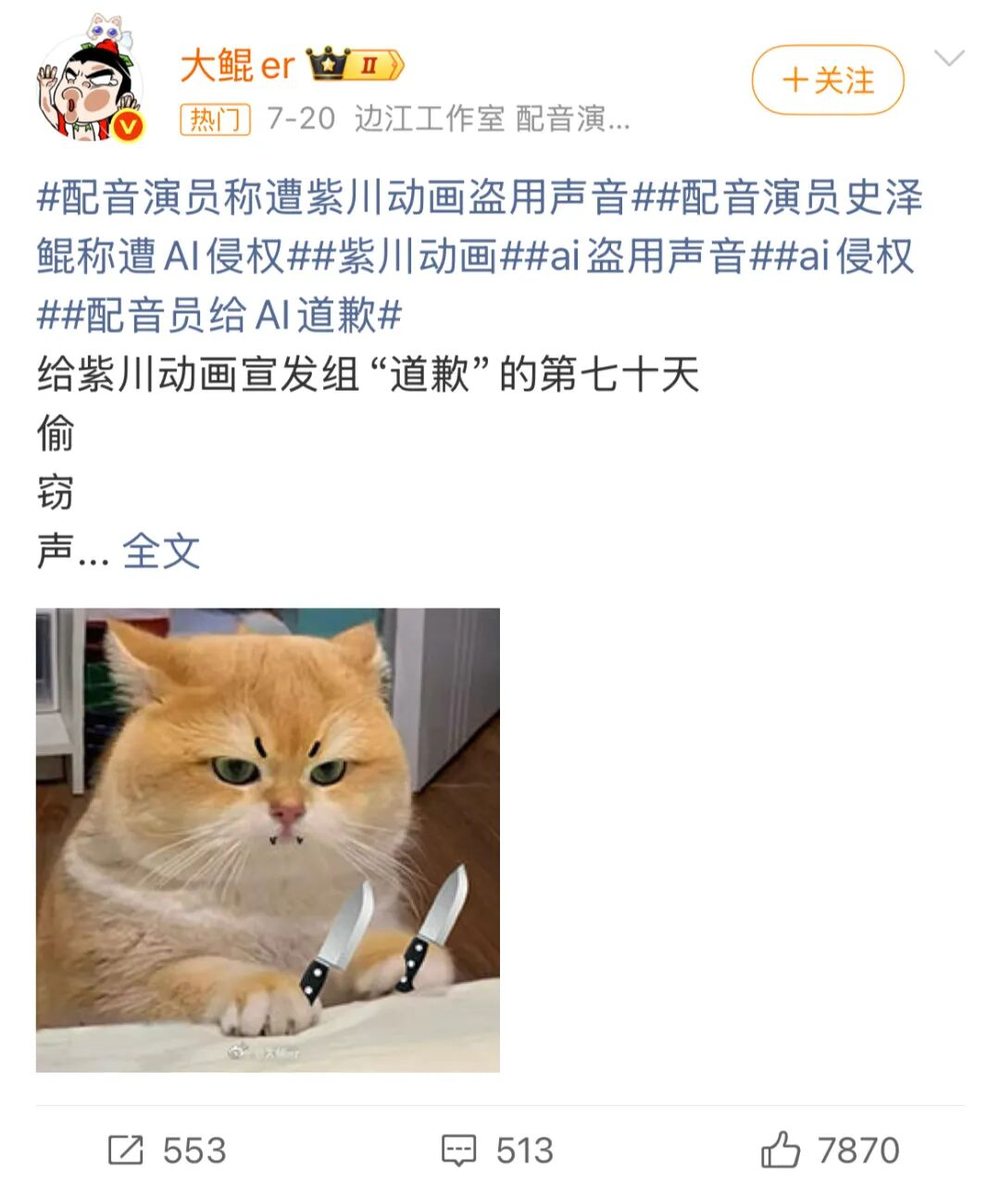
配音演員三石、史澤鯤等指控 AI 劇使用高度相似的合成聲音,涉及未授權聲線與表演風格複製。
Why It Matters
The dispute creates significant legal, reputational, and platform risks for AI content companies. Teams that cannot prove consent and data provenance may face costly takedowns, lawsuits, and loss of creator trust.
What To Do Next
Before shipping an AI voice or image feature, implement C2PA Content Credentials, consent records, dataset provenance logs, and an automated similarity-review queue for flagged outputs.
Key Points
- •配音演員三石、史澤鯤等指控 AI 劇使用高度相似的合成聲音,涉及未授權聲線與表演風格複製。
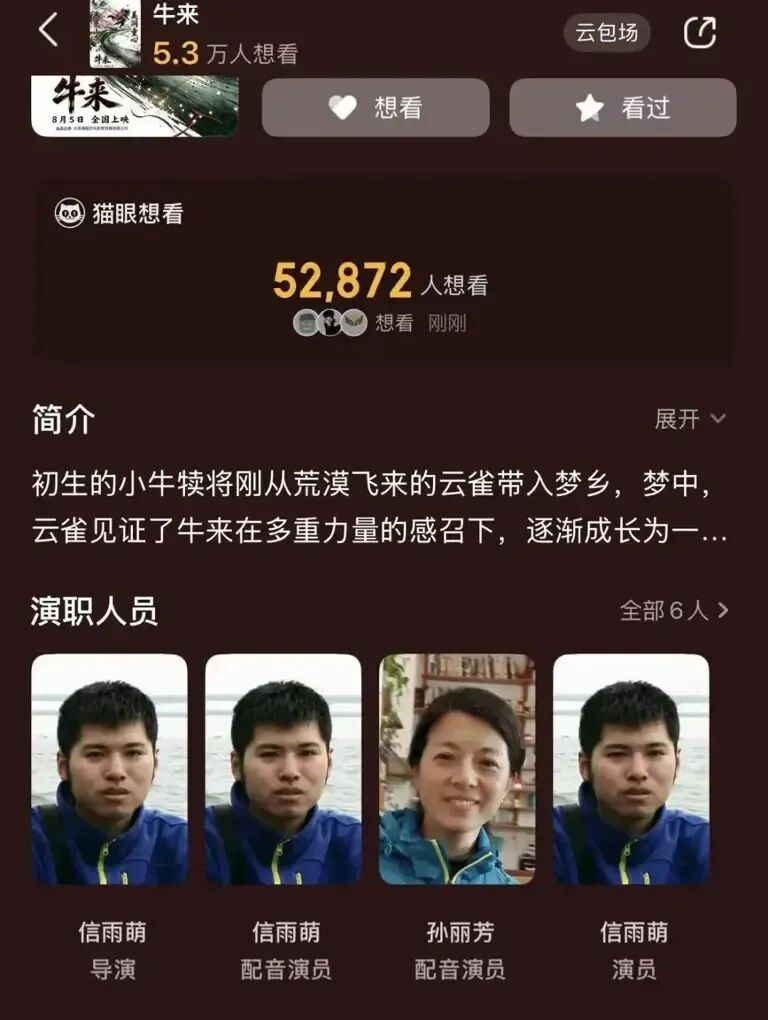
- •《戀與深空》等遊戲角色疑似被 AI 漫劇融臉,藝人形象及素人公開照片也出現遭挪用的案例。
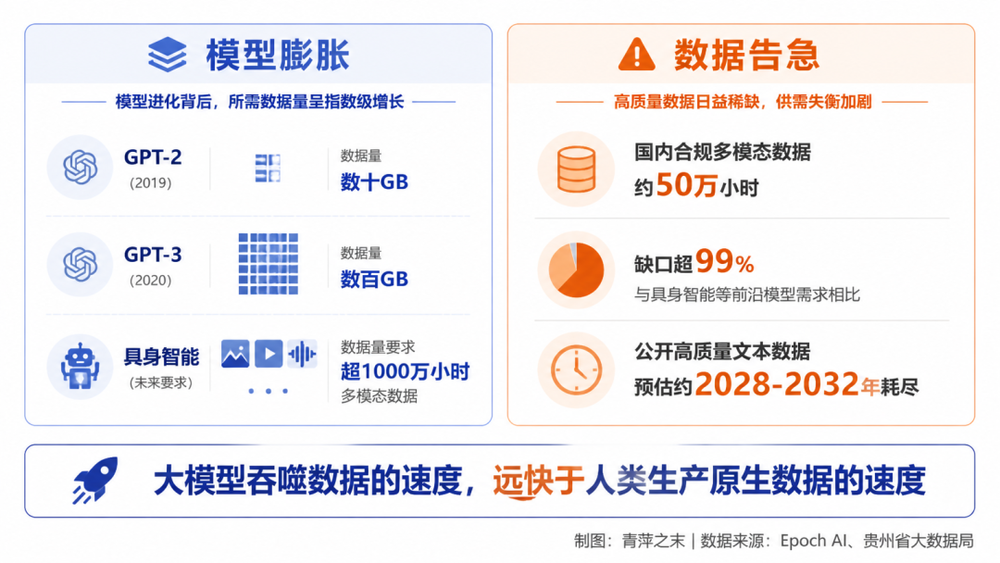
- •模型訓練資料通常不公開,素材爬取方可能隱匿於境外或開源社群,導致侵權源頭難以追溯。
- •侵權責任橫跨素材爬取方、模型、工具平台、短劇製作者、分發平台與廣告方,維權人可能需要逐層起訴。
- •AI 劇月產能據稱已從約五千部增至三萬八千部以上,人工逐部比對與取證幾乎不可行。
🧠 Deep Insight
AI-generated analysis for this event.
🔑 Enhanced Key Takeaways
- •The Chinese government has accelerated the implementation of the 'Interim Measures for the Management of Generative Artificial Intelligence Services,' which now explicitly requires providers to label AI-generated content and verify the legitimacy of training data sources.
- •Recent judicial interpretations in China have begun to clarify that while AI-generated content itself may lack copyright protection, the unauthorized use of a person's 'voiceprint' or 'likeness' constitutes a violation of personality rights under the Civil Code, independent of copyright claims.
- •Major Chinese video platforms, including Douyin and Kuaishou, have introduced 'AI Content Identification' watermarking protocols to assist rights holders in tracking the provenance of suspected infringing short dramas.
- •The rise of 'LoRA' (Low-Rank Adaptation) fine-tuning models has significantly lowered the barrier for unauthorized character cloning, allowing users to create high-fidelity replicas of specific actors or characters with as few as 15-20 source images.
- •Industry associations in China are currently drafting a 'Self-Discipline Convention for AI-Generated Short Dramas' aimed at establishing a centralized database for voice and image authorization to streamline the licensing process.
🛠️ Technical Deep Dive
- AI drama production pipelines typically utilize a multi-stage architecture: RVC (Retrieval-based Voice Conversion) for real-time voice cloning, Stable Diffusion with ControlNet for consistent character generation, and ComfyUI for automated workflow orchestration.
- Voice cloning models often employ VITS (Variational Inference with adversarial learning for end-to-end Text-to-Speech) or So-VITS-SVC, which allow for high-fidelity timbre conversion while preserving the prosody of the original speaker.
- Character consistency is maintained through IP-Adapter and FaceID modules, which inject reference image features into the latent space of diffusion models to prevent identity drift across frames.
- Training data scraping often utilizes automated tools like gallery-dl or yt-dlp to harvest high-resolution frames from existing media, which are then processed via BLIP-2 or LLaVA for automated captioning to create training pairs.
🔮 Future ImplicationsAI analysis grounded in cited sources
⏳ Timeline
Weekly AI Recap
Read this week's curated digest of top AI events →
👉Related Updates
AI-curated news aggregator. All content rights belong to original publishers.
Original source: 虎嗅 ↗