AI Data Centers Emissions Outpace Nations
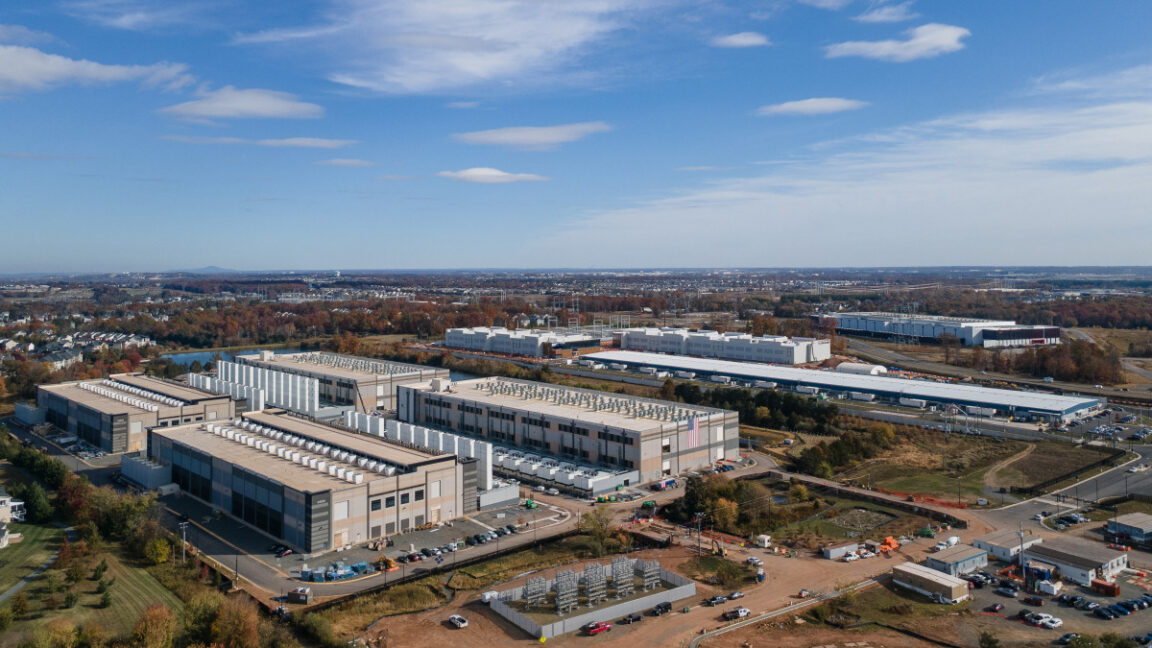
💡AI data centers' emissions to rival nations—vital for sustainable scaling plans.
⚡ 30-Second TL;DR
What Changed
OpenAI, Meta, xAI, Microsoft data centers to emit >129M tons CO2e/year
Why It Matters
Highlights environmental toll of AI scaling, urging sustainable infra strategies. Could spur regulations on data center energy use, impacting expansion costs for AI firms.
What To Do Next
Calculate your model's carbon footprint with MLCO2 library to optimize efficiency.
Key Points
- •OpenAI, Meta, xAI, Microsoft data centers to emit >129M tons CO2e/year
- •Emissions from these plants could exceed entire nations' totals
- •Driven by surging AI compute demands for training and inference
🧠 Deep Insight
AI-generated analysis for this event — not the original article.
🔑 Enhanced Key Takeaways
- •The surge in energy demand is forcing major tech firms to explore nuclear energy, with Microsoft recently signing a 20-year power purchase agreement to restart the Three Mile Island nuclear plant to power its AI data centers.
- •Grid reliability concerns have led to a shift in data center siting strategies, with companies increasingly prioritizing locations with existing high-voltage transmission infrastructure over proximity to urban centers.
- •The industry is seeing a rapid adoption of liquid cooling technologies and AI-optimized power management software to improve Power Usage Effectiveness (PUE) ratios, though these gains are currently being offset by the exponential increase in GPU cluster density.
🛠️ Technical Deep Dive
- •Data center power density is rising from traditional 10-15 kW per rack to over 100 kW per rack to support high-performance AI clusters (e.g., NVIDIA Blackwell systems).
- •Implementation of 'Direct-to-Chip' liquid cooling is becoming the standard for high-density AI training clusters to manage the thermal output of high-TDP (Thermal Design Power) GPUs.
- •Integration of AI-driven 'Smart Grid' load balancing software allows data centers to dynamically shift non-critical compute workloads to off-peak hours to reduce strain on local electrical grids.
🔮 Future ImplicationsAI analysis grounded in cited sources
⏳ Timeline
Weekly AI Recap
Read this week's curated digest of top AI events →
👉Related Updates

AI-curated news aggregator. All content rights belong to original publishers.
Original source: Ars Technica AI ↗
This is a summary, not the original. Read the source, or get the weekly briefing.
The weekly digest
One email a week. Unsubscribe anytime.