AI brain implant restores movement and touch
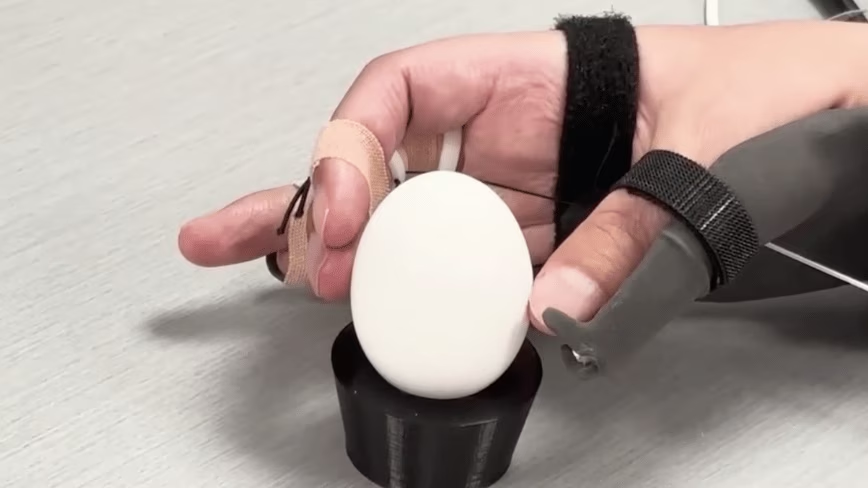
💡Groundbreaking BCI research showing AI-driven neural bypass for restoring complex human sensory and motor functions.
⚡ 30-Second TL;DR
What Changed
System uses a 'double neural bypass' to reconnect the brain and spinal cord.
Why It Matters
This technology paves the way for advanced brain-computer interfaces (BCI) that go beyond simple motor control to include sensory restoration.
What To Do Next
Explore the latest BCI datasets on platforms like Kaggle or Nature's open research repository to understand neural signal decoding.
Key Points
- •System uses a 'double neural bypass' to reconnect the brain and spinal cord.
- •Restored both motor function and sensory feedback for a paralyzed man.
- •Published in Nature Medicine, marking a breakthrough in neuro-AI integration.
🧠 Deep Insight
AI-generated analysis for this event.
🔑 Enhanced Key Takeaways
- •The study utilized a high-density microelectrode array implanted in the motor cortex to decode neural signals, which were then processed by a machine learning algorithm to stimulate the spinal cord.
- •Sensory feedback was achieved through a closed-loop system that stimulated the somatosensory cortex, allowing the patient to 'feel' the pressure of objects being grasped.
- •This research represents a significant advancement over previous 'single' bypass systems by simultaneously addressing both efferent (motor) and afferent (sensory) pathways.
- •The patient involved in the study had a chronic spinal cord injury (SCI) sustained several years prior, demonstrating the potential for neuroplasticity even in long-term paralysis cases.
- •The AI model employed a real-time decoding architecture that adapts to signal drift, a common challenge in long-term brain-computer interface (BCI) stability.
📊 Competitor Analysis▸ Show
| Feature | Double Neural Bypass (Nature Medicine) | Neuralink (Telepathy) | Synchron (Stentrode) |
|---|---|---|---|
| Primary Focus | Restoration of motor & sensory | Communication & device control | Motor control via blood vessels |
| Invasiveness | High (Cortical Implants) | High (Cortical Implants) | Low (Endovascular) |
| Sensory Feedback | Yes (Closed-loop) | No | No |
| Clinical Status | Research/Clinical Trial | Human Trials | Human Trials |
🛠️ Technical Deep Dive
- System Architecture: Utilizes a dual-pathway closed-loop neural interface that bridges the gap between the brain and spinal cord.
- Signal Processing: Employs a machine learning decoder trained on real-time neural firing patterns to predict intended movement.
- Stimulation Protocol: Uses epidural electrical stimulation (EES) on the spinal cord to execute motor commands decoded from the motor cortex.
- Sensory Integration: Implements intracortical microstimulation (ICMS) in the somatosensory cortex to provide artificial tactile feedback.
- Latency: The system operates with sub-100ms latency to ensure the sensory feedback is perceived as synchronous with the motor action.
🔮 Future ImplicationsAI analysis grounded in cited sources
⏳ Timeline
Weekly AI Recap
Read this week's curated digest of top AI events →
👉Related Updates
Same topic
Explore #bci
Same product
More on double-neural-bypass
Same source
Latest from The Next Web (TNW)
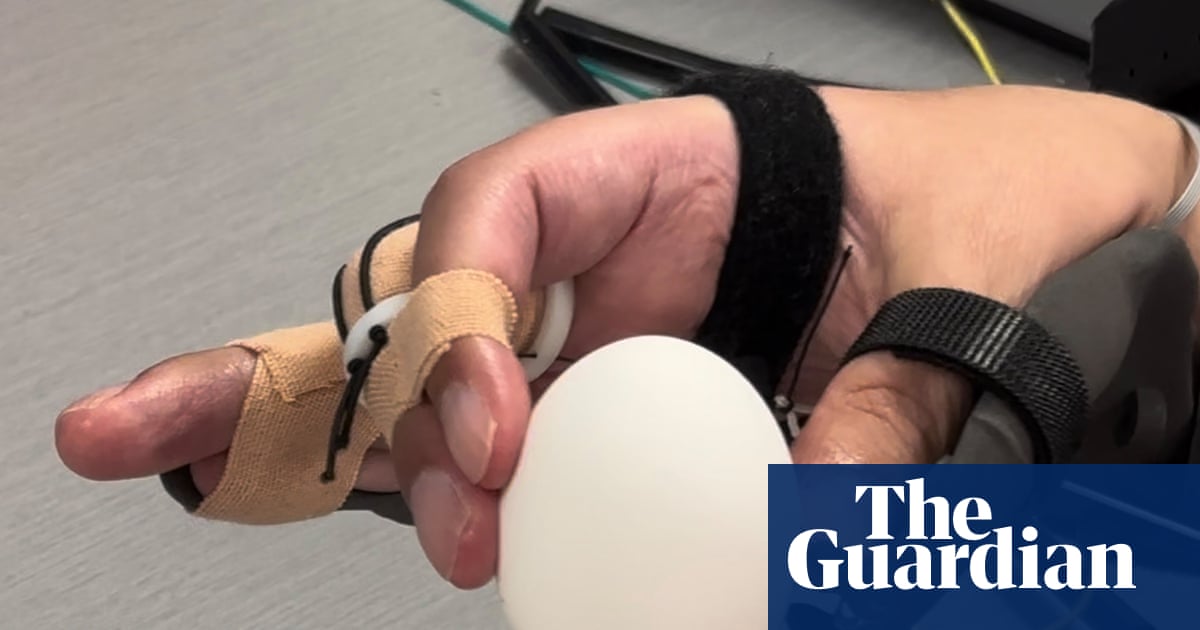
Brain implant restores movement for paralysed patient

Verizon cuts 3,000 jobs as AI replaces customer service

UK abandons VPN restrictions following internal research

Face ID pioneer raises $52M for NeuroAI brain analysis
AI-curated news aggregator. All content rights belong to original publishers.
Original source: The Next Web (TNW) ↗