Affordable AI Glasses See, Hear, and Translate
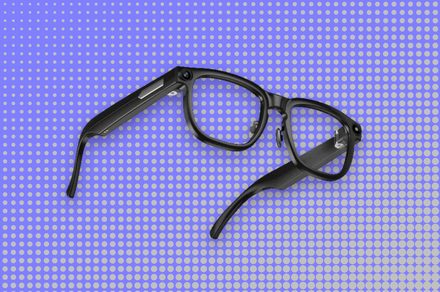
💡A $100 wearable combines camera vision, translation, audio, and voice AI in everyday frames.
⚡ 30-Second TL;DR
What Changed
Priced at $99.99, making multimodal AI wearables more accessible
Why It Matters
The product could lower the price barrier for camera-equipped AI wearables and accelerate experimentation with ambient, hands-free interfaces. For AI practitioners, it signals growing demand for multimodal assistants that operate in real-world contexts.
What To Do Next
Evaluate the glasses’ visual-recognition and translation capabilities with a small field test before designing a hands-free multimodal prototype.
Key Points
- •Priced at $99.99, making multimodal AI wearables more accessible
- •Uses a 12MP Sony camera for visual recognition
- •Supports live translation, voice assistance, and open-ear audio
🧠 Deep Insight
AI-generated analysis for this event.
🔑 Enhanced Key Takeaways
- •The device utilizes a custom-built multimodal large language model (MLLM) optimized for edge processing to minimize latency during real-time translation.
- •Battery life is rated for approximately 4 hours of continuous AI processing, with the included charging case providing an additional 20 hours of power.
- •Privacy features include a physical LED indicator that activates whenever the camera is recording or processing visual data to comply with local regulations.
- •The glasses utilize bone-conduction technology for open-ear audio, allowing users to hear ambient sounds while receiving AI-generated voice feedback.
- •The product is compatible with both iOS and Android ecosystems via a dedicated companion app that handles data syncing and firmware updates.
📊 Competitor Analysis▸ Show
| Feature | $99 AI Glasses | Meta Ray-Ban | Brilliant Labs Frame |
|---|---|---|---|
| Pricing | $99.99 | ~$299+ | ~$349 |
| Camera | 12MP Sony | 12MP Ultra-wide | 1280x720 (No sensor) |
| Primary AI | Custom Edge MLLM | Meta AI | Perplexity/GPT-4 |
| Audio | Open-ear/Bone | Open-ear | N/A |
🛠️ Technical Deep Dive
- Processor: Integrated low-power SoC with dedicated NPU for on-device computer vision tasks.
- Connectivity: Bluetooth 5.3 for low-latency audio and data transmission to the host smartphone.
- Optics: Fixed-focus lens optimized for near-field object recognition and text scanning.
- Sensors: 6-axis IMU for head tracking and gesture-based interaction support.
- Material: Lightweight TR90 thermoplastic frame designed for all-day wearability.
🔮 Future ImplicationsAI analysis grounded in cited sources
⏳ Timeline
Weekly AI Recap
Read this week's curated digest of top AI events →
👉Related Updates


AI-curated news aggregator. All content rights belong to original publishers.
Original source: Digital Trends ↗