Adolescent self-harm crisis: A global data analysis
💡Understand the behavioral patterns behind the global youth mental health crisis to inform safer product design.
⚡ 30-Second TL;DR
What Changed
Adolescent self-harm rates are rising globally at 3.5% annually.
Why It Matters
The findings suggest a need for better digital monitoring and intervention systems for youth, potentially impacting how social media platforms design safety features.
What To Do Next
If building youth-facing apps, integrate sentiment analysis and behavioral triggers to detect signs of distress early.
Key Points
- •Adolescent self-harm rates are rising globally at 3.5% annually.
- •Self-harm is distinct from suicide, often serving as a maladaptive emotional regulation mechanism.
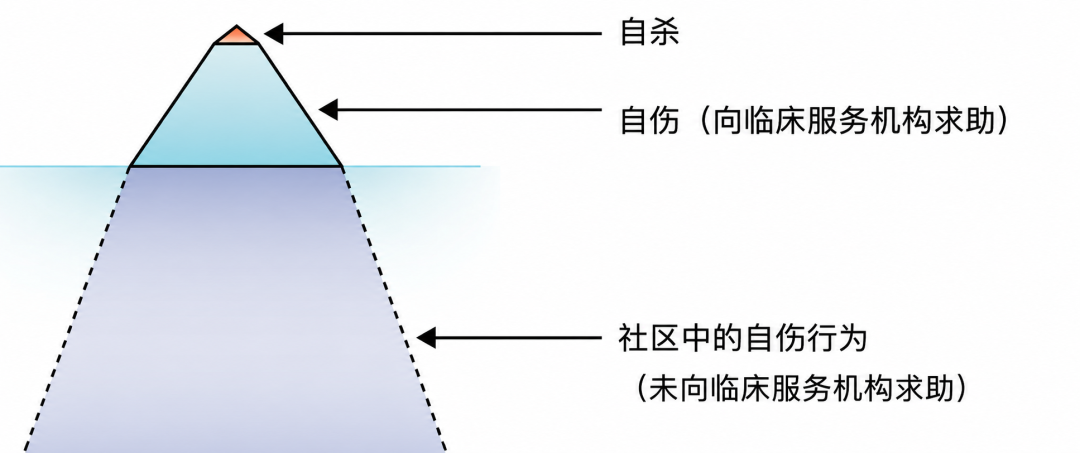
- •The 'iceberg' model suggests reported cases are only 1/10th to 1/20th of actual occurrences.
- •Brain development imbalances during adolescence contribute to impulsive self-harm behaviors.
🧠 Deep Insight
AI-generated analysis for this event — not the original article.
🔑 Enhanced Key Takeaways
- •Digital social contagion, facilitated by algorithmic content recommendation systems on short-video platforms, has been identified as a significant driver in the rapid spread of self-harm ideation among adolescents.
- •Gender disparities in self-harm methods are narrowing, with recent data indicating a sharp increase in non-suicidal self-injury (NSSI) among adolescent males, a demographic previously thought to be at lower risk.
- •The 'digital self-harm' phenomenon, where adolescents anonymously post hurtful comments about themselves online, has emerged as a new, distinct category of self-directed violence requiring different clinical interventions.
- •Longitudinal studies indicate that early-onset NSSI is a strong predictor of future psychiatric comorbidities, including borderline personality disorder and major depressive disorder, in early adulthood.
- •School-based universal prevention programs have shown mixed efficacy, with some studies suggesting that poorly implemented awareness campaigns can inadvertently normalize self-harm behaviors among vulnerable peer groups.
🔮 Future ImplicationsAI analysis grounded in cited sources
⏳ Timeline
Weekly AI Recap
Read this week's curated digest of top AI events →
👉Related Updates


AI-curated news aggregator. All content rights belong to original publishers.
Original source: 虎嗅 ↗
This is a summary, not the original. Read the source, or get the weekly briefing.
Weekly AI briefing
One email a week. Unsubscribe anytime.