Addressing the 'small illness, big repair' industry trap
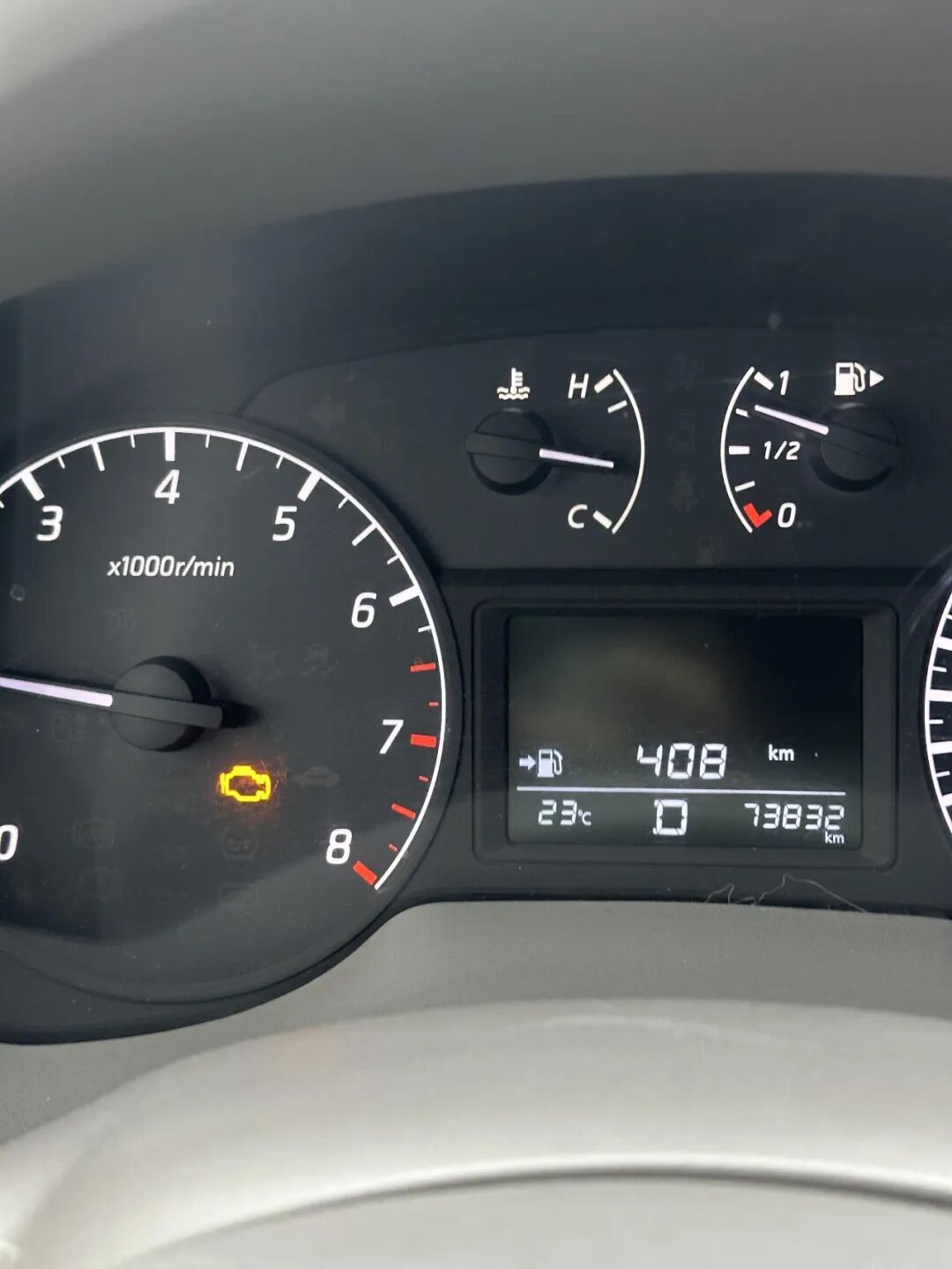
💡See how AI can solve the 'black box' problem in automotive diagnostics and rebuild consumer trust.
⚡ 30-Second TL;DR
What Changed
Industry-wide issue of excessive repair practices
Why It Matters
The lack of trust in diagnostic services creates a massive opportunity for AI-powered, transparent diagnostic tools that provide objective vehicle health reports.
What To Do Next
Build a diagnostic verification tool that cross-references OBD-II error codes with manufacturer specifications to provide an unbiased repair estimate.
Key Points
- •Industry-wide issue of excessive repair practices
- •Lack of transparency in automotive diagnostic processes
- •Five actionable steps to prevent over-servicing
🧠 Deep Insight
Background and context from public sources — not the original article. 6 sources cited.
🔑 Enhanced Key Takeaways
- •The Chinese government has implemented new regulations, effective January 2022, expanding the 'three-guarantee' policy (repair, replacement, return) to include special components of new energy vehicles and strengthening consumer rights regarding cumulative repair days and frequency for quality problems.
- •Great Wall Motor's Chairman, Wei Jianjun, has publicly advocated for a significant overhaul of China's private vehicle inspection system, proposing the integration of On-Board Diagnostics (OBD) and connected vehicle technologies for real-time monitoring to potentially replace certain offline inspections and reduce consumer burden.
- •Great Wall Motor has demonstrated a strong commitment to enhancing after-sales service transparency and customer satisfaction, achieving high rankings in customer experience indices in markets like Thailand through initiatives such as the GWM Smart Service System and a transparent pricing structure.
- •China's antitrust guidelines for the automotive industry, released in February 2020, aim to prevent auto suppliers from imposing unreasonable restrictions on spare parts sales and after-sales services, thereby fostering competition among independent repair shops and ensuring fair access to parts.
- •Wei Jianjun emphasizes 'establishing trust' as a foundational principle for the high-quality growth of China's automotive industry, advocating for a shift from short-term gains to long-term principles, focusing on product quality, and building a symbiotic ecosystem with suppliers.
🔮 Future ImplicationsAI analysis grounded in cited sources
⏳ Timeline
📎 Sources (6)
Factual claims are grounded in the sources below. Forward-looking analysis is AI-generated interpretation.
Weekly AI Recap
Read this week's curated digest of top AI events →
👉Related Updates



AI-curated news aggregator. All content rights belong to original publishers.
Original source: 钛媒体 ↗
This is a summary, not the original. Read the source, or get the weekly briefing.
The weekly digest
One email a week. Unsubscribe anytime.