Accountability for Harmful Smart Glasses Use
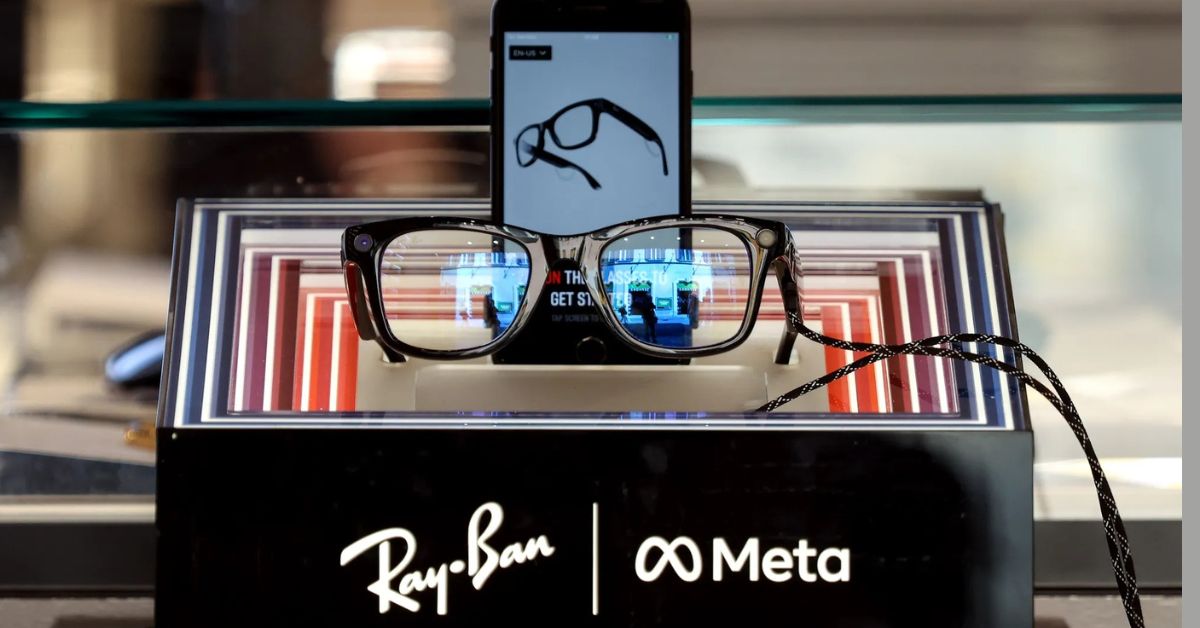
💡Liability risks rise as AI smart glasses become daily wear—plan ahead
⚡ 30-Second TL;DR
What Changed
Smart glasses transitioning to mainstream everyday wearables
Why It Matters
This highlights growing ethical and legal challenges for AI-integrated wearables, potentially leading to new regulations. AI practitioners developing AR/VR products must anticipate liability shifts.
What To Do Next
Review liability insurance for AI features in wearable hardware prototypes.
Key Points
- •Smart glasses transitioning to mainstream everyday wearables
- •Potential misuse includes harassment, exploitation, and defamation
- •Unresolved question on who pays for resulting harms
🧠 Deep Insight
Background and context from public sources — not the original article. 9 sources cited.
🔑 Enhanced Key Takeaways
- •Legal liability frameworks remain fragmented across jurisdictions: two-party consent states (California, Florida, Illinois, Maryland, Massachusetts, Connecticut, Montana, New Hampshire, Pennsylvania, Washington) impose criminal penalties and civil liability for unauthorized recording, while one-party consent states create different accountability standards[1].
- •Biometric data collection through smart glasses triggers heightened regulatory protection under CCPA, BIPA, and GDPR, with the 2024 Charlotte Tilbury settlement establishing precedent that facial geometry processing constitutes biometric data requiring separate notifications and annual consent reaffirmation[2].
- •Smart glasses lack sufficient built-in safeguards: most devices rely on small LED indicators that are easily missed, and legal experts warn these do not satisfy explicit signage requirements in many jurisdictions, creating enforcement and accountability gaps[4].
- •Corporate espionage and data breach risks expand organizational liability exposure: smart glasses can capture trade secrets, intellectual property, and confidential information through AI-powered optical character recognition (OCR) without manual intervention, with data breaches involving biometric or health information carrying outsized legal consequences[3][6].
- •Smart glasses shipments grew 210% in 2024, indicating rapid mainstream adoption that outpaces legal and policy frameworks, creating a compliance vacuum where accountability mechanisms have not yet been clearly established[1][2].
🔮 Future ImplicationsAI analysis grounded in cited sources
⏳ Timeline
📎 Sources (9)
Factual claims are grounded in the sources below. Forward-looking analysis is AI-generated interpretation.
- natlawreview.com — Hidden Legal Minefield Compliance Concerns AI Smart Glasses Part 2 Two Party
- jdsupra.com — The Hidden Legal Minefield Compliance 3197991
- workplaceprivacyreport.com — The Hidden Legal Minefield Compliance Concerns with AI Smart Glasses Part 4 Data Security Breach Notification and Third Party AI Processing Risks
- purduegloballawschool.edu — Smart Glasses Privacy Risks
- helpnetsecurity.com — AI Smart Glasses Privacy Risk
- californiaemploymentlaw.foxrothschild.com — Smart Considerations for the Use of Smart Glasses at Work
- poynerspruill.com — Seeing Trouble the Legal Implications of AI Powered Glasses in the Workplace
- dileaders.com — Wearable Technology in the Workplace Understanding the Legal and Ethical Complexities
- eastcountymagazine.org — AI Glasses Another Potential Power Poses Threats Schools
Weekly AI Recap
Read this week's curated digest of top AI events →
👉Related Updates
AI-curated news aggregator. All content rights belong to original publishers.
Original source: TechCabal ↗
This is a summary, not the original. Read the source, or get the weekly briefing.
Weekly AI briefing
One email a week. Unsubscribe anytime.