A-share companies pivot to AI chips amid market hype
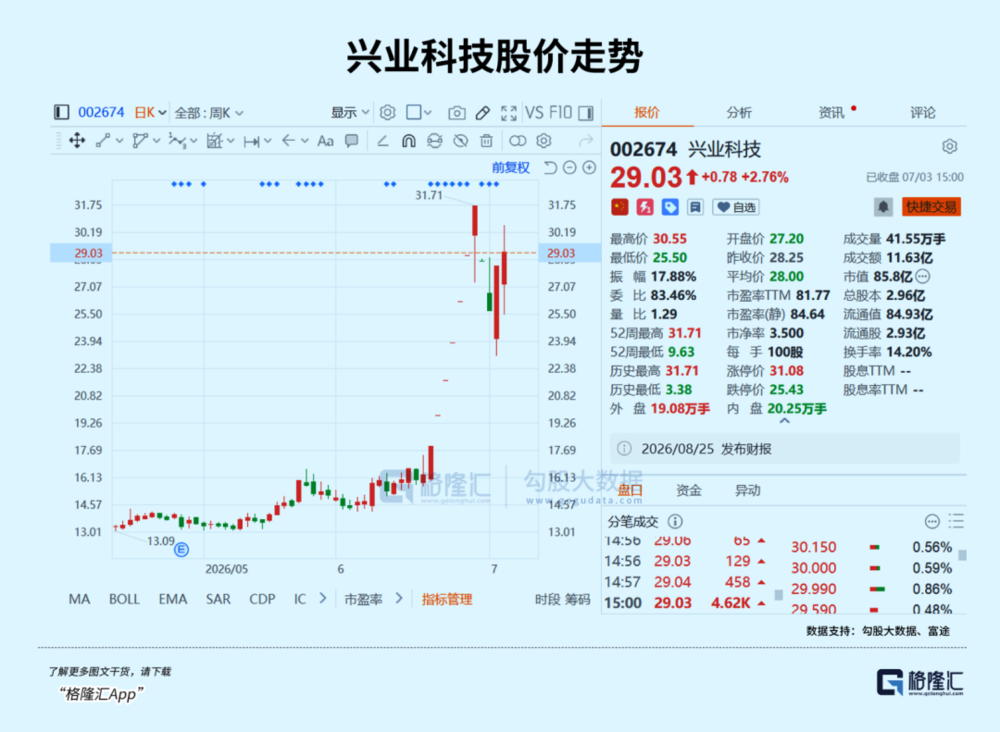
💡Understand the risks behind the 'AI chip' hype and how to distinguish between genuine tech innovation and stock speculat
⚡ 30-Second TL;DR
What Changed
Traditional companies are using small-scale acquisitions to enter the high-barrier semiconductor market.
Why It Matters
This trend highlights the speculative nature of the current AI infrastructure boom in the capital markets. It serves as a cautionary tale for investors and partners evaluating the credibility of new entrants in the semiconductor and AI supply chain.
What To Do Next
When evaluating potential AI hardware partners, perform deep due diligence on their technical team's background and actual R&D output rather than relying on public acquisition announcements.
Key Points
- •Traditional companies are using small-scale acquisitions to enter the high-barrier semiconductor market.
- •Regulatory bodies are tightening oversight on companies using 'tech' concepts to manipulate stock prices.
- •The semiconductor industry requires long-term R&D and high-level technical expertise, making quick pivots difficult for non-tech firms.
- •Market performance of these 'cross-over' companies often shows significant volatility after initial hype-driven gains.
🧠 Deep Insight
AI-generated analysis for this event — not the original article.
🔑 Enhanced Key Takeaways
- •The China Securities Regulatory Commission (CSRC) has implemented 'stricter scrutiny' protocols specifically targeting 'concept-chasing' M&A activities, requiring companies to disclose the technical feasibility and personnel qualifications of acquired semiconductor assets.
- •Data from the Shanghai and Shenzhen stock exchanges indicates that over 60% of companies announcing cross-industry pivots into AI/semiconductors between 2024 and 2026 failed to secure necessary intellectual property rights or patent portfolios within the first 12 months.
- •Local government subsidies for semiconductor projects are increasingly being tied to 'milestone-based' funding rather than upfront capital, which has slowed the pace of speculative acquisitions by non-tech firms.
- •The 'shell company' phenomenon in the A-share market has shifted from traditional real estate or retail pivots to 'AI-compute' service providers, often lacking physical hardware infrastructure and relying on leased cloud capacity.
- •Institutional investors have begun utilizing 'AI-readiness' audit scores to blacklist A-share companies that lack a minimum three-year history of R&D investment in hardware or software engineering.
🔮 Future ImplicationsAI analysis grounded in cited sources
⏳ Timeline
Weekly AI Recap
Read this week's curated digest of top AI events →
👉Related Updates



AI-curated news aggregator. All content rights belong to original publishers.
Original source: 虎嗅 ↗
This is a summary, not the original. Read the source, or get the weekly briefing.
Weekly AI briefing
One email a week. Unsubscribe anytime.