2025 Profit Squeeze in Sportswear Manufacturing
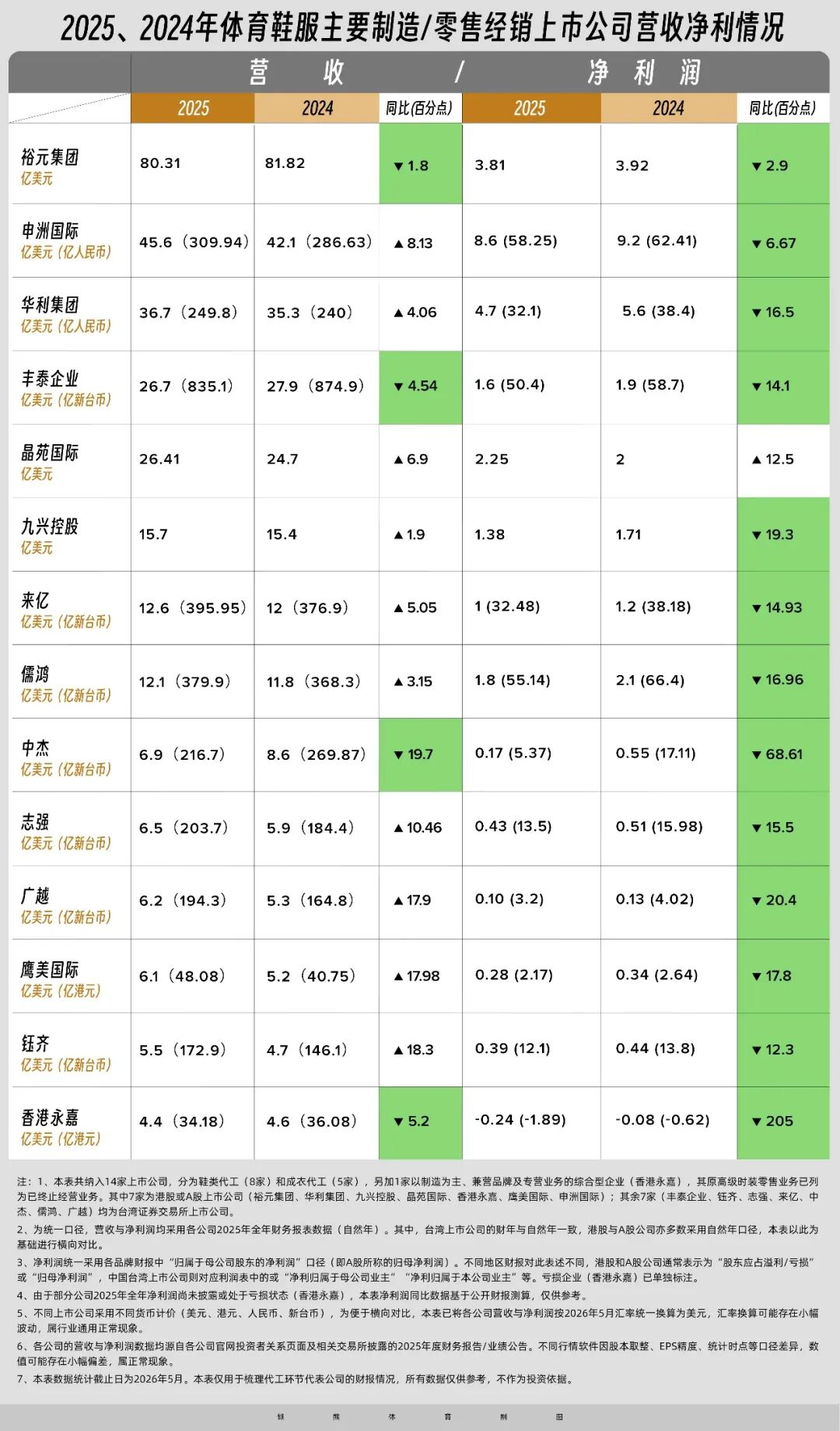
Learn how supply chain shifts and rising costs are forcing a pivot in hardware manufacturing strategies.
30-Second TL;DR
What Changed
New overseas factories are experiencing low efficiency during the 'ramp-up' phase, impacting margins.
Why It Matters
Manufacturers must transition from cost-driven models to product-development-driven models to serve high-growth, demanding new-age brands.
What To Do Next
If you are building hardware, diversify your manufacturing partners and prioritize those with flexible, high-tech production capabilities.
Key Points
- •New overseas factories are experiencing low efficiency during the 'ramp-up' phase, impacting margins.
- •Labor costs in Southeast Asia are rising, eroding the traditional low-cost advantage.
- •High-growth brands like HOKA and On are becoming the new focus for supply chain competition.
- •Product diversification is a key strategy for mitigating risks from traditional brand order volatility.
Deep Insight
Background and context from public sources — not the original article. 25 sources cited.
Enhanced Key Takeaways
- •New overseas factories face significant operational hurdles beyond initial setup, including persistent quality control issues, complex logistics management, and cultural communication barriers that prolong the ramp-up phase and impact overall efficiency.
- •The traditional low-cost advantage in Southeast Asia is further eroded by substantial wage increases, with countries like Vietnam, Indonesia, and the Philippines projected to see significant labor cost hikes in 2025, making India a potential alternative for cheaper labor in the medium term.
- •Beyond order volatility, sportswear manufacturers are grappling with extreme raw material price volatility (e.g., cotton, polyester) and escalating logistics expenses, which, combined with inflationary pressures and potential tariffs, severely compress profit margins.
- •High-growth brands like HOKA and On, while driving demand, are simultaneously increasing pressure on manufacturers for greater transparency, sustainability, and ethical labor practices, requiring significant investment in eco-friendly materials and responsible sourcing.
- •To mitigate risks, manufacturers are increasingly adopting supply chain diversification strategies, such as "China+1" and multi-country sourcing, alongside investments in automation and digitalization to enhance efficiency and responsiveness to geopolitical changes and evolving consumer demands.
Technical Deep Dive
Sportswear manufacturing is increasingly adopting advanced technologies to combat rising costs and efficiency challenges:
- Automation and Robotics: Implementation of robotic sewing machines, automated spreading machines, and digital cutting technologies to increase productivity, reduce waste by up to 25%, and lower reliance on manual labor, potentially saving up to 16% of total costs.
- AI and Machine Learning: Expected to drive innovations in personalized sportswear solutions by analyzing user data for tailored recommendations, potentially increasing consumer satisfaction and product usage by 25%.
- Seamless Technology: Eliminates traditional seams, enhancing both aesthetic and functional aspects of athletic garments, allowing for intricate patterns and unique customization possibilities.
- Smart Textiles: Integration of advanced fabrics designed to interact with the human body, adapting to movement and environmental conditions to enhance athletic performance.
- Digital Transformation: Includes digital sampling, supply chain integration platforms, and the use of CAD/CAM software (e.g., Gerber AccuMark, Lectra Modaris/Diamino Fashion) for design, grading, and marker layout, streamlining processes from design to quality control.
Future ImplicationsAI analysis grounded in cited sources
Timeline
- 19th CenturyEmergence of specialized activewear, laying groundwork for modern sportswear.
- Post-WWII EraIntroduction of synthetic fibers and focus on high-performance athletic apparel.
- 1970s-1990sRise of global sportswear brands and integration of athletic wear into mainstream fashion, leading to the athleisure trend.
- 2010sThe "athleisure revolution" solidifies sportswear's role in everyday fashion, driven by comfort and versatility.
- 2020COVID-19 pandemic exposes vulnerabilities in global apparel supply chains, prompting reassessment of overseas manufacturing reliance.
- 2024-2025Significant increases in labor costs across Southeast Asian manufacturing hubs, eroding traditional low-cost advantages.
Sources (25)
Factual claims are grounded in the sources below. Forward-looking analysis is AI-generated interpretation.
Weekly AI Recap
Read this week's curated digest of top AI events →
AI-curated news aggregator. All content rights belong to original publishers.
Original source: 虎嗅 ↗
This is a summary, not the original. Read the source, or get the weekly briefing.
The weekly digest
One email a week. Unsubscribe anytime.