OpenAI Debuts Cerebras-Powered Codex-Spark
OpenAI introduced GPT-5.3-Codex-Spark, a real-time coding model in Codex. Powered by Cerebras infrastructure for rapid code iteration. Now available to ChatGPT Pro users.
Few direct matches — filled in with the latest updates.
Tag: #cerebras3 results
OpenAI introduced GPT-5.3-Codex-Spark, a real-time coding model in Codex. Powered by Cerebras infrastructure for rapid code iteration. Now available to ChatGPT Pro users.

OpenAI unveiled GPT-5.3-Codex-Spark, its first model running on Cerebras Systems' CS3 AI accelerators. The model delivers 1,000 tokens per second, rivaling Nvidia hardware. It features the world's fastest on-chip memory.

OpenAI launches Codex-Spark on Cerebras chips for >1000 tokens/sec coding, first beyond-Nvidia inference. Optimized for low-latency real-time collaboration with 128k context. Tradeoffs in complex tasks for speed.
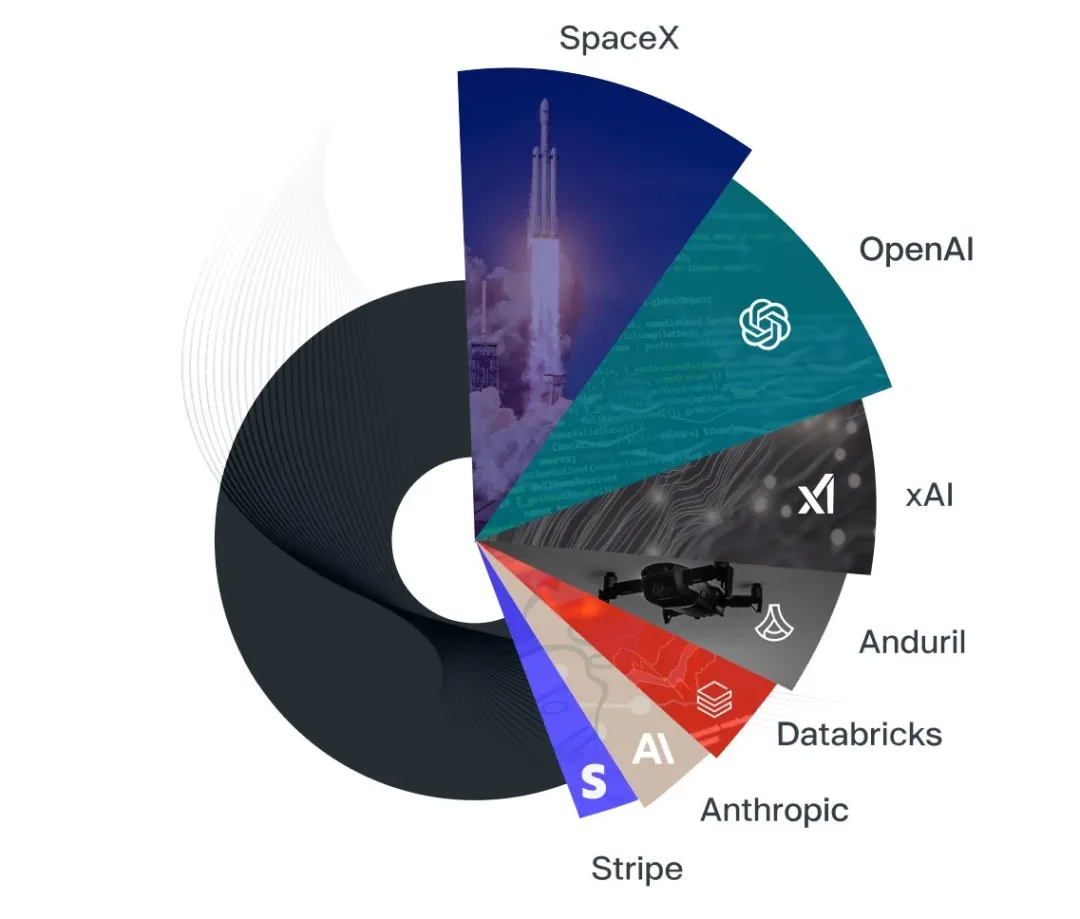
Anduril Industries reportedly completed a $5 billion Series H financing at a $61 billion valuation, reinforcing its position as a major defense-technology company. The article highlights its Lattice AI platform, flexible Arsenal-1 manufacturing system, and Palmer Luckey’s view that China’s engineering and manufacturing efficiency could reshape future military competition.

AI data startup Micro1 has reached a $500 million gross run rate as demand for AI training data accelerates. The growth highlights expanding opportunities for data providers supporting model development.

Superloop is redirecting the value generated by AI-driven call-centre efficiencies toward security and compliance improvements. The shift comes as labour-cost savings from call-centre automation begin to level off.
Patients are increasingly bringing answers from Doubao and other AI assistants into hospitals, sometimes challenging doctors' diagnoses and requesting unnecessary tests. The article documents how AI hallucinations, incomplete symptom interpretation, and misplaced patient trust are increasing consultation time and worsening doctor-patient friction.

Unitree has launched a biomimetic seven-axis dexterous robotic arm, priced from 9,900 yuan. The product could lower the hardware cost of embodied AI development, robotic manipulation research, and automation prototyping.
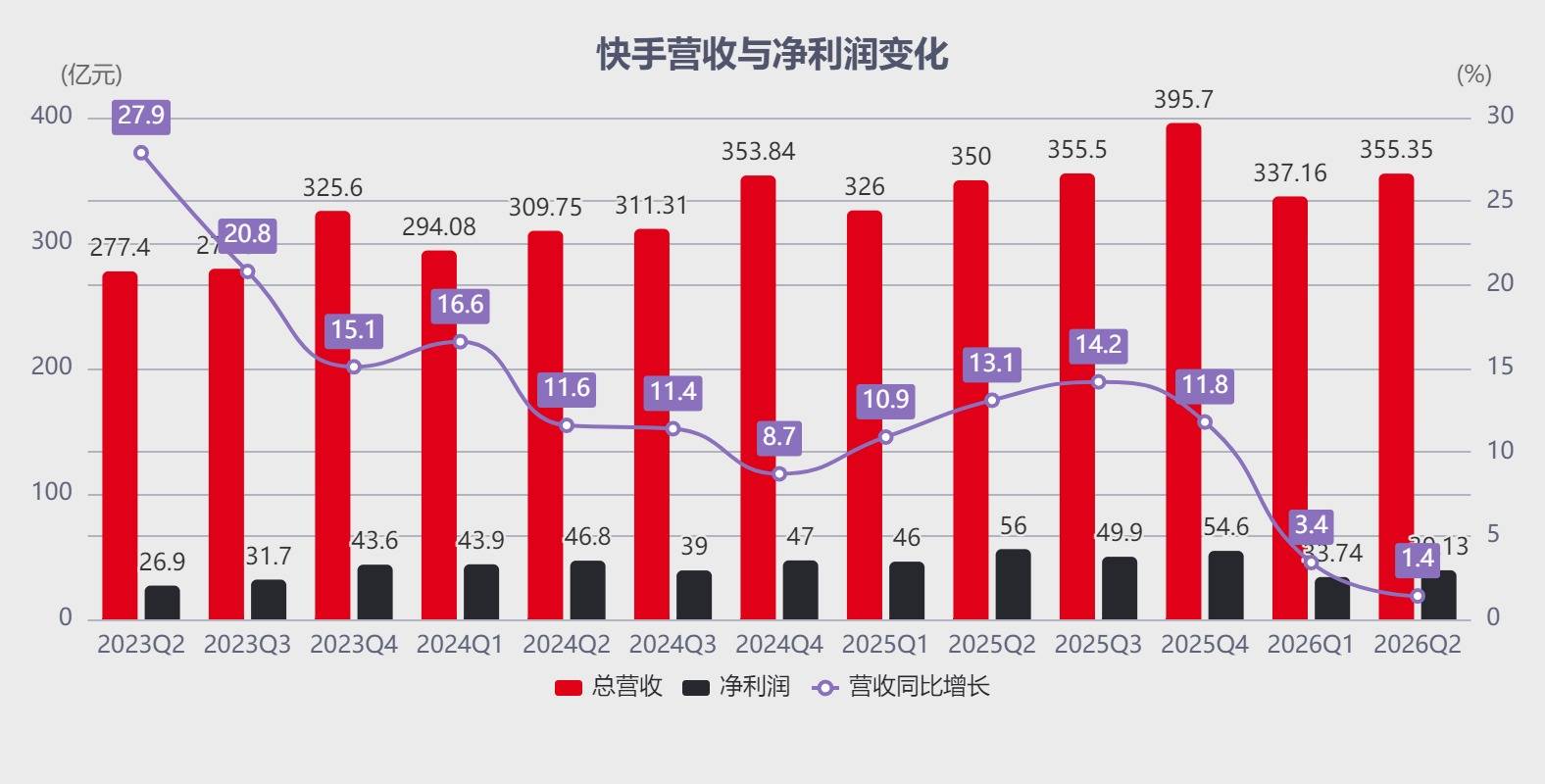
Kling AI generated more than RMB 850 million in Q2 revenue, up 240% year over year, making it the standout growth driver in Kuaishou’s otherwise slowing business. Kuaishou is prioritizing AI investment, spinning Kling AI out for independent financing at an implied valuation of US$18 billion despite near-term profit pressure.

Rapidus is pursuing mass production of advanced 2nm semiconductors through a large-scale Japanese national project. Instead of matching TSMC’s scale, the company plans to compete with RUMS, an integrated one-building production model designed for diverse, lower-volume manufacturing.