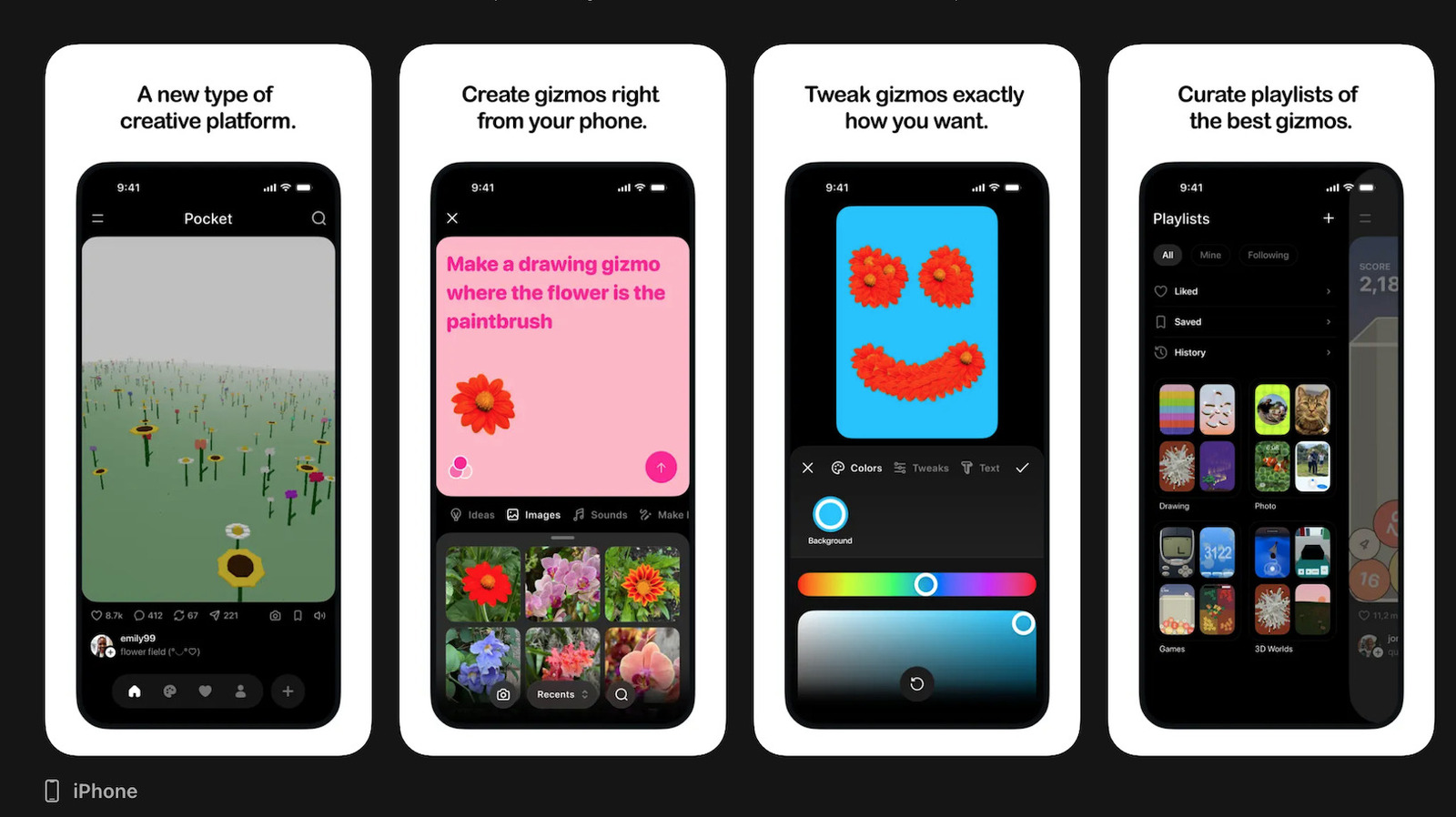
Meta Launches Pocket AI Minigame Creator
Meta has made Pocket, its generative AI minigame creation app, available in the US. The company describes it as a platform for making and sharing “gizmos.”
10 results on this page
Meta has made Pocket, its generative AI minigame creation app, available in the US. The company describes it as a platform for making and sharing “gizmos.”

Meta is expanding Pocket, an experimental AI-powered app for creating and sharing interactive games, to users across the U.S. The app was previously tested quietly in Brazil.

The paper proposes Transition Complexity Profile (TCP), a reproducible framework for measuring how difficult game-world transition prediction is at a specified interface. It evaluates branching, interaction-driven uncertainty, opponent influence, and temporal or spatial dependencies to improve comparisons across game-modeling and reinforcement-learning benchmarks.
Alibaba will sell all shares of Lingxi Games to Chixin Capital for 10.1 billion yuan, exiting self-developed game content. The deal reflects Alibaba’s shift from gaming toward AI, where its Qwen models and consumer products are becoming strategic priorities.

Generative video in China is shifting from impressive demonstrations to routine use in advertising, e-commerce, and internal content previews. The trend suggests that practical production workflows are gaining traction while at least one prominent overseas consumer experiment is being withdrawn.

Go champion Ke Jie said during a livestream that he had discovered a way to defeat AlphaGo, despite the system once being considered virtually unbeatable. He described the approach as “pretending to be an idiot,” though the claim has not been independently verified.

Apple has revised its App Store fee structure in the European Union to comply with the Digital Markets Act. The company lowered the Core Technology Fee and simplified its pricing model, receiving a welcome from the EU while Epic Games voiced strong opposition.
Google announced that its open model family, Gemma, has surpassed one billion cumulative downloads. More than 100,000 derivative models have been created, and Google launched the official Awesome Gemma directory on GitHub.
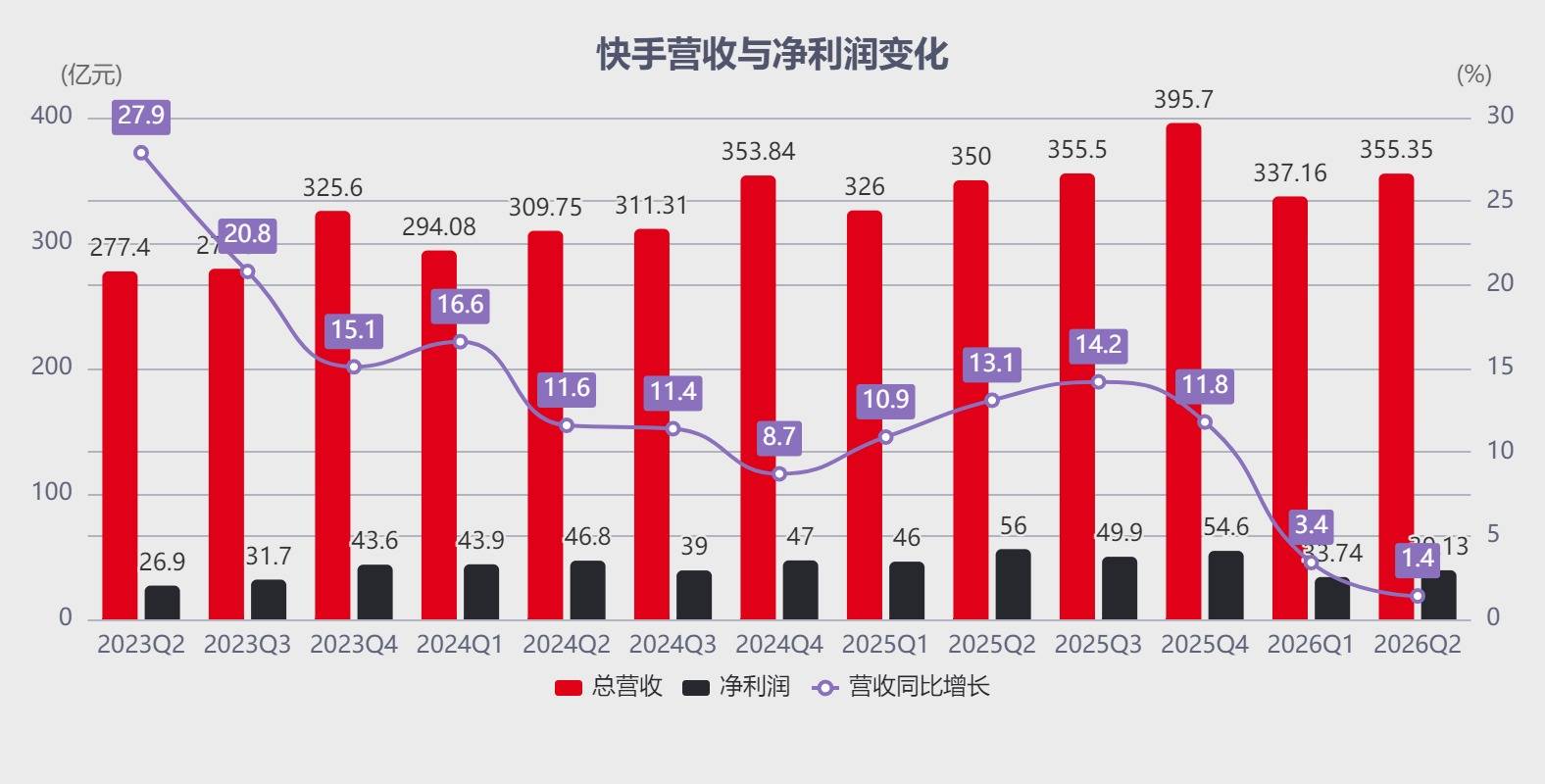
Kling AI generated more than RMB 850 million in Q2 revenue, up 240% year over year, making it the standout growth driver in Kuaishou’s otherwise slowing business. Kuaishou is prioritizing AI investment, spinning Kling AI out for independent financing at an implied valuation of US$18 billion despite near-term profit pressure.

Rapidus is pursuing mass production of advanced 2nm semiconductors through a large-scale Japanese national project. Instead of matching TSMC’s scale, the company plans to compete with RUMS, an integrated one-building production model designed for diverse, lower-volume manufacturing.