
Two Sessions Boost + IPOs Ignite BCI Boom
China's Two Sessions has spotlighted brain-computer interfaces. Multiple companies are preparing IPOs amid surging interest. The BCI sector is experiencing a major boom.
Tag: #china-policy104 results
China's Two Sessions has spotlighted brain-computer interfaces. Multiple companies are preparing IPOs amid surging interest. The BCI sector is experiencing a major boom.

Changshu released a draft of 13 measures to boost OpenClaw and open-source communities for AI-driven industry growth. Selected OPC projects using OpenClaw get up to 6M yuan support. Aims to create a national AI+ innovation demo zone.
Chinese companies linked to open-source AI agent software OpenClaw saw stock advances. This follows Shenzhen authorities' measures to support development of OpenClaw-based tools. The move signals growing policy-backed adoption in China.

China's Zhejiang and Guangdong provinces are competing to lead in AI and core technology breakthroughs, responding to President Xi Jinping's call. This aligns with priorities for the 15th five-year plan outlined during the 'two sessions'. Zhejiang has unveiled an ambitious plan to become a major AI development hub.
China's 2026 government report prioritizes future industries like embodied intelligence, brain-computer interfaces, quantum tech, and 6G. It establishes investment growth mechanisms and risk-sharing for high-risk tech. National VC guiding fund extends to 20 years to support early-stage hard tech.
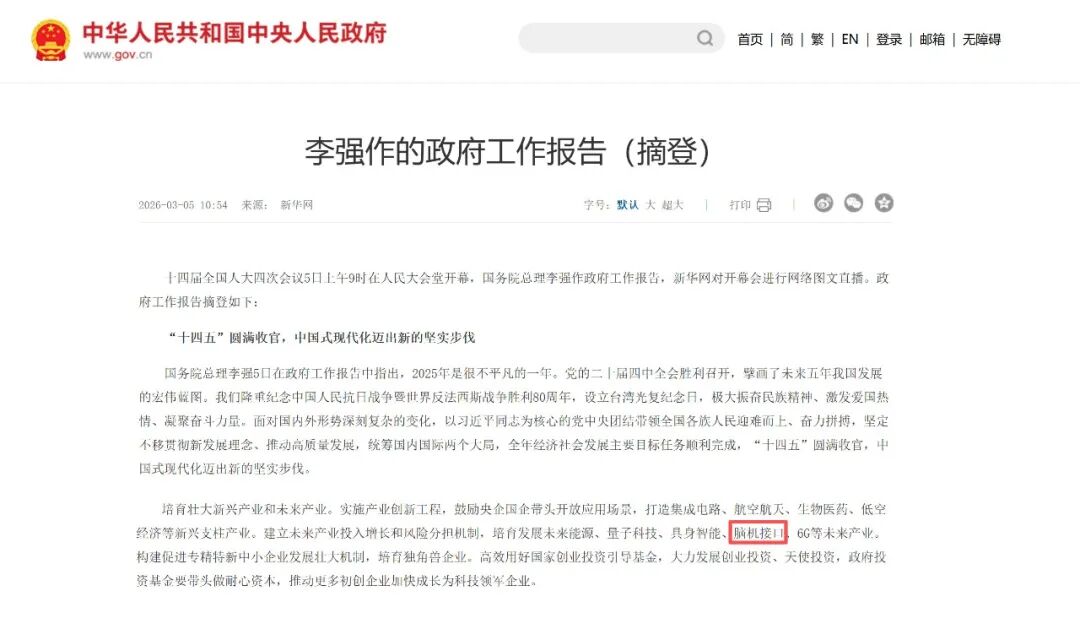
Government work report mentions brain-computer interfaces for first time. Policy endorsement signals massive industry growth. BCI positioned as key future sector.

At 15th Five-Year Plan kickoff, ministries, NPC reps, and CPPCC members discuss integrated circuits. AI, ICs, and new quality productive forces are key societal and policy foci. Highlights proposals in these critical domains.
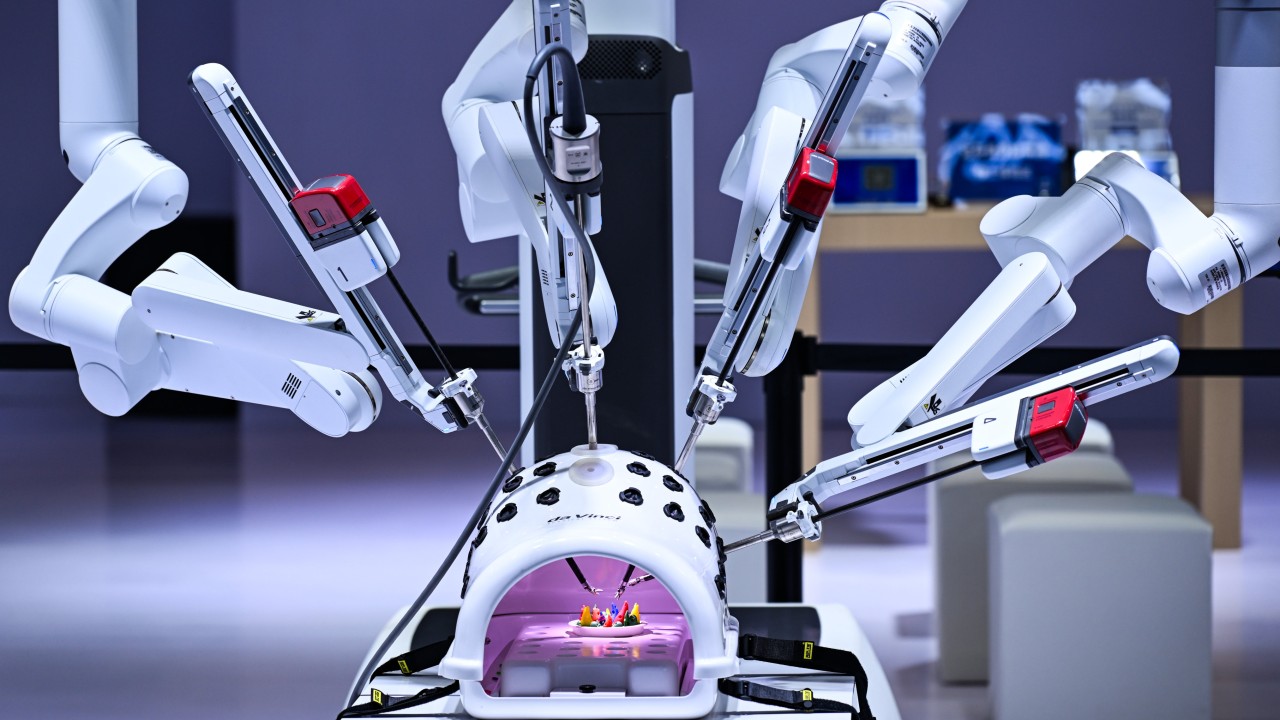
China aims for its digital economy to reach 12.5% of GDP by 2030, up from 10.5% achieved in 2025. This target, announced at the 'two sessions' meetings, exceeds initial goals and emphasizes AI integration with advanced manufacturing. The strategy seeks to build a modern industrial system and narrow the digital economy gap with the US.
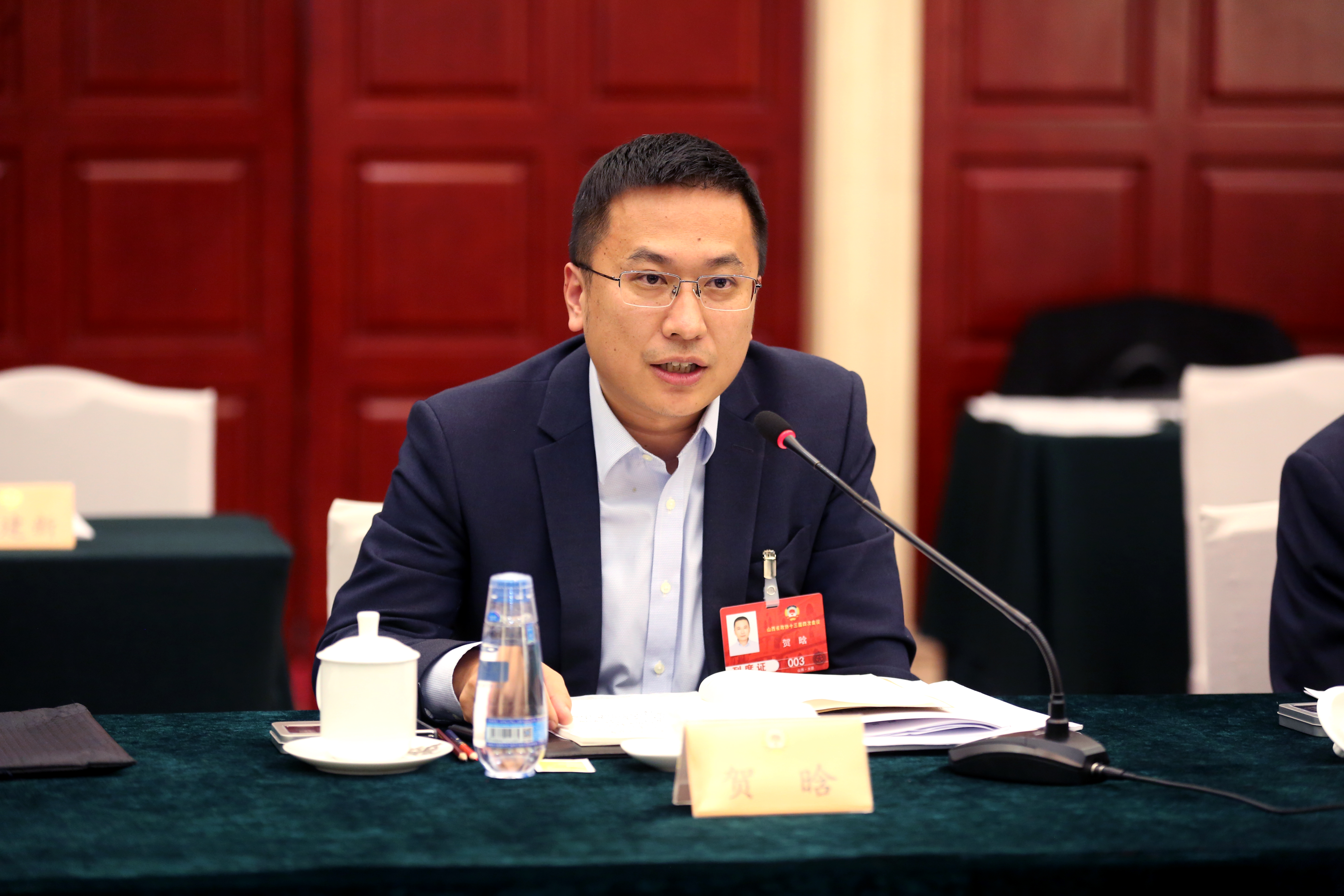
Tianyu Shuke chairman and CPPCC member He Han calls for scene-driven adoption led by central SOEs to deploy humanoid robots at scale. Focuses on overcoming data and scenario bottlenecks to boost embodied intelligence.
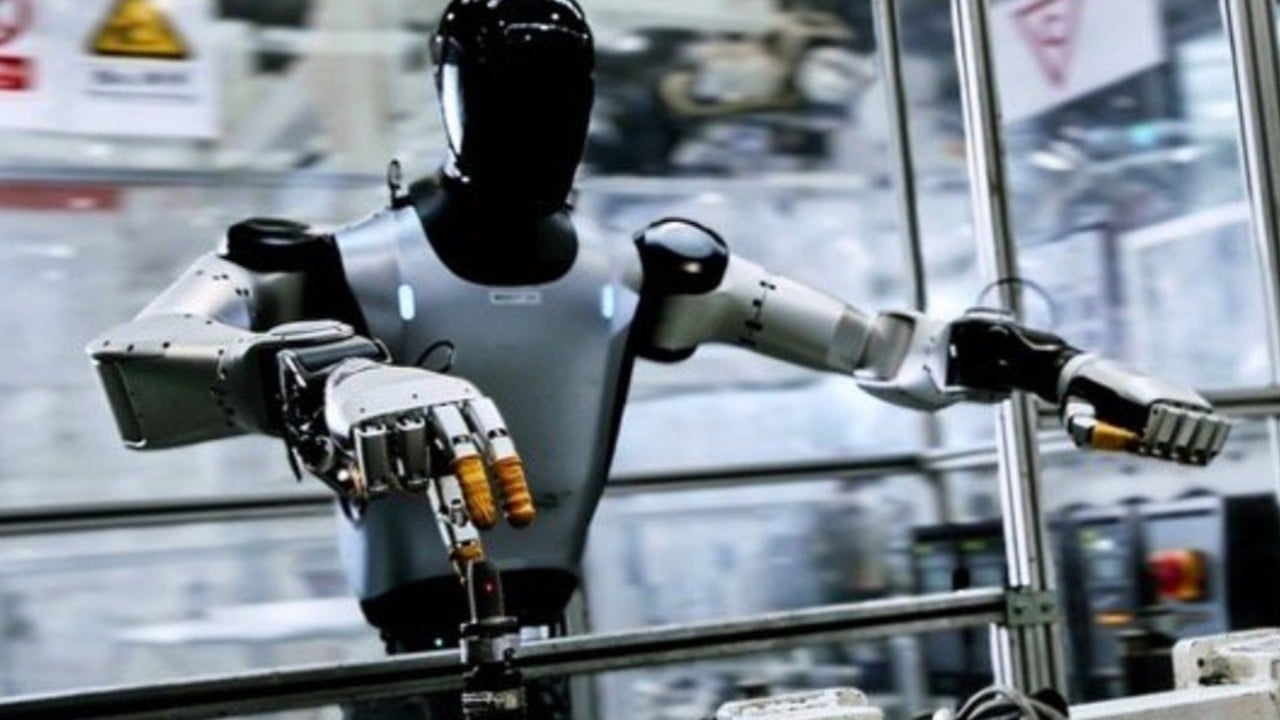
China’s tech leaders from Xiaomi, 360 Security, and Xpeng have submitted policy proposals ahead of the 'two sessions' to accelerate AI and humanoid robot adoption. They aim to promote industrial use of humanoid robots, speed up AI agent deployment, and expand computing infrastructure. This aligns with Beijing's push in strategic global tech sectors.