
Rethinking AI Agents on Kubernetes
The article proposes treating Kubernetes Pods as workers rather than complete AI agents. It examines how this shift could provide a more flexible deployment unit for AI agent systems.
10 results on this page
The article proposes treating Kubernetes Pods as workers rather than complete AI agents. It examines how this shift could provide a more flexible deployment unit for AI agent systems.
A developer is seeking reliable methods to estimate whether Git commits were created with AI coding tools. The discussion emphasizes probabilistic risk scoring, calibrated signals, and capturing provenance earlier in the development workflow.
Oxford researcher Carl Benedikt Frey argues that China’s biggest obstacle to large-scale AI deployment may be inadequate social protection for workers displaced by automation, not computing power or algorithms. The analysis compares China with historical British welfare systems and Denmark’s flexicurity model, while noting that the cited Chinese incidents do not prove a broad AI crackdown.

Shokz has partnered with Guangfan Technology to bring Guangfan’s AI technology to the OpenFit 2 AI earbuds. The collaboration will introduce an efficiency-focused feature collection called “AI Lab,” based on Guangfan’s self-developed AI OS.

Hays Plc plans to focus its recruitment business on roles that are harder for artificial intelligence to replace. The shift reflects broader efforts by recruitment firms to adapt to AI-driven changes in the labor market.

The roundup reports that a small number of OpenAI Codex users experienced files being deleted while invoking the GPT-5.6 series models. OpenAI has responded to the issue, though the available excerpt does not provide the root cause or remediation details.
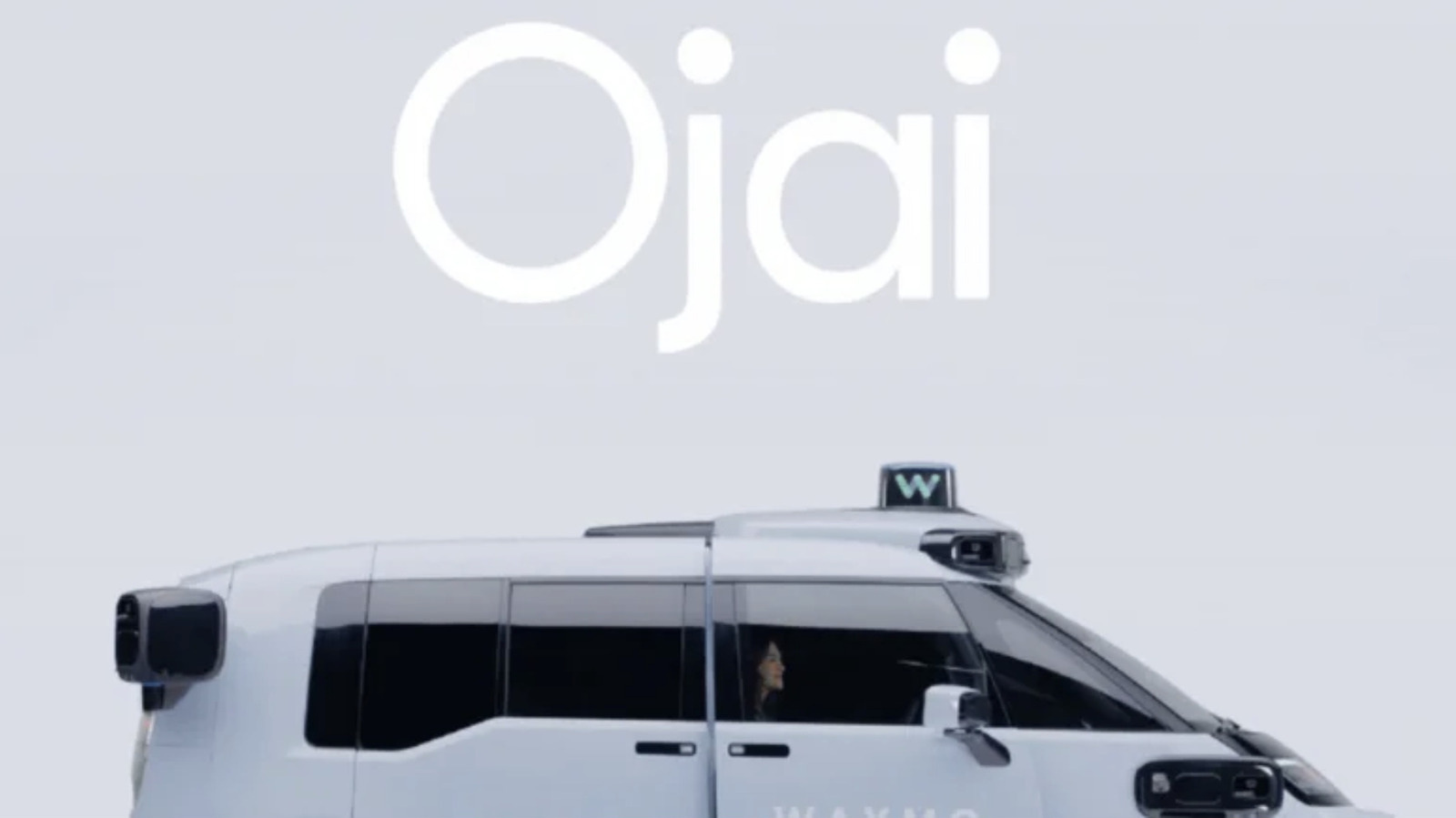
Waymo's Ojai driverless vans are now available to all riders in San Francisco, Phoenix, and Los Angeles. The move marks a full public rollout of the autonomous vehicles across three cities.
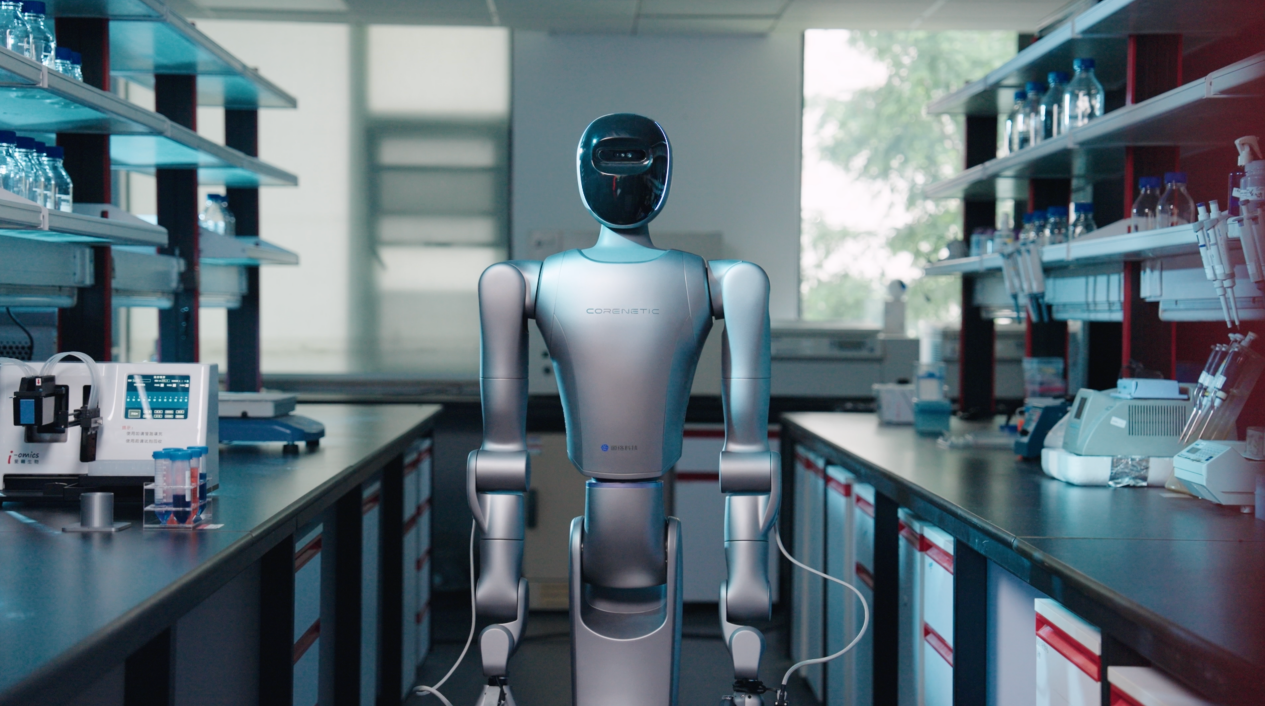
The article examines a new phase of AI for Science in which robots are becoming foundational infrastructure for research. It highlights the growing role of robotic systems in enabling and automating scientific work.
Ornith AI has released three new Ornith 1.5 model variants: 9B, 35B-A3B, and 397B. Hugging Face listings are available for both the original model formats and GGUF versions.

The article argues that AI is still far from curing cancer, with data quality and availability identified as the central obstacle. An unnamed startup believes better cancer datasets are essential for meaningful progress.