
Uber Launches First European Autonomous Rides
Uber has begun offering autonomous rides in Zagreb, Croatia, marking its first European AV service. The rides are operated with Pony.ai and Verne, but vehicles still include a safety driver.
10 results on this page
Uber has begun offering autonomous rides in Zagreb, Croatia, marking its first European AV service. The rides are operated with Pony.ai and Verne, but vehicles still include a safety driver.
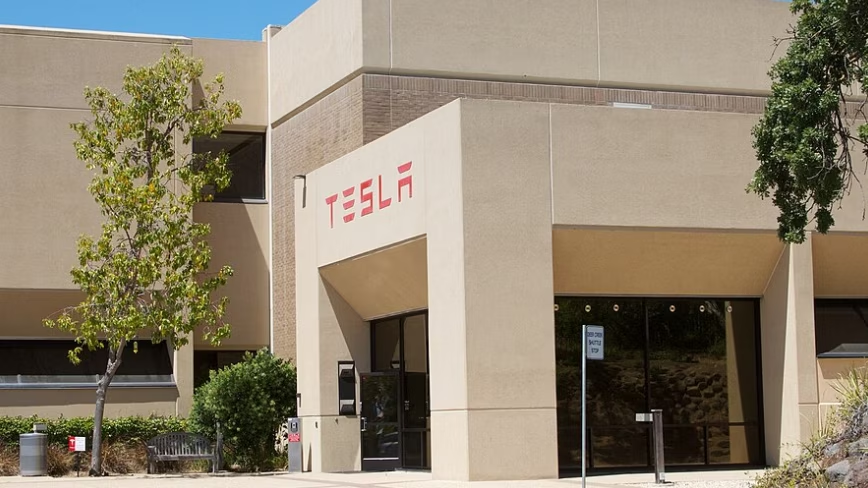
Tesla requested permission to operate up to 5,000 robotaxis in Las Vegas, but Nevada regulators approved only 10. The cap was included in an interim order from the Nevada Transportation Authority dated 27 July.

A driverless Tesla Robotaxi in Austin repeatedly stopped near plastic barriers before ultimately crashing through them and continuing to drive. The incident has renewed scrutiny of Tesla’s path planning and decision-making after an executive described the service’s safety record as “impeccable.”
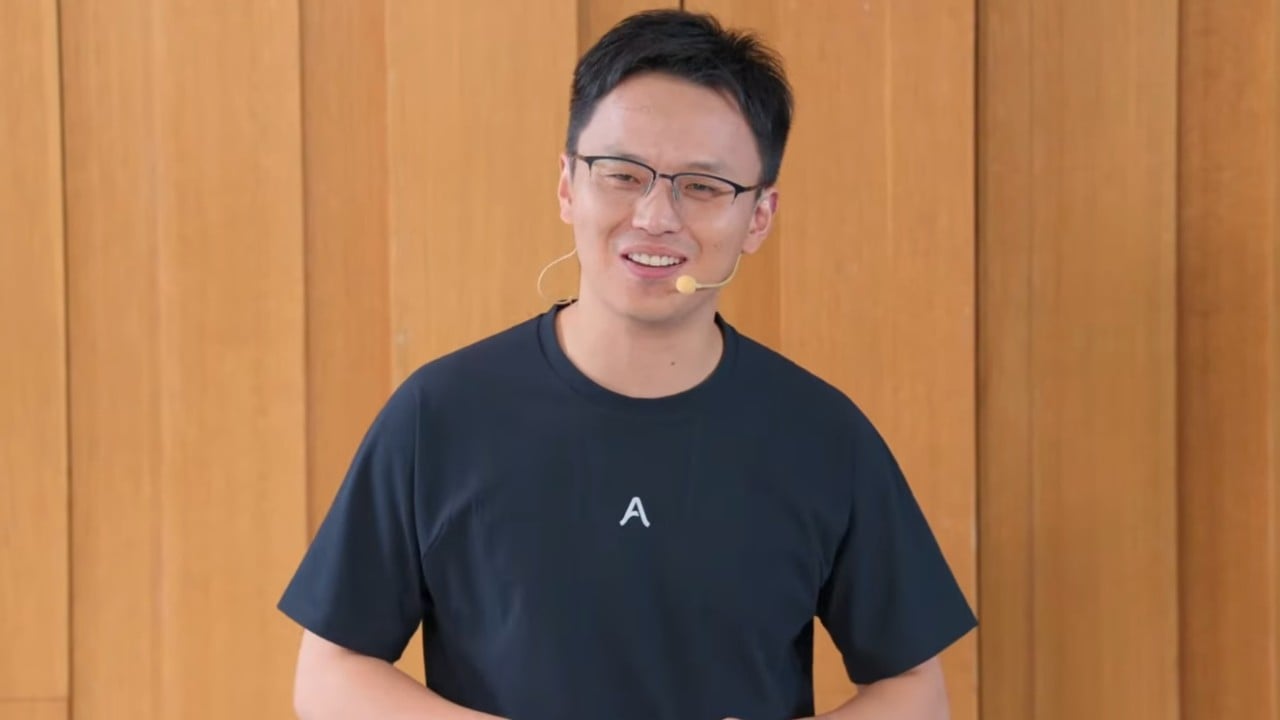
51World has unveiled a suite of data-collection devices and platforms designed to generate training data for embodied AI systems. The Beijing-based company argues that higher-quality physical-world data is essential for improving intelligent humanoid robots.

超維動力 KAI reportedly demonstrated the world’s first autonomous complete table-tennis match by a humanoid robot at the 2026 World Robot Conference. The appearance highlights KAI’s full-stack embodied-intelligence capabilities.
Amazon plans to expand its drone delivery operation to cities in at least five more US states in the coming months. The move advances the decade-old Prime Air research project toward a broader commercial service.
At WRC2026, UBTECH is showcasing humanoid robot applications across industrial, commercial, and home-consumer scenarios. The presentation emphasizes a broad, multi-market deployment strategy.

Tesla’s Austin Robotaxi service may have reached fully unsupervised operation, according to monitoring data from Robotaxi Tracker. The tracker recorded 170 trips involving 54 vehicles over two weeks, all without an onboard safety driver, while similar deployments appeared in Dallas and Houston.

Nick Bostrom explores two contrasting possibilities for AI’s future: existential catastrophe and a world where AI solves every major problem. He examines how humans might find meaning when robots and AI outperform people in virtually every task.

Xynova CEO Alex Xia discusses the company’s work on human-like robot hands, along with innovation challenges and industry bottlenecks. He also outlines the company’s fundraising plans in an interview with Bloomberg Technology.