
Mistral Launches Open-Source TTS for Wearables
Mistral has released a new open-source model for speech generation. The lightweight model can run efficiently on resource-limited devices like smartwatches and smartphones.
Tag: #on-device36 results
Mistral has released a new open-source model for speech generation. The lightweight model can run efficiently on resource-limited devices like smartwatches and smartphones.

Mistral AI announced Voxtral Transcribe 2, a speech recognition model that runs locally and supports Japanese. It includes two variants: one for high-accuracy, low-cost batch processing and another for ultra-low latency real-time transcription.

Apple presents Ferret-UI Lite, a compact 3B GUI agent for mobile, web, and desktop platforms. It leverages curated real and synthetic GUI data, chain-of-thought reasoning, and visual tool-use to enhance performance in small on-device models. The paper shares key lessons from its development.

A community implementation demonstrates VibeVoice 1.5B running locally on an iPhone with about 2.2 GB of memory and speeds up to 1.28× real time. The model has been uploaded to the audio.cpp Hugging Face repository, with an xcframework and code branch planned after audio.cpp 0.6.
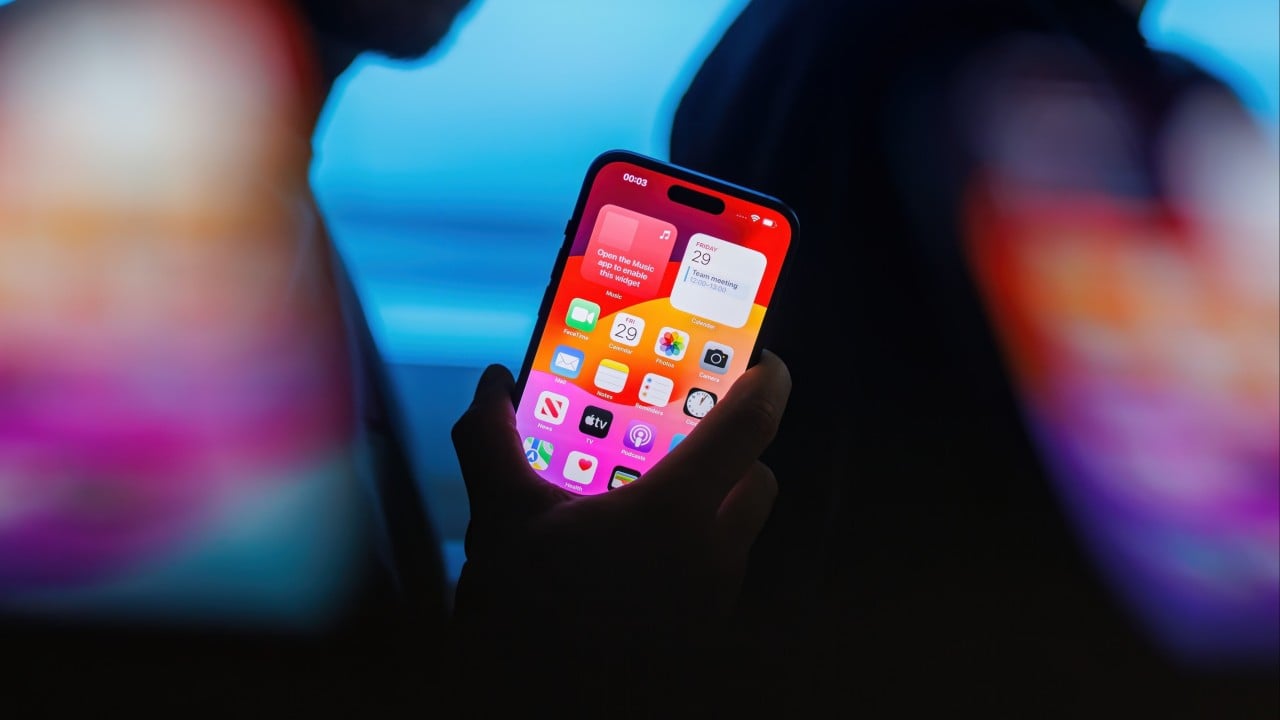
Chinese tech companies are shifting focus from massive, cloud-based models to lightweight AI designed for local execution on smartphones and laptops. This strategy aims to improve processing speed and data privacy by bypassing the need for power-hungry data centers.
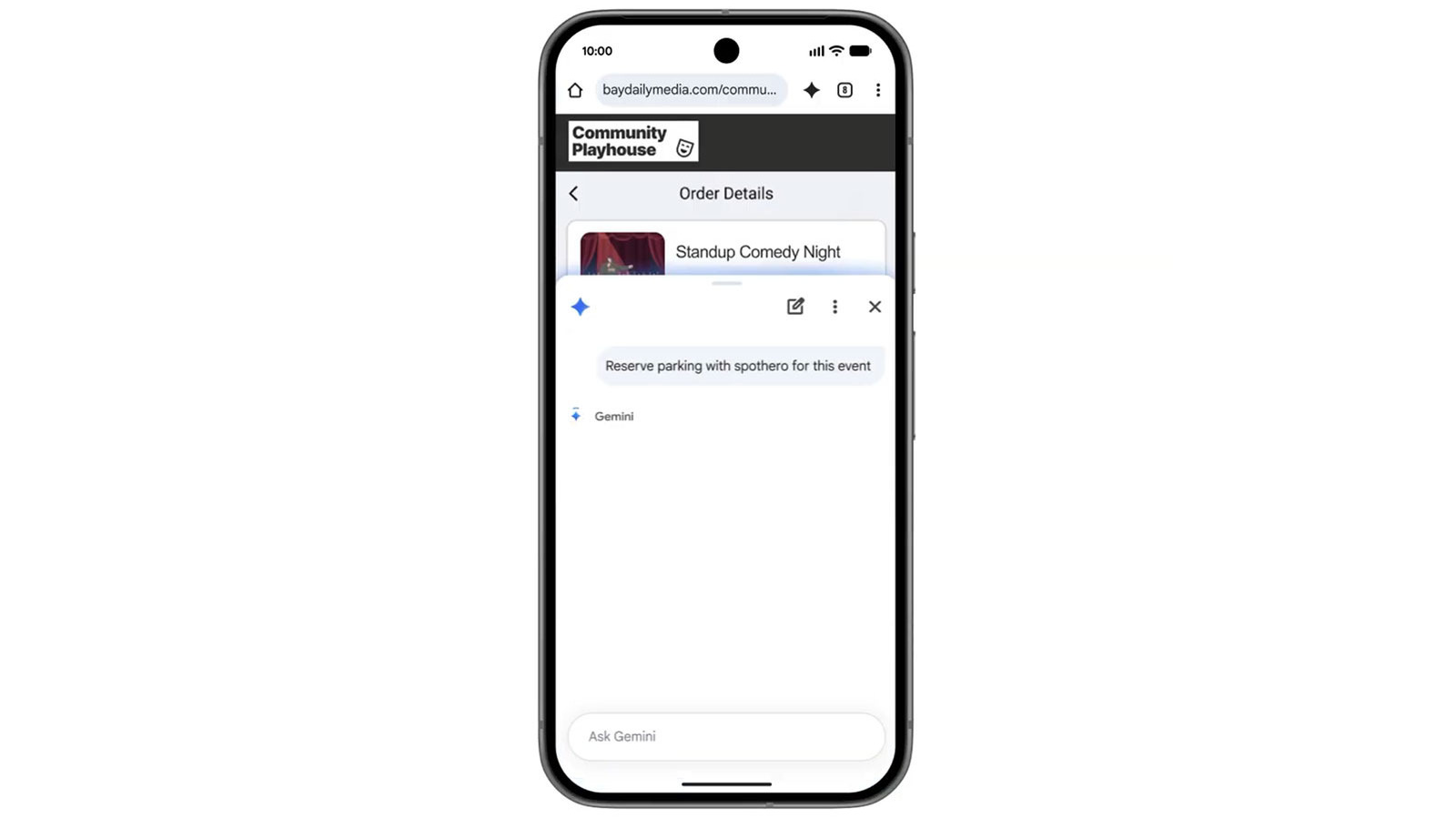
Gemini integration in Chrome arrives on Android devices this June. Devices need at least 4GB RAM to run the feature.

Google released a new AI app that operates fully offline, ideal for users in low-connectivity areas like remote travel spots. The author contrasts it with cloud-dependent tools such as MyMind and Lex, which fail without internet. Smartphones' power enables on-device AI for specific tasks like transcription, unlike general-purpose models requiring massive cloud resources.

Gemma 4 models include MTP weights for speculative decoding in LiteRT files, but Google removed them intentionally for broader compatibility. A Google employee confirmed this after errors on Pixel 9. Community calls for full model release or reverse engineering.

Developer optimized Kokoro TTS for iOS with CPU-only pipeline, hitting 20x realtime without thermal issues by splitting the model and using Apple's Accelerate framework. Avoids Metal for background audio support. Released as Morph Books EPUB reader app.

Apple is developing Grammarly-inspired writing tools directly for its keyboard. These AI-assisted features aim to enhance text composition and editing on Apple devices.