⚙️
Google Secures $12.2B Marvell Share Option
Marvell Technology and Google expanded their chip-development partnership. The agreement includes a warrant allowing Google to purchase up to $12.2 billion worth of Marvell shares.
Tag: #ai-chips369 results
Marvell Technology and Google expanded their chip-development partnership. The agreement includes a warrant allowing Google to purchase up to $12.2 billion worth of Marvell shares.
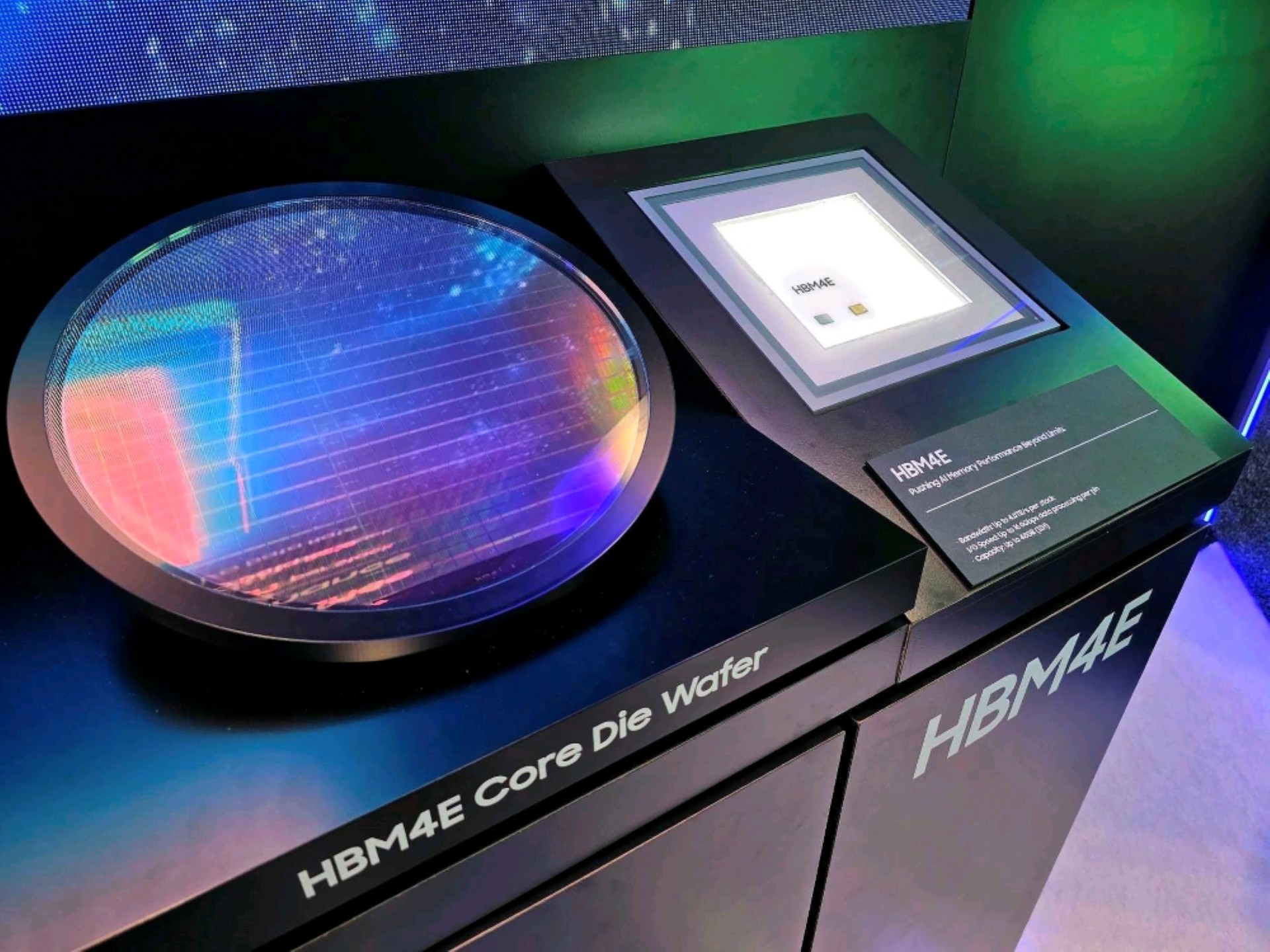
Samsung Electronics has reportedly raised prices for some new advanced foundry orders by up to 15%. Tight advanced-node capacity, driven by surging AI chip demand and TSMC constraints, is strengthening Samsung’s negotiating position.
Rebellions CFO Sungkyue Shin said the AI chip startup is actively preparing for an initial public offering. A listing on South Korea’s main stock exchange is the company’s top priority.
Cerebras Systems introduced a new, faster computer powered by its own AI chips. The company says the system widens its performance advantage over Nvidia-based equipment.

VeriSilicon reported first-half revenue of RMB1.864 billion, up 91.37% year on year. AI-computing-related orders represented about 90% of the company’s new orders signed this year, highlighting strong demand for AI infrastructure.
Groq has raised $350 million in a Series A round at a $3.5 billion valuation, with Nvidia participating. The valuation is roughly half the $6.9 billion level Groq previously commanded, highlighting shifts in the AI-chip market.
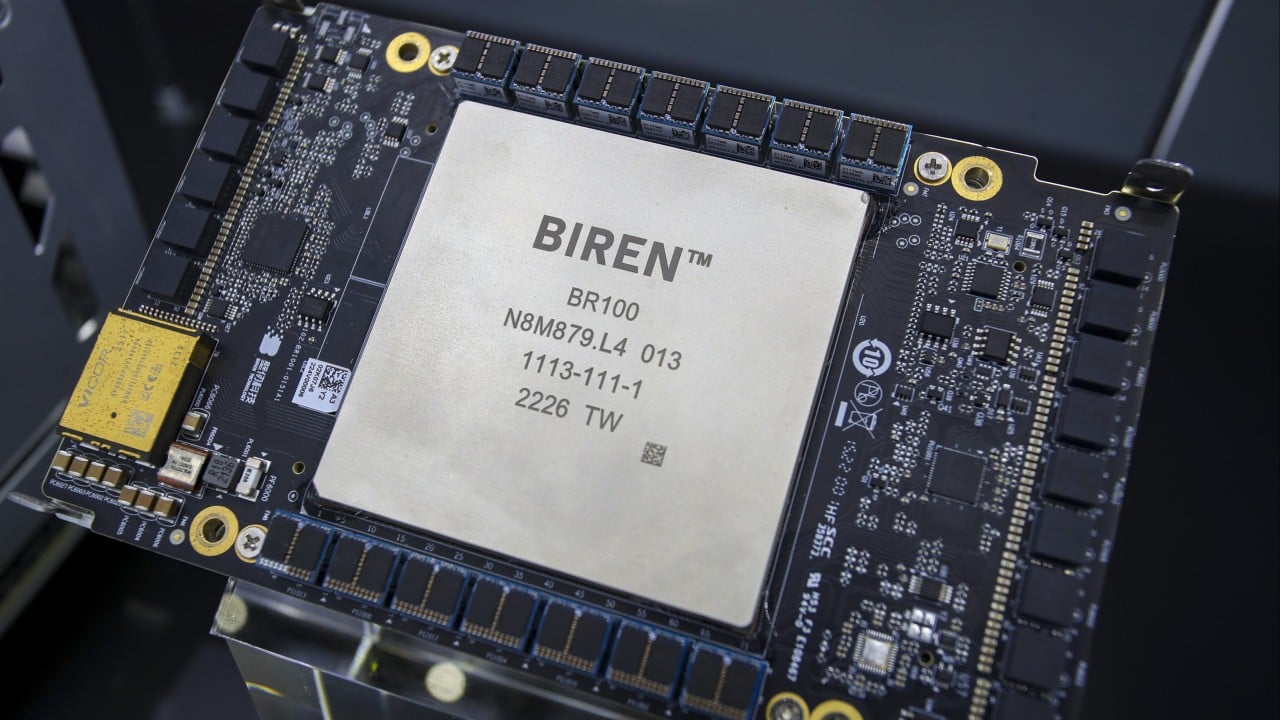
Chinese AI chipmaker Biren Technology expects first-half 2026 revenue to rise by as much as 2,107%, reflecting accelerating demand for domestically developed AI hardware. The Shanghai-based GPU maker joins Hygon Information Technology and Cambricon Technologies in reporting strong momentum during China’s high-tech boom.
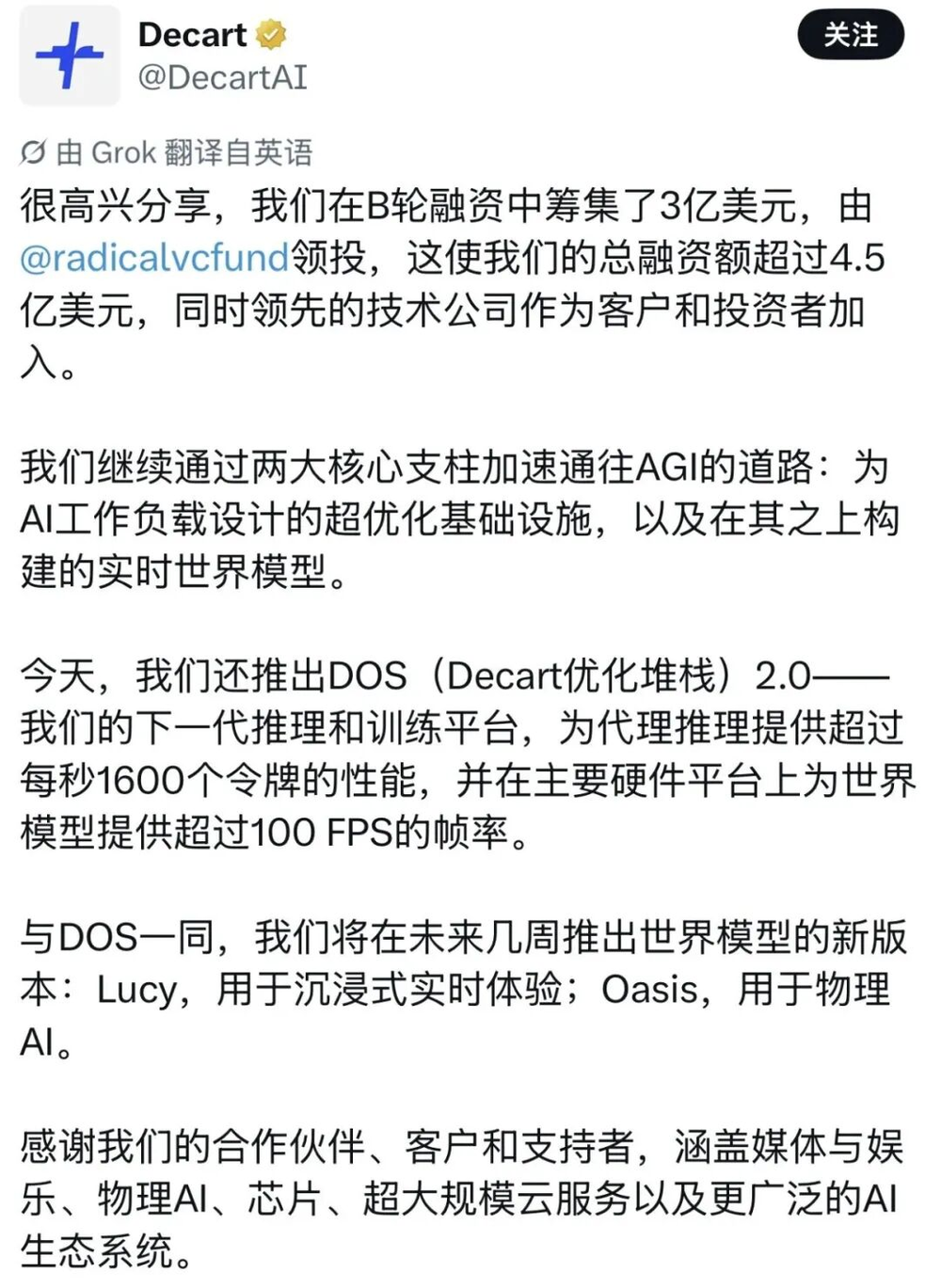
Anthropic is reportedly in early talks to acquire Israeli AI efficiency startup Decart for approximately $6 billion ahead of a potential IPO. Decart develops software that optimizes AI model training and inference across GPUs and custom accelerators, potentially reducing Anthropic’s large-scale compute costs.

芯原股份 reported a first-half loss of 600 million yuan, while its market capitalization fell by nearly 100 billion yuan in just over a month. The decline reflects weaker profitability in its core business, compounded by large equity incentives and earlier acquisition-led expansion.

Xiaomi CEO Lei Jun said the company’s next-generation self-developed chip is nearing release. He provided no launch date, product name, or technical specifications, while noting that Xiaomi’s R&D spending rose 18.9% year over year to RMB9.2 billion.