
Rillet Raises $100M for AI Accounting
Rillet has raised $100 million in a Series C at a $1 billion valuation. The startup is building an AI-centered corporate accounting platform that places AI agents inside the general ledger.
7 results on this page
Rillet has raised $100 million in a Series C at a $1 billion valuation. The startup is building an AI-centered corporate accounting platform that places AI agents inside the general ledger.

Incogni researchers evaluated 13 AI platforms to assess the privacy risks associated with each service. The analysis suggests that larger platforms generally present greater privacy risks, with one notable exception.

A community developer created Qwen3.8-23B-Mini-Me by strategically removing layers from Qwen3.8-27B, reducing the model to approximately 22.7B parameters without severe reasoning degradation. The model is reported to work well for coding, agentic tasks, and multi-turn chats, but it has not yet been benchmarked and struggles more with edge cases and underspecified prompts.

The post argues that Qwen3.8 intermediate tokens should not be interpreted as human-like reasoning. Citing research, it highlights that trace validity often does not correlate with answer correctness, and that models trained on corrupted or irrelevant traces can perform as well as or better than models trained on valid traces.
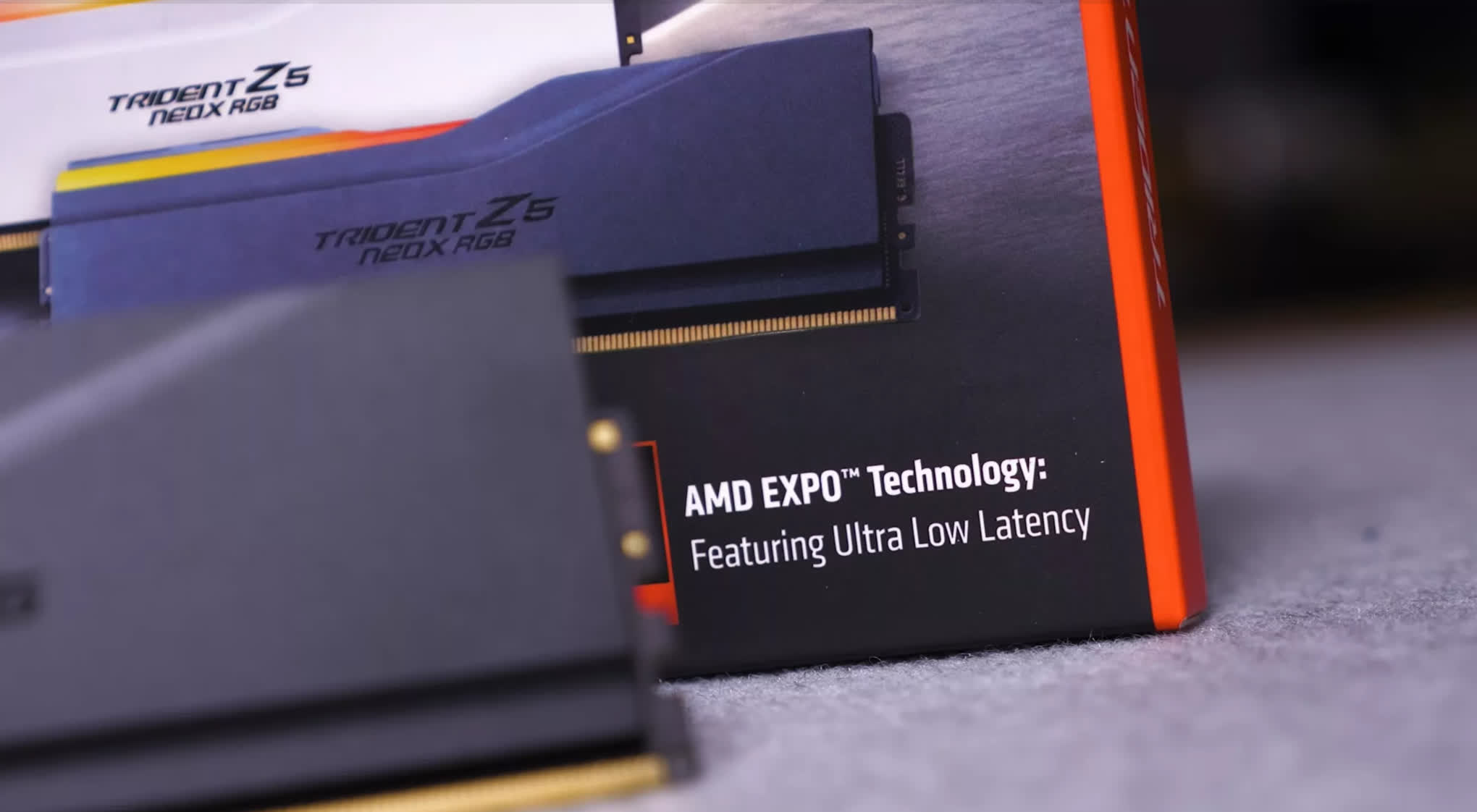
G.Skill has begun compensating consumers involved in a $2.4 million class-action settlement over allegedly misleading DDR4 and DDR5 speed claims. Eligible claimants will generally receive approximately $20–$25.

Former Meta safety executive Arturo Béjar testified that the company’s safety failures were rooted in the culture established by Mark Zuckerberg. His testimony opened a trial brought by four state attorneys general over Meta’s handling of platform safety issues.
A practitioner reports that fine-tuning Gemma 4 26B A4B on 100,000 court decisions failed to outperform a prompted base model for generating legal principles. The discussion explores whether the bottleneck lies in data quality, evaluation design, task complexity, or the fine-tuning workflow.