🎵
Indian Startup Challenges OpenAI in Voice AI
A Bangalore-based startup has entered the competition to create highly human-like artificial voices. Its AI model reportedly earns high scores compared with systems from OpenAI and ElevenLabs.
10 results on this page
A Bangalore-based startup has entered the competition to create highly human-like artificial voices. Its AI model reportedly earns high scores compared with systems from OpenAI and ElevenLabs.

Relativity Networks has raised $22 million to advance the deployment of hollow-core fiber in data centers. The technology can transmit data 30% faster than conventional fiber, potentially improving connectivity for high-performance computing and AI workloads.
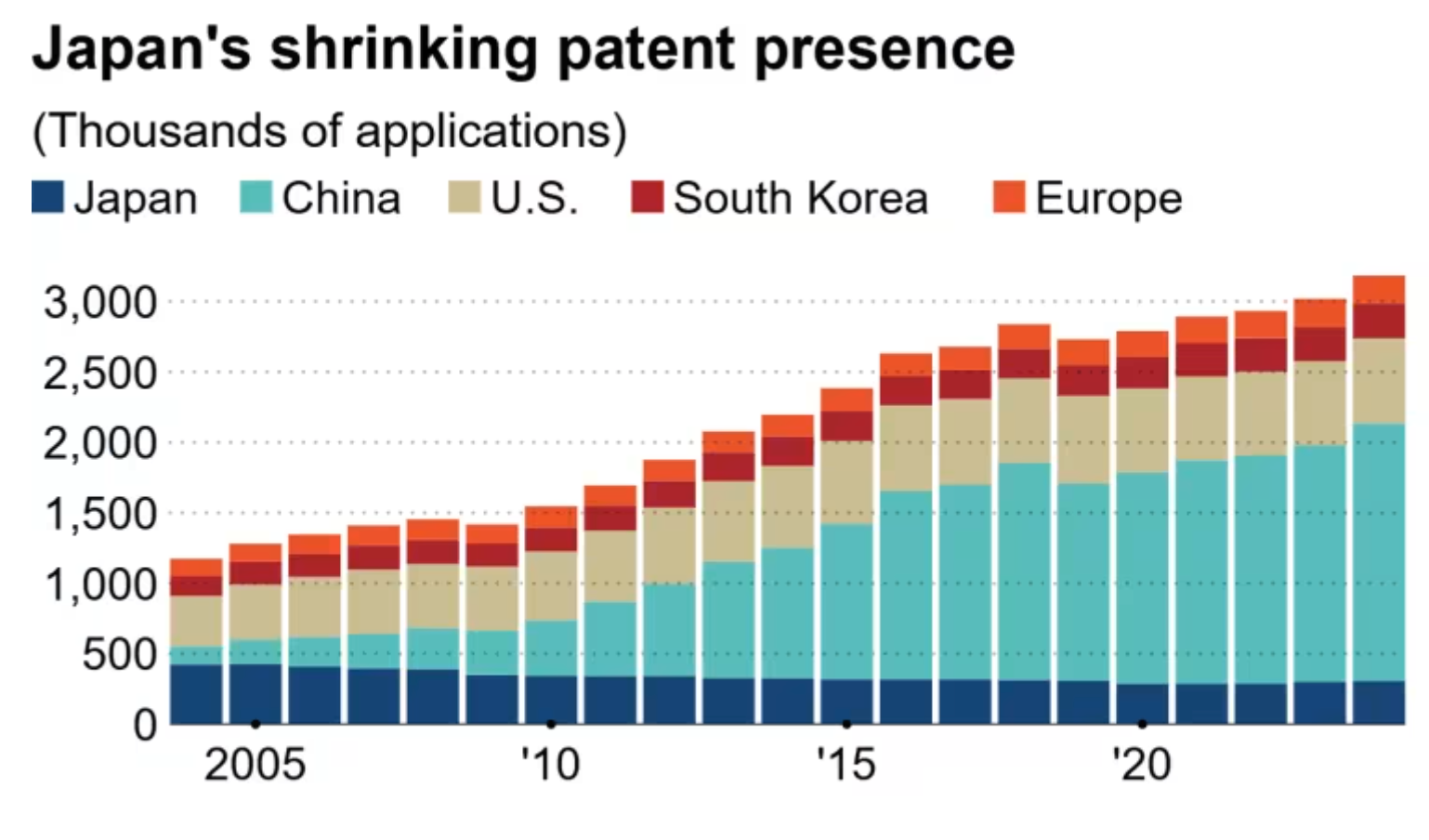
China continues to lead global patent applications, with AI and other core technology areas highlighted as key strengths. Global patent filings reached 3.72 million in 2024, more than double the 1.7 million recorded in 2005, while Japan’s share declined from 25% to 8%.
Hudson River Trading signed a multiyear agreement with CoreWeave to use its AI computing services. The partnership will support the development of new trading research and machine-learning models.

Researchers propose a Metamorphic Artificial Age Score (AAS) prototype that detects drone propeller health issues from flight-log data. It combines six normalized indicators to prioritize routine monitoring, maintenance review, or mandatory inspection across different fault severities.
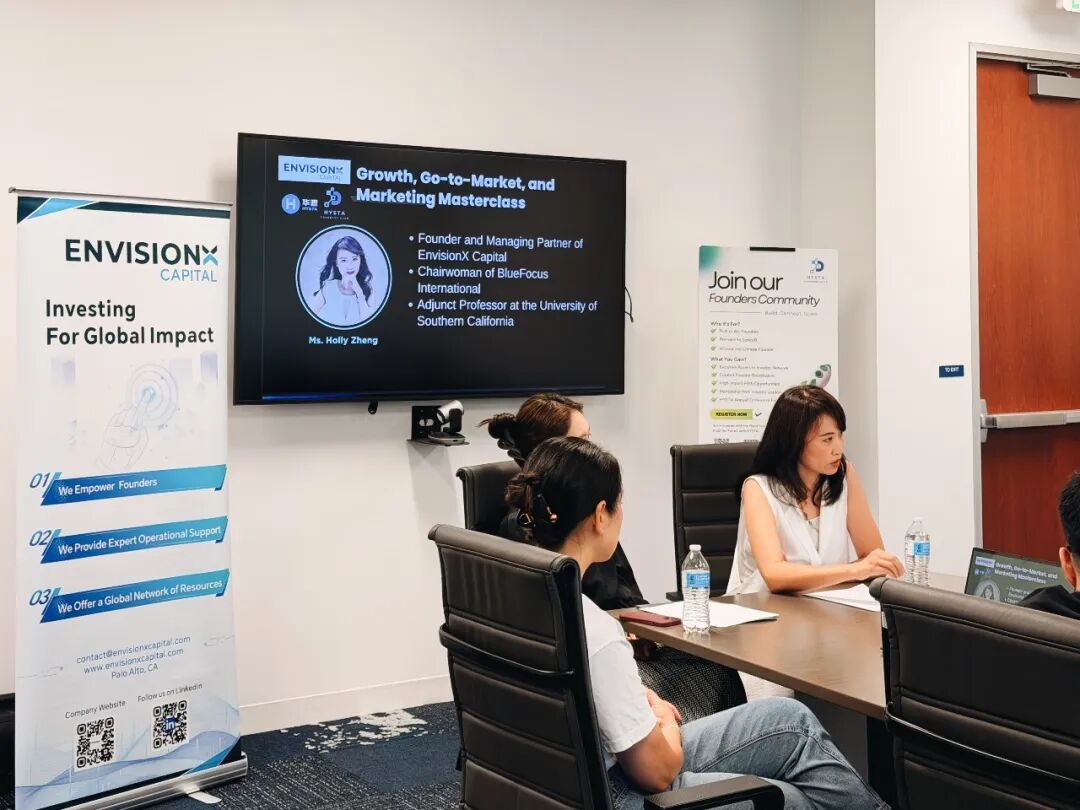
This article presents a Silicon Valley VC perspective on evaluating AI startups through five dimensions. Its core message emphasizes keeping ideals internally while embedding discipline into operating processes.

The FDA has cleared Aletta, an independent robot that automates venous blood collection in outpatient settings. It uses near-infrared imaging and Doppler ultrasound to locate veins, while trained staff must initiate and supervise the procedure; one operator can monitor up to three robots.

Astro 7 reportedly rewrites its compiler and Markdown processing pipeline in Rust. The change targets the framework’s core build and content-processing infrastructure.
Qwen Code v0.21.14 successfully completed one SWE-bench Verified task and one Terminal-Bench 2.0 task. Both benchmarks recorded 100% scores with no unresolved cases, execution errors, or infrastructure failures.

芯原股份 reported a first-half loss of 600 million yuan, while its market capitalization fell by nearly 100 billion yuan in just over a month. The decline reflects weaker profitability in its core business, compounded by large equity incentives and earlier acquisition-led expansion.