
The Rise of AI Game Companions
AI game companions are evolving into three distinct categories: native in-game NPCs, desktop-based assistants, and standalone AI-relationship apps.
Tag: #gaming-ai70 results
AI game companions are evolving into three distinct categories: native in-game NPCs, desktop-based assistants, and standalone AI-relationship apps.

NVIDIA has launched the Beta version of its ACE Game Agent SDK, enabling developers to create AI-powered game characters that run locally on GeForce RTX hardware. This eliminates the need for cloud-based processing for interactive AI NPCs.
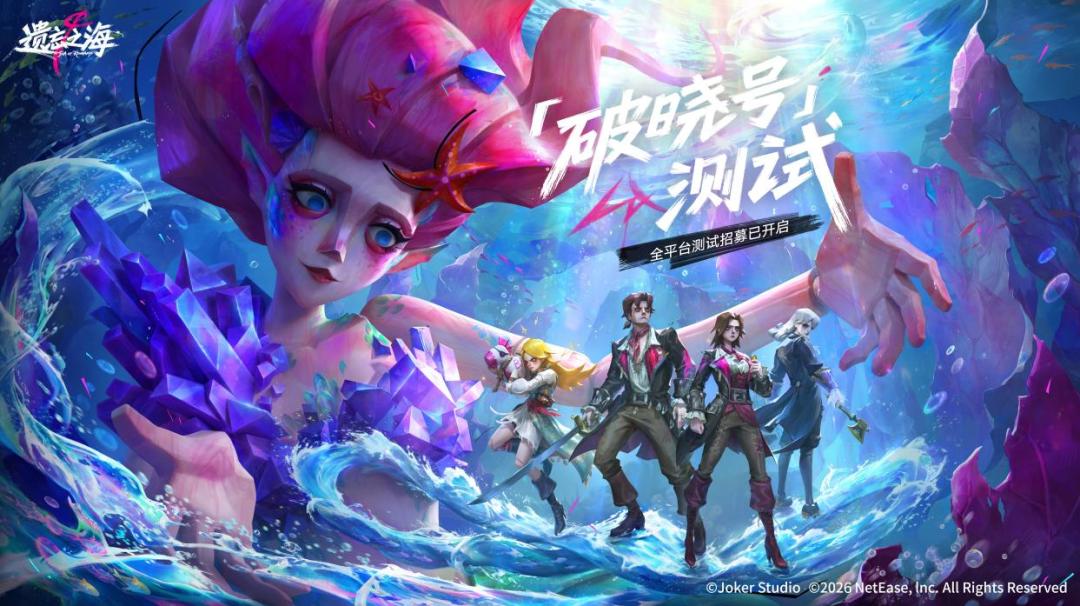
NetEase announced over 40 game updates at its 520 event, emphasizing high-quality production and deep integration of AI in game development and NPC interaction. Key titles include 'Forgotten Sea' and 'Wanmin Changge: Three Kingdoms', showcasing a strategic shift towards specialized market segments.
miHoYo founder Liu Wei announced a massive 100 billion RMB investment in AI over the next three years. The company aims to leverage AI to create fully personalized, 'thousand-person-thousand-face' gaming experiences.

Origin Lab has secured $8 million in funding to build a marketplace connecting video game companies with AI labs. The platform enables game developers to license high-quality data for training world-model AI systems.

NVIDIA has released DLSS 4.5 for game developers to integrate with RTX and Unreal Engine 5. Key features include Dynamic Multi Frame Generation, Multi Frame Generation 6X, and the second-generation transformer model for Super Resolution. Announced at CES 2026, it provides new resources for AI-powered gaming.
Mihaoyo earned 100x returns on MiniMax angel investment, now valued over HK$300B post-IPO. Sanqi Mutual invested in three of China's 'AI four dragons' (Zhipu, Moonshot, Baichuan), booking 981% investment gain in Q1. Gaming firms aggressively fund AI chips, models, and apps amid VC pullback.
Alibaba Group launched a new AI model specialized in generating videos for game development. The release supports broader efforts to commercialize AI technologies. It's aimed at enhancing game creation workflows.
NVIDIA released DLSS 4.5 Dynamic Multi Frame Generation and Multi Frame Generation 6X for RTX 50 series GPUs, enabling high-refresh 4K 240Hz gaming. Dynamic MFG adjusts multipliers automatically for optimal quality and responsiveness, while 6X MFG generates up to five extra frames per native frame using a second-gen transformer model.
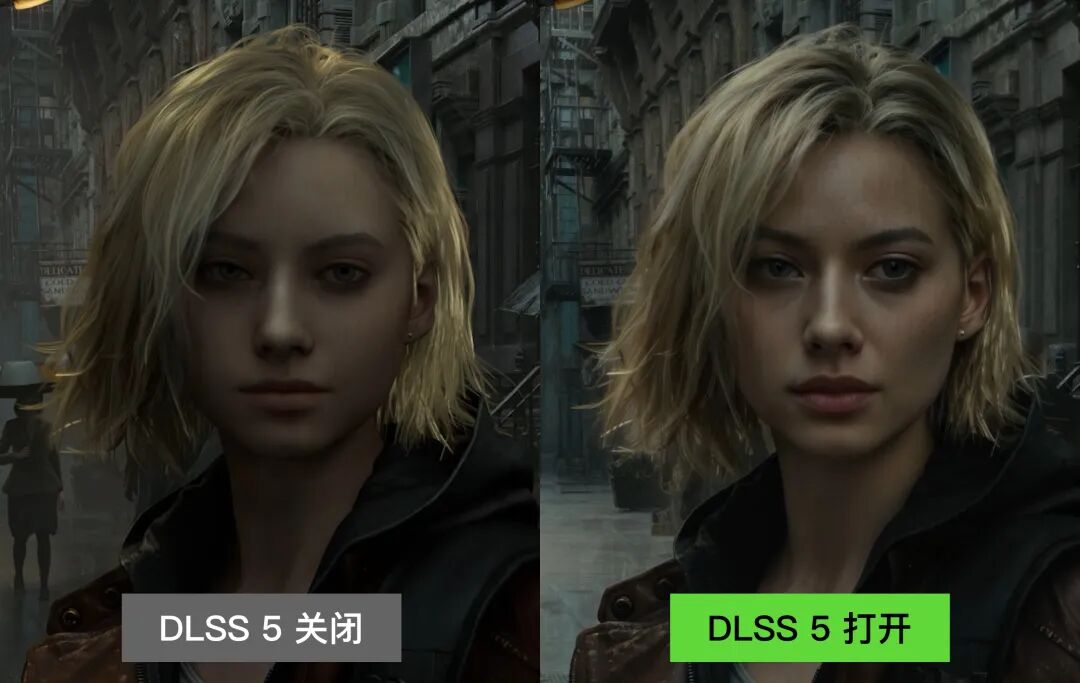
NVIDIA previewed DLSS 5 at GTC, using AI to generate new lighting, textures, and details in games beyond original assets. Gamers criticize it for injecting unnatural enhancements like 'yassified' faces and phantom lights, fearing AI slop pollution. Developers may control it, but concerns linger over artistic integrity.