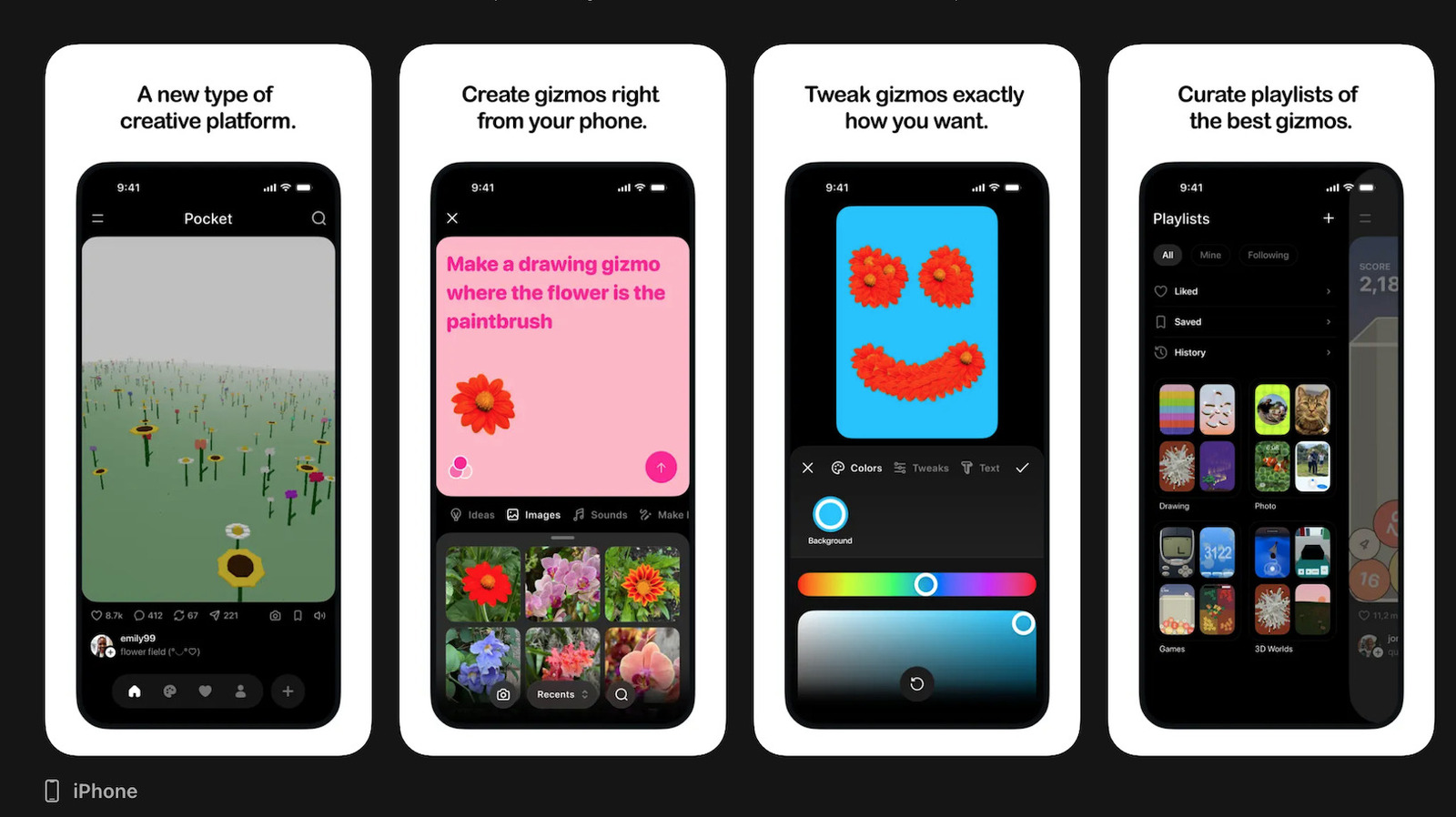
Meta Launches Pocket AI Minigame Creator
Meta has made Pocket, its generative AI minigame creation app, available in the US. The company describes it as a platform for making and sharing “gizmos.”
10 results on this page
Meta has made Pocket, its generative AI minigame creation app, available in the US. The company describes it as a platform for making and sharing “gizmos.”

Generative video in China is shifting from impressive demonstrations to routine use in advertising, e-commerce, and internal content previews. The trend suggests that practical production workflows are gaining traction while at least one prominent overseas consumer experiment is being withdrawn.
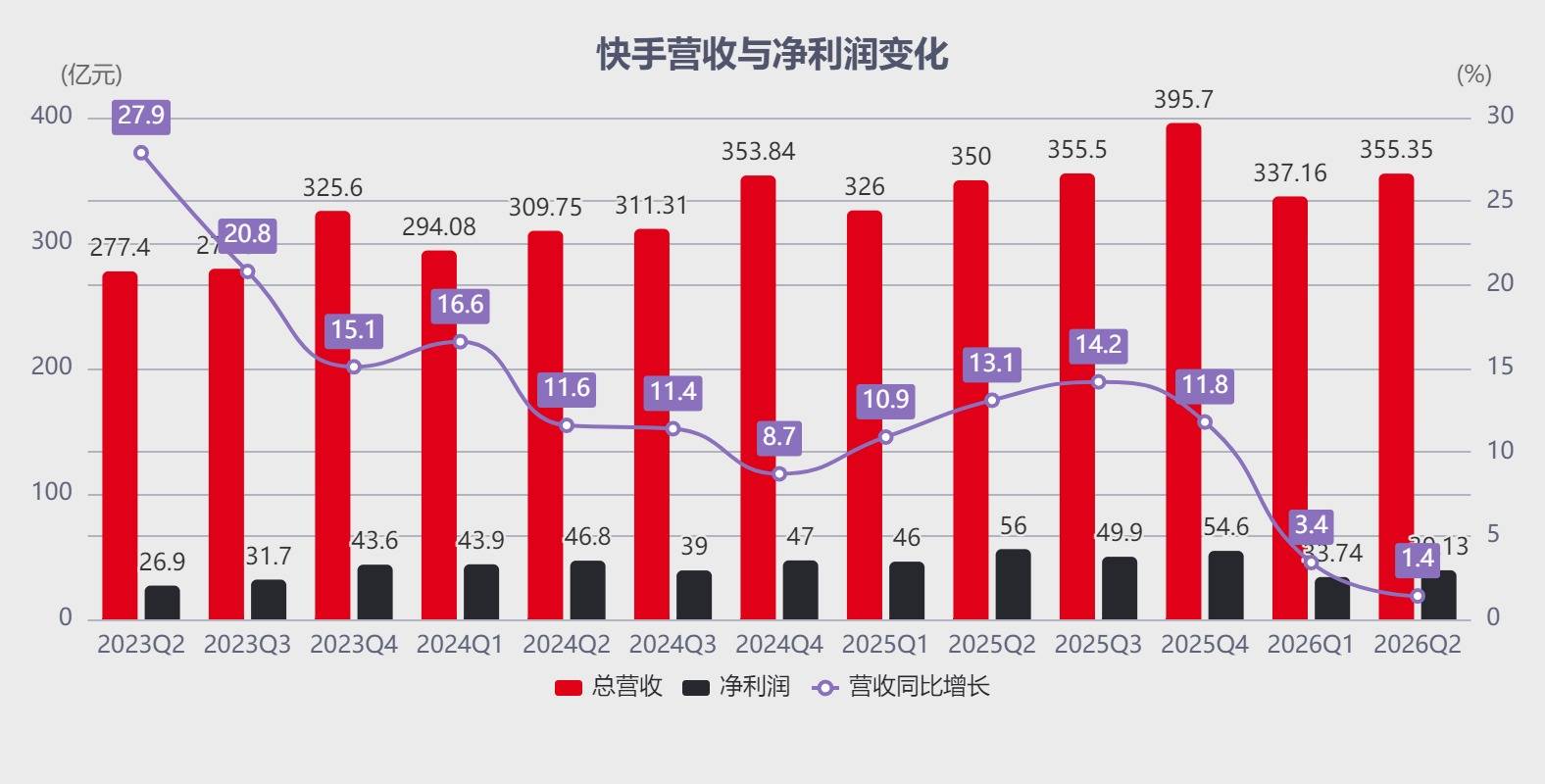
Kling AI generated more than RMB 850 million in Q2 revenue, up 240% year over year, making it the standout growth driver in Kuaishou’s otherwise slowing business. Kuaishou is prioritizing AI investment, spinning Kling AI out for independent financing at an implied valuation of US$18 billion despite near-term profit pressure.

Slack is launching Slack Code, a dedicated channel experience for teams to collaborate with AI coding agents. Users can tag agents such as Anthropic’s Claude or Cognition’s Devin, compare code changes, and preview HTML output within project-specific channels.

The US Department of Justice has intervened in support of xAI's challenge to a Minnesota law banning AI nudification tools. A federal judge heard arguments and said a ruling on xAI's request for a preliminary injunction would come soon.

Google reportedly bid $10 million for Spirit Airlines’ internal enterprise data, including approximately 100 million emails and 500 million Microsoft Teams messages, in a bankruptcy asset auction. The deal signals the emergence of a market for acquiring sanitized corporate communications and work records to train AI systems and enterprise agents.
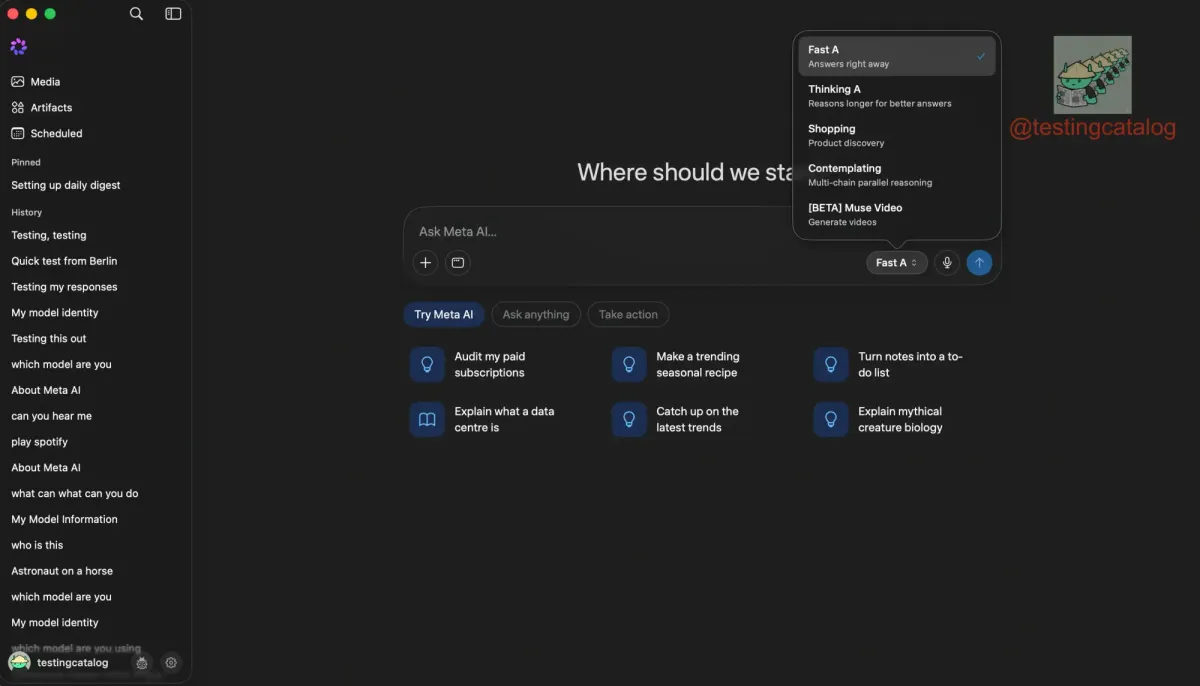
Meta’s Muse Video model has entered a closed beta, with early tests highlighting native audio generation. The model reportedly produces 10-second videos with strong visual detail and temporal consistency.
OpenAI said it will enhance safety processes for paying users who access its most advanced AI models. The move responds to customers using AI for increasingly complex tasks and handling more sensitive information.

OpenAI has slowed parts of its AI development to strengthen security and safeguards. The company paused reinforcement-learning training for two weeks on its latest deployment-focused models and delayed its largest planned frontier RL run.
OpenAI has introduced a monitoring system for its riskiest AI work and says it adds about 20% to the compute cost of covered workloads. The company also paused some frontier training for two weeks as part of the changes.