⚙️
CXMT Listing Fuels China’s AI Hardware Momentum
CXMT Corp.’s breakout listing has boosted optimism across China’s domestic AI hardware sector. The momentum supports China’s broader ambition to compete with the US in AI development.
10 results on this page
CXMT Corp.’s breakout listing has boosted optimism across China’s domestic AI hardware sector. The momentum supports China’s broader ambition to compete with the US in AI development.
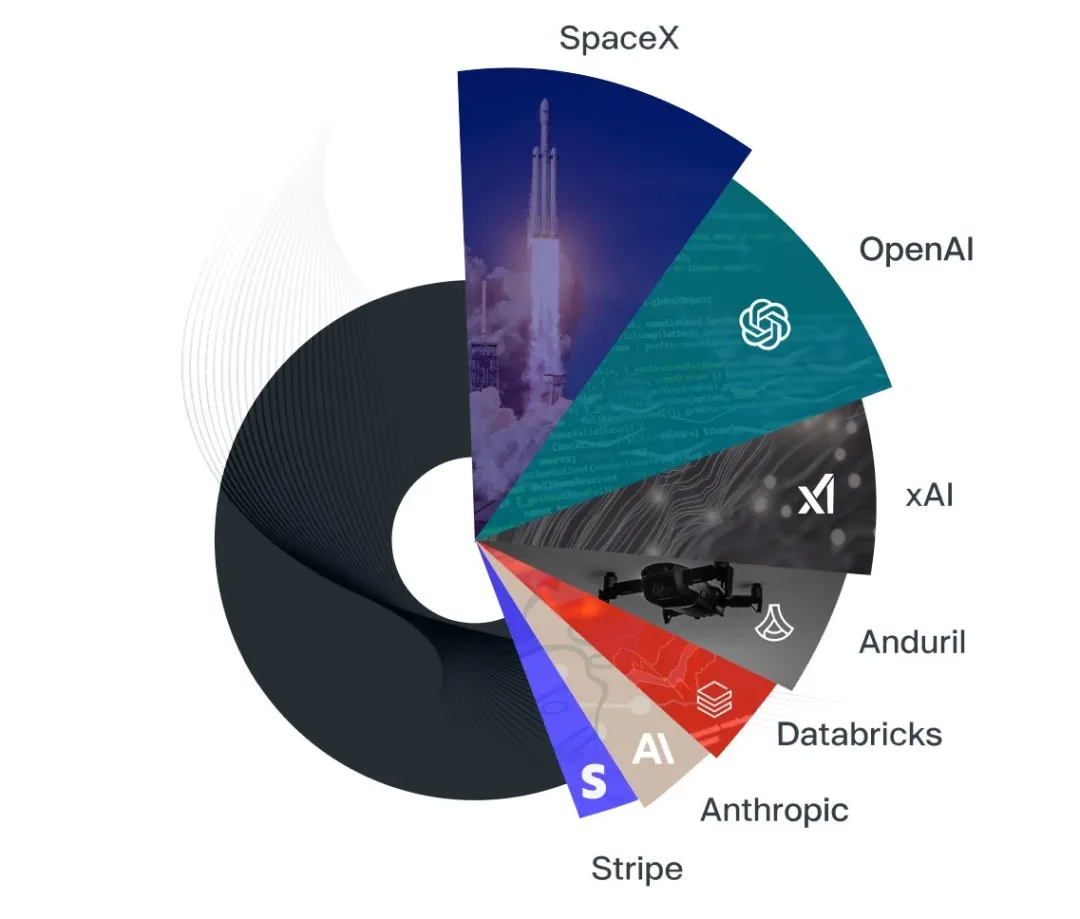
Anduril Industries reportedly completed a $5 billion Series H financing at a $61 billion valuation, reinforcing its position as a major defense-technology company. The article highlights its Lattice AI platform, flexible Arsenal-1 manufacturing system, and Palmer Luckey’s view that China’s engineering and manufacturing efficiency could reshape future military competition.

UBTECH’s Walker embodied intelligence foundation model has completed China’s generative AI service filing. The milestone places the model among the first services to complete this regulatory process.
Investor Duan Yongping bought back 301,400 Alibaba shares worth about $28.93 million, representing only 0.15% of his portfolio. The small position suggests renewed observation rather than strong conviction, especially as Alibaba explores AI cooperation with Apple while PDD Holdings receives a much larger allocation.
Alibaba Group reported a 9% revenue increase as growing AI development in China boosted demand for computing capacity from its cloud business. The results highlight how AI infrastructure demand is supporting Alibaba’s broader growth.
China is increasingly deploying supernodes—clusters of dozens or hundreds of chips and supporting hardware—to scale AI computing. By combining larger quantities of domestic chips, these systems aim to deliver competitive performance despite US export restrictions on advanced AI chips.
ByteDance robotics leader Kong Tao reportedly joined Xiaomi last summer and brought his entire team with him. The move has fueled speculation about a major Xiaomi robotics initiative, but no specific product or launch has been confirmed.
New releases from Chinese competitors are narrowing the gap with Silicon Valley’s AI products, including ChatGPT and Gemini. Lower pricing is helping these services gain market share, alongside offerings such as DeepSeek and Kimi agents.
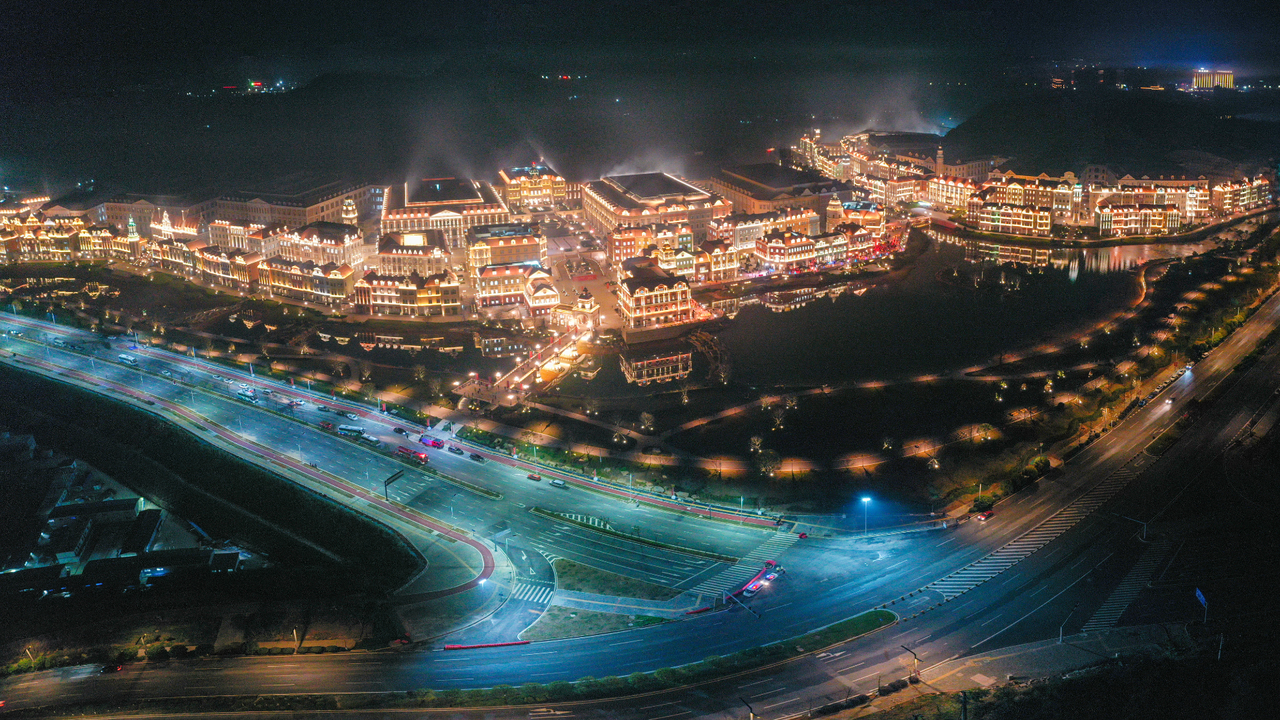
Chinese technology companies are building large AI data center complexes in rural provinces to use surplus land and energy. Huawei and Tencent are reportedly developing infrastructure in Guizhou under China's “Eastern Data, Western Computing” strategy.
Blockbuster debuts by two technology companies show Beijing encouraging its tech champions to raise money from domestic investors. The strategy aims to finance China’s artificial intelligence ambitions while reducing dependence on Wall Street.