📱Engadget•最新收集於 50m
解析 Google Maps 的綠色葉子圖示意義
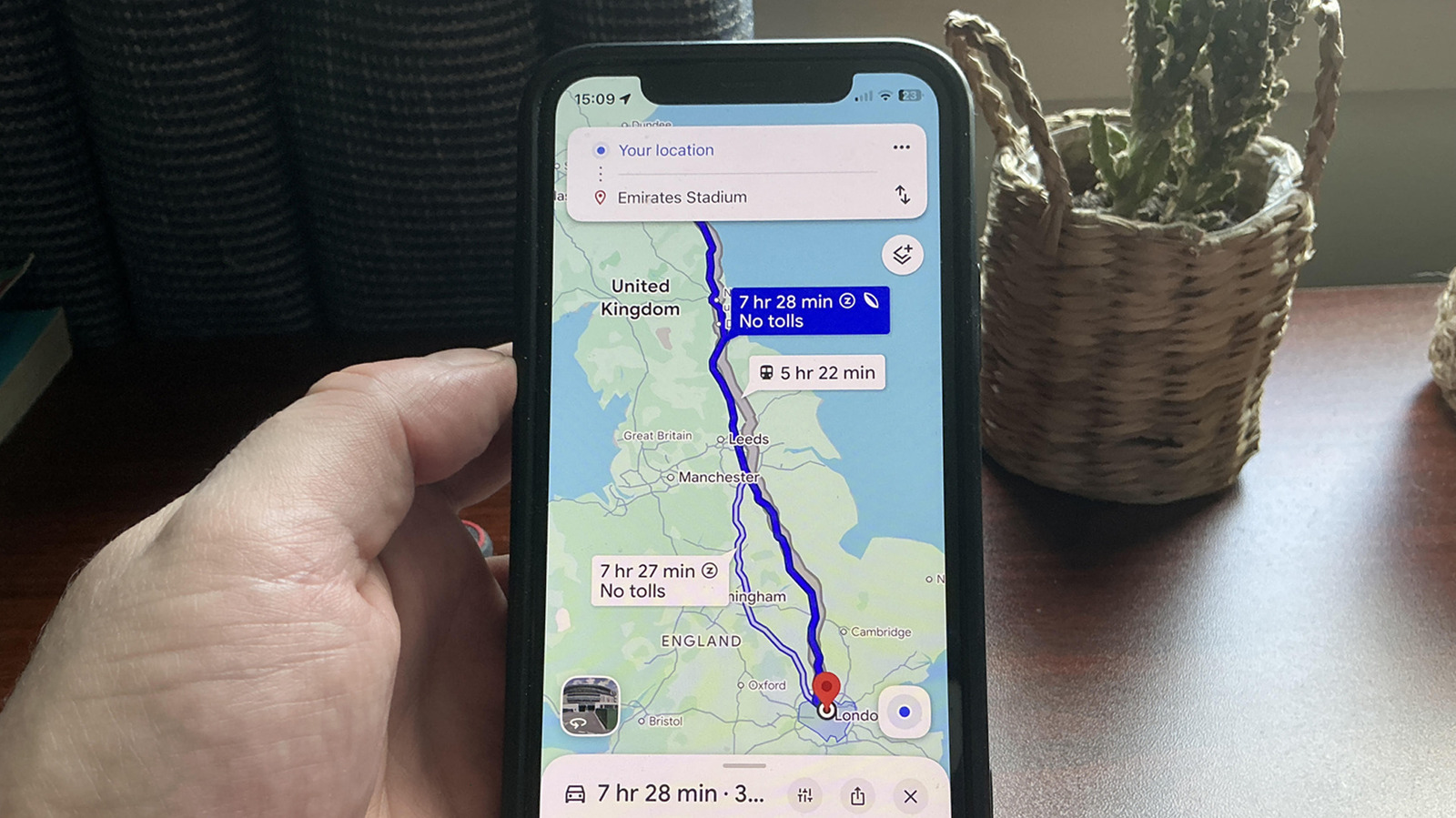
💡了解 Google 如何應用 AI 大規模優化現實世界的導航路徑以提升燃油效率。
⚡ 30-Second TL;DR
有什麼變化
葉子圖示代表針對燃油效率進行優化的路線
為什麼重要
此功能展示了 AI 在物流與消費者導航領域的實際應用,有助於減少碳足跡。
下一步行動
探索 Google Maps Platform Routes API,看看是否能將類似的燃油效率指標整合到您自己的物流應用程式中。
誰應關注:Developers & AI Engineers
關鍵要點
- •葉子圖示代表針對燃油效率進行優化的路線
- •路由引擎利用 AI 分析交通、道路坡度和速度模式
- •用戶可在應用程式偏好設定中切換環保導航功能
🧠 深度解析
AI-generated analysis for this event.
🔑 增強重點摘要
- •Google Maps 的環保路線功能整合了美國國家再生能源實驗室(NREL)的數據,以精確估算不同車輛類型的能源消耗。
- •該系統會根據用戶設定的引擎類型(如汽油、柴油、混合動力或電動車)動態調整路由建議,因為不同動力系統在不同路況下的效率表現迥異。
- •除了燃油效率,該功能還會考慮車輛在特定路線上的碳排放量,旨在協助用戶達成個人減碳目標。
- •環保路線不僅僅是尋找最短路徑,它會主動避開頻繁啟停的交通路段,以減少車輛在低速行駛時的能源浪費。
- •此功能已擴展至支援多種交通工具與物流規劃,並與 Google 的雲端運算平台結合,能即時處理大規模的交通流量數據以優化路徑。
📊 競品分析▸ Show
| 功能/特性 | Google Maps (環保路線) | Apple Maps | Waze |
|---|---|---|---|
| 環保導航 | 支援 (基於引擎類型) | 尚未整合專屬環保路由 | 尚未整合專屬環保路由 |
| 數據來源 | NREL 與 AI 交通模型 | 蘋果自有地圖數據 | 社群回報與即時交通 |
| 價格 | 免費 | 免費 | 免費 |
| 核心優勢 | 深度能源效率分析 | 隱私保護與系統整合 | 即時路況與社群互動 |
🛠️ 技術深入
- 路由引擎核心:採用基於圖論(Graph Theory)的演算法,並結合深度學習模型預測路段的即時能耗。
- 數據輸入層:整合即時交通流量(Traffic Flow)、道路坡度(Road Grade)、限速(Speed Limits)及歷史交通模式。
- 引擎類型參數化:系統針對不同動力系統(ICE, HEV, PHEV, BEV)建立能耗模型,利用車輛動力學公式計算特定路徑的預期消耗。
- 雲端運算架構:利用 Google Cloud 的大規模平行處理能力,在毫秒級時間內完成多路徑的能耗比較與排序。
🔮 前景展望AI analysis grounded in cited sources
環保導航將成為車載資訊娛樂系統的標準配置。
隨著全球碳排放法規趨嚴,車廠將更依賴整合此類能耗優化數據以提升車輛的整體環保評級。
Google 將進一步整合即時充電站狀態與環保路由。
針對電動車用戶,將能耗預測與充電基礎設施的可用性結合,能有效緩解里程焦慮並提升能源使用效率。
⏳ 時間線
2021-10
Google Maps 在美國正式推出環保路線功能。
2022-09
環保路線功能擴展至歐洲多個國家。
2023-06
Google Maps 引入引擎類型選擇功能,提升能耗計算精準度。
2024-02
環保導航功能進一步整合至 Google Maps API,開放給第三方開發者使用。
📰
AI 週報
閱讀本週精選 AI 大事摘要 →
👉相關動態


AI 策展新聞聚合。所有內容版權歸原始發布者所有。
原始來源: Engadget ↗