來源Ars Technica•較早收集於 28m
烏克蘭部署全自動 AI 戰鬥無人機
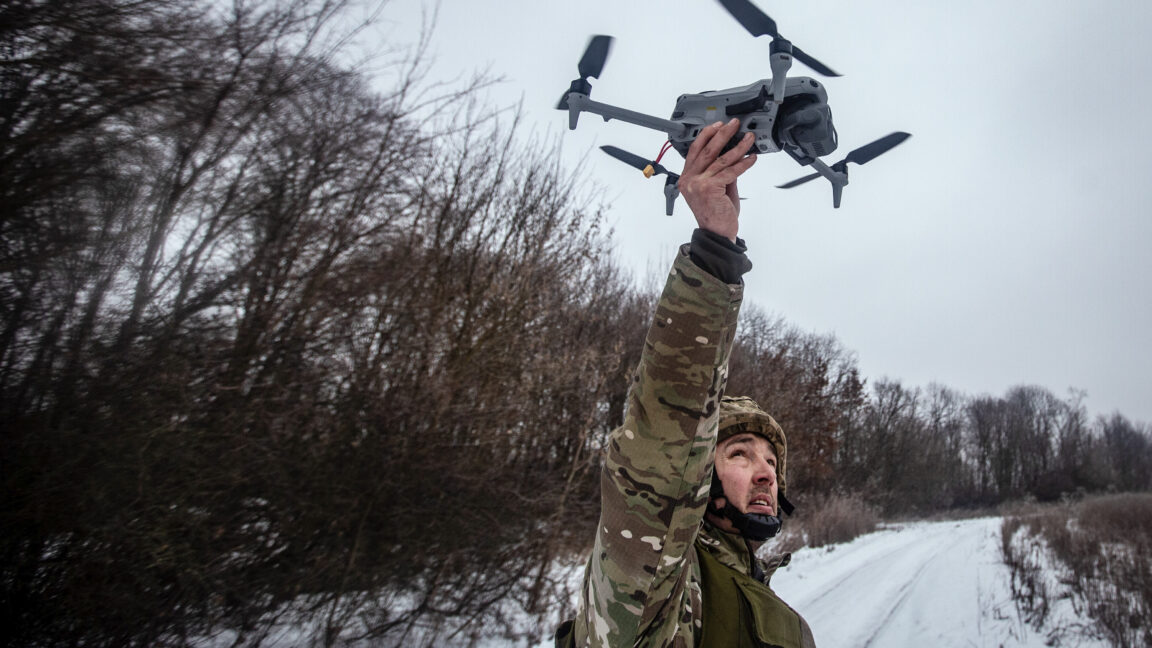
💡深入了解全自動 AI 在高風險戰鬥環境中的實際部署情況。
⚡ 30 秒速覽
有什麼變化
烏克蘭已在實戰場景中成功測試全自動無人機。
為什麼重要
在高度敏感環境中整合邊緣 AI,證明了在爭議區域進行自主決策的可行性。這將可能加速全球在邊緣運算視覺與導航系統的研發進程。
下一步行動
研究如 OpenCV 或 TensorRT 等邊緣視覺框架,以在資源受限環境中實現低延遲的離線物件偵測。
誰應關注:Developers & AI Engineers
關鍵要點
- •烏克蘭已在實戰場景中成功測試全自動無人機。
- •軍方正積極將 AI 模組安裝於各類機器人平台。
- •此發展標誌著自主武器系統與邊緣 AI 部署的重大演進。
🧠 深度解析
背景與延伸:來自公開資料,非原文內容。引用 15 個來源。
🔑 增強重點摘要
- •Ukraine's AI-enabled mid-range drones are designed to autonomously bypass Russian air defenses, identify and engage targets, and distinguish decoys, primarily to disrupt Russian logistics and supply lines up to 150 kilometers behind the front lines.
- •The Ukrainian military's long-term strategic objective is to replace human warfighters in direct combat with autonomous unmanned systems to conserve limited human forces and overcome vulnerabilities like fatigue and stress.
- •Ukraine has developed and deployed autonomous interceptor drones, such as the LITAVR, capable of independently tracking and engaging Russian Shahed-type UAVs, automating up to 95% of the interception cycle to provide a cost-effective air defense solution.
- •Ukraine has significantly scaled its domestic drone production, manufacturing an estimated 4 million robotic and autonomous systems in 2025 and projecting 5-6 million in 2026, which has been a key factor in reversing Russian gains and expanding strike ranges.
- •Ukraine has established an online portal providing allied governments and defense companies direct access to over 2 million hours of combat drone footage, aiming to share battlefield data to accelerate the development of advanced autonomous weapons for its own forces and allies.
🛠️ 技術深入
- AI Navigation and Target Recognition: Ukrainian AI-enabled drones utilize neural networks and onboard computing systems (e.g., Nvidia Jetson Orin AI computers) to process real-time imagery from optical cameras.
- GPS-Denied Operations: These systems employ visual navigation through terrain matching, comparing real-time imagery with preloaded high-resolution satellite data to determine position and maintain course even when GPS signals are jammed or spoofed.
- Target Identification and Engagement: Algorithms analyze video feeds to distinguish between silhouettes of military equipment and decoys (based on object geometry, surface characteristics, and engine heat signatures), performing automatic lock-on and adjusting flight paths for precise engagement.
- Modular AI Integration: Ukraine's defense industry is developing standalone AI-driven software modules that can be integrated across various drone and robotic platforms, enabling functions like environmental perception, target recognition, and autonomous last-mile navigation.
- Interceptor Drone Autonomy: Systems like the LITAVR feature an automatic terminal guidance system, allowing the drone to independently track and attack a target after initial human designation, equipped with both daytime and thermal imaging cameras.
🔮 前景展望基於引用來源的 AI 分析
The proliferation of fully autonomous combat drones will intensify international efforts to establish legally binding regulations.
The ethical and accountability concerns raised by delegating lethal decision-making to machines are prompting calls from the UN and civil society for new international treaties to regulate or ban such systems.
AI-powered autonomous drones will fundamentally reshape military logistics and supply chain targeting as a primary combat strategy.
Ukraine's successful use of these drones to disrupt Russian logistics, including fuel depots and transport routes, demonstrates their effectiveness in creating a 'logistics lockdown' far behind front lines.
The development of low-cost, autonomous interceptor drones will become a standard component of future air defense strategies.
Ukraine's innovation in creating autonomous interceptors to counter mass attacks by inexpensive enemy drones addresses the cost imbalance of traditional air defense systems, making such solutions attractive for broader adoption.
⏳ 時間線
2023-07
Brave1 platform established to support defense-tech innovation, fostering AI drone development.
2024-08
Ukraine announced the Palianytsia rocket-drone, a long-range strike capability.
2024-Fall
Development of Ukraine's LITAVR interceptor drone began, aiming for autonomous interception capabilities.
2025-Fall
Serial deliveries of LITAVR interceptor drones to the Ukrainian military commenced.
2026-03
Ukraine launched an online portal providing allied governments and defense companies direct access to combat drone footage to aid in developing autonomous weapons.
2026-06
Ukraine's Ministry of Defense detailed how AI-enabled mid-range drones are actively disrupting Russian logistics by autonomously bypassing air defenses and identifying targets.
📎 來源 (15)
Factual claims are grounded in the sources below. Forward-looking analysis is AI-generated interpretation.
📰
AI 週報
閱讀本週精選 AI 大事摘要 →
👉相關動態
AI 策展新聞聚合。所有內容版權歸原始發布者所有。
原始來源: Ars Technica ↗
每週電子報
每週一封,可隨時退訂。